

Written by Kathleen Ellis
New point and shoot film cameras having been popping up over the last few years, and, honestly, I want every single one of them. Every new release is just a little more proof film photography is still going strong. Hopefully for a long, long time.
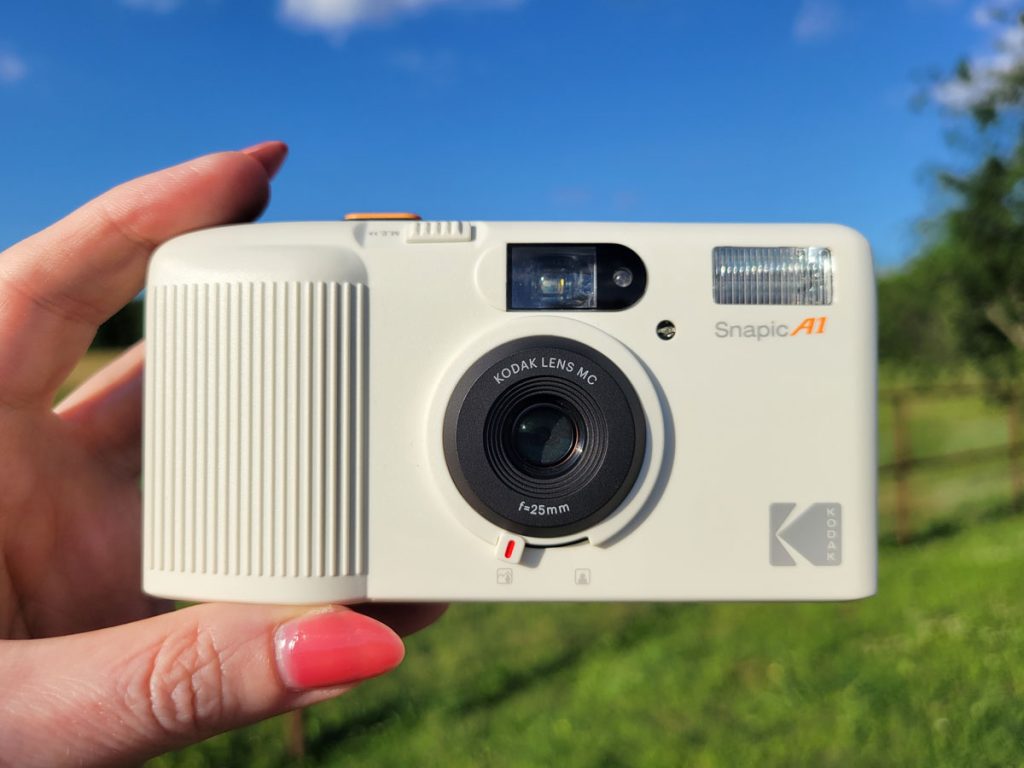
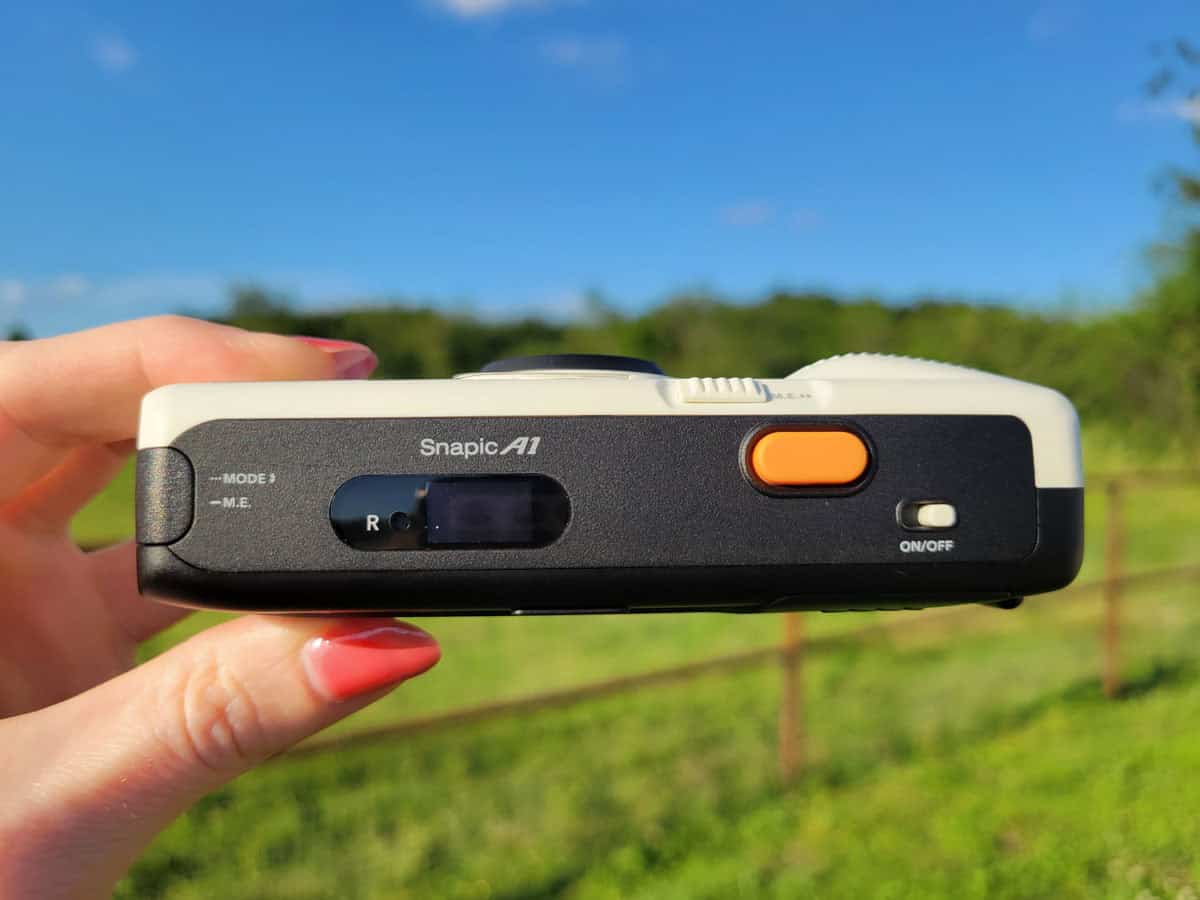
The latest of these point and shoots is the Kodak Snapic A1. Kodak sent me one to test out, and it didn’t take long for me to become a fan. It’s a fun, easy-to-use camera with a few bonus features that quickly turned it into my go-to point and shoot.
Find the Kodak Snapic A1 on Amazon.
Overview of the Kodak Snapic A1
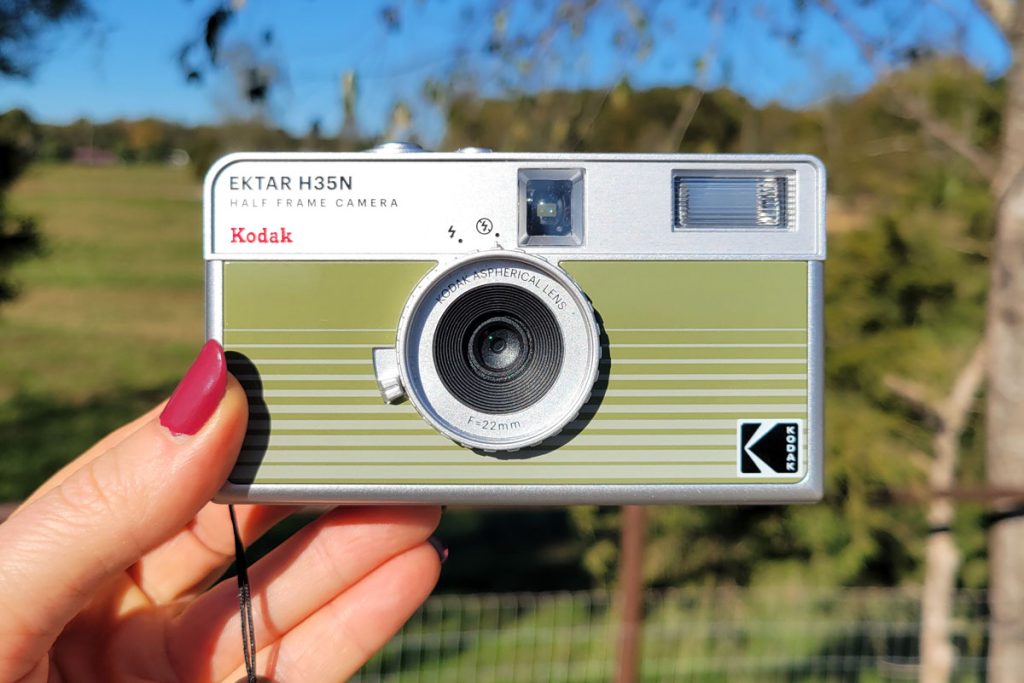
Similar to the Kodak Ektar H35 and Ektar H35N, the Snapic A1 is a 35mm point and shoot film camera developed by RETO, a Brand Licensee of Kodak. While the Ektar H35 cameras are half-frame cameras with 72 frames per roll, the Snapic A1 returns to the standard 35mm format with 36 frames per roll. It also has quite a few features that really sets it apart from other point and shoots in this category.
It has automatic film advance and rewind, multiple flash modes, red-eye reduction, and, of course my favorite, an in-camera double exposure function. Creative features are rare on point and shoots, and I love that Kodak included an easy way to do multiple exposures.
As far as shooting modes, the Snapic has a fixed 25mm f/9.5 lens, a shutter speed of 1/100 second, and a simple two-zone focus system. There is a toggle below the lens to switch between close-up focus distance (0.5–1.5 meters) and far away focus distance (1.5 meters to infinity).
The extra features and the durable build of the camera does show up in the price tag. Currently, the Snapic A1 is selling for right around $100, definitely on the high end of the new point and shoots, most of which can be found for $40-$70.
Specifications
Format: 35mm, 36mm x 24mm frame size
Optical lens: 25mm; 3-element glass lens
Maximum aperture: F9.5
Focusing: manual 2 zone-focus (1.5m-inf., 0.5-1.5m)
Shutter speed: 1/100s
Multiple exposure: Yes, max. 2 exposures
Built-in flash: Yes
Flash mode: Flash on/o, auto flash
Red-eye reduction: Yes
Power supply: 2 AAA batteries
Dimensions: 118(W) x 62(H) x 35(D) mm
Weight: 117g
Related: 12 Best Point and Shoot Film Cameras
Using the Snapic A1
The Kodak Snapic A1 is a surprisingly durable little camera for a point and shoot. It’s made of ABS plastic and has a really solid feel to it. Many of the new point and shoots feel more delicate, more like disposable cameras, But the Snapic does not feel like it’s going to break if I toss it around a bit, and the film door doesn’t immediately feel like it’s going to fall off. It’s lightweight, super comfortable to hold, with a nice and solid feel.
While the Snapic isn’t hard to use, it’s still worth it to go through the Quick Start Guide. The guide was super helpful with figuring out how the double exposure feature worked and the different flash options. It has just enough features and multi-use buttons, that it’s not exactly intuitive without the manual.
Loading film is straightforward, and the camera automatically advances the film between shots. Once a roll is finished, the camera also automatically rewinds the film, making the entire shooting process very beginner-friendly. I was also able to get a couple extra frames out of my roll (38 instead of 36), which is always a fun bonus.
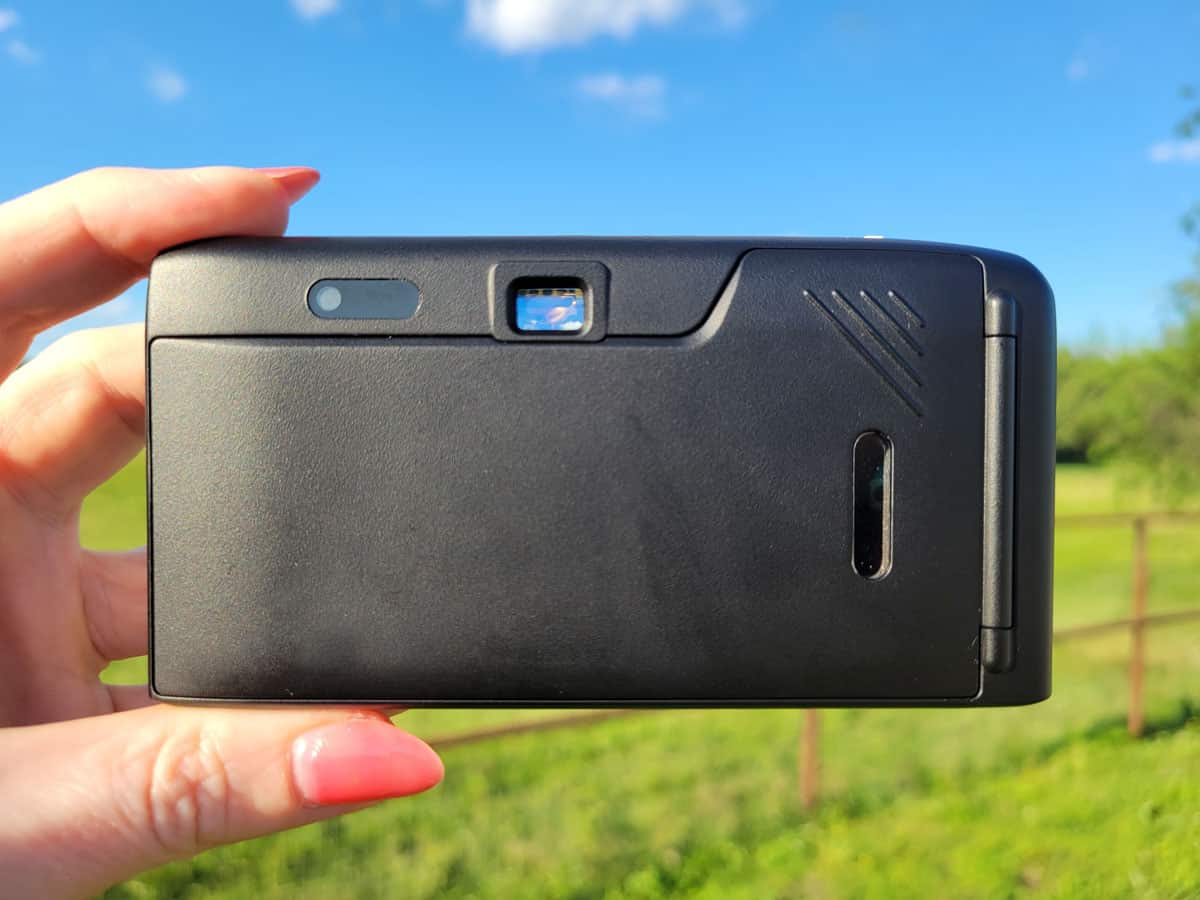
The viewfinder is small, but nice and clear. There is no information displayed in the viewfinder besides the frame lines. It’s also located right above the lens, so you’re not dealing with much parallax error at all.
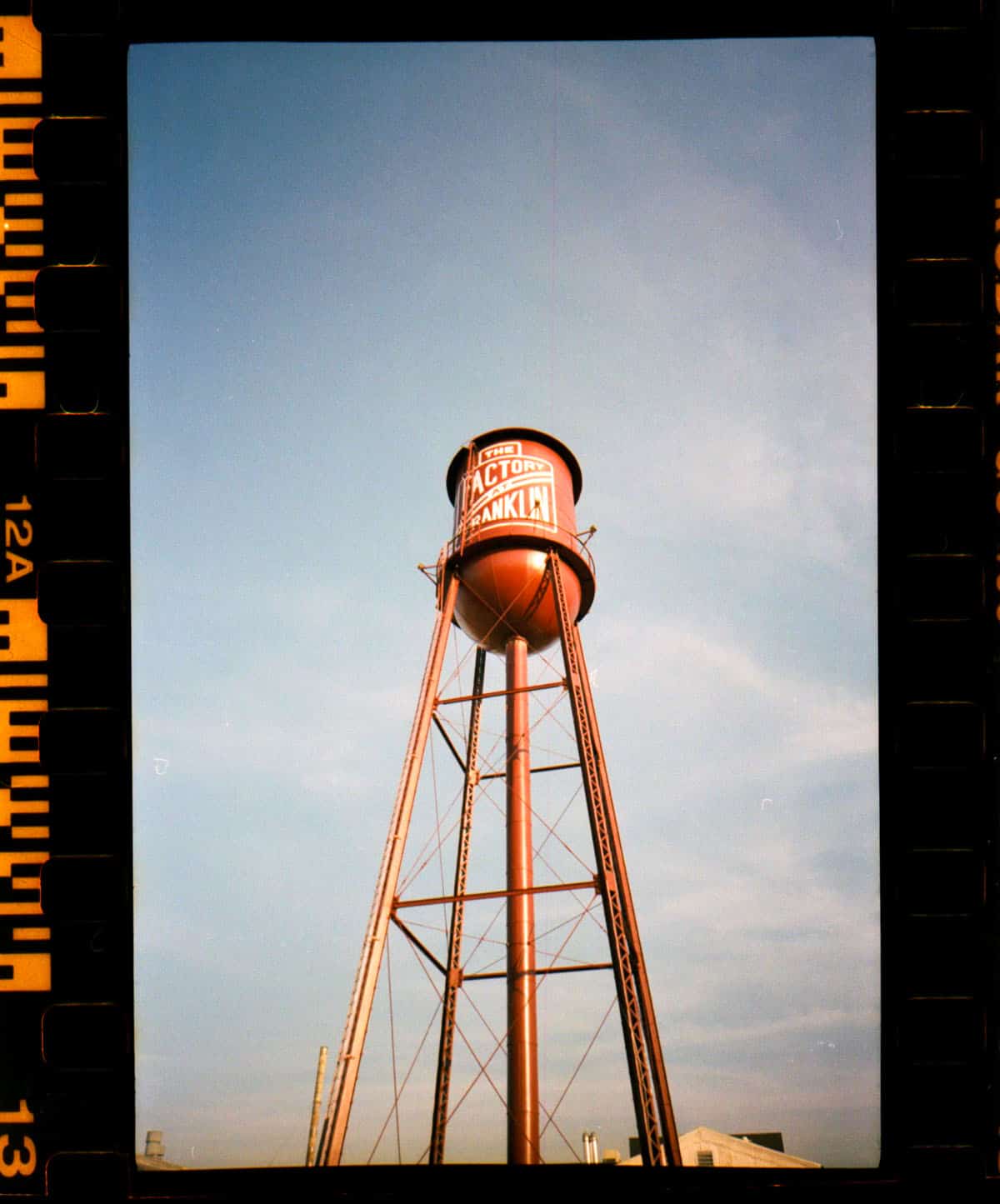
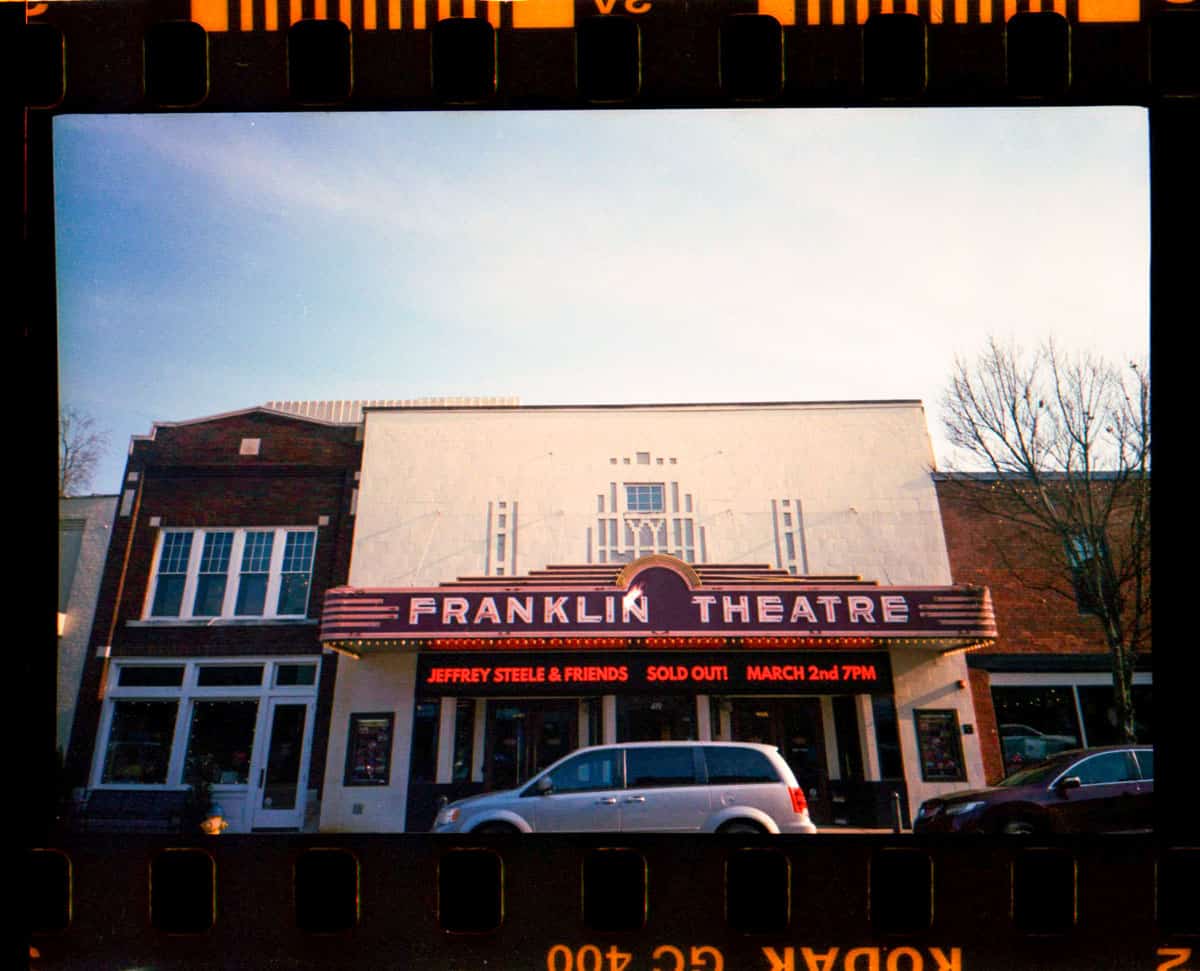
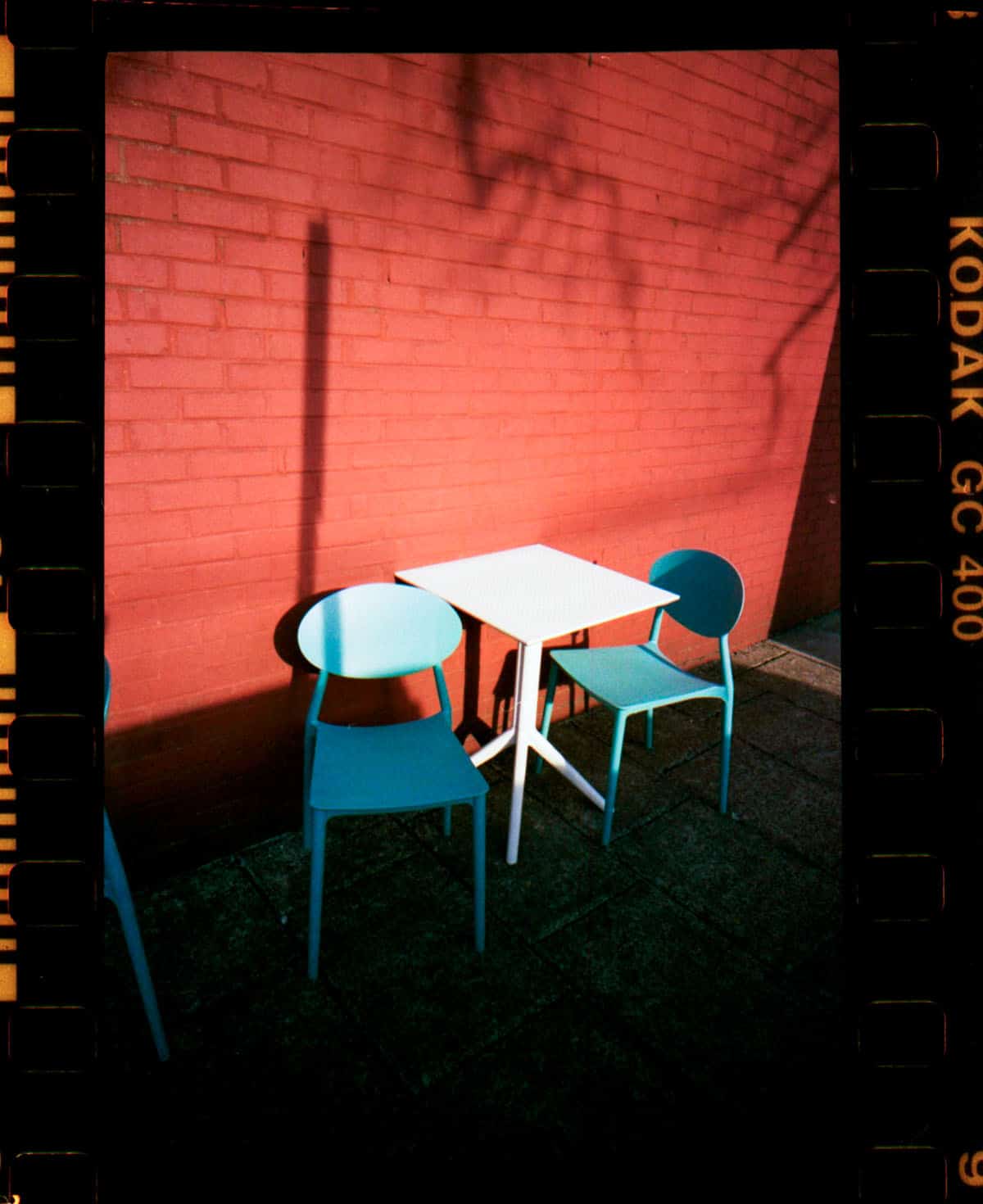
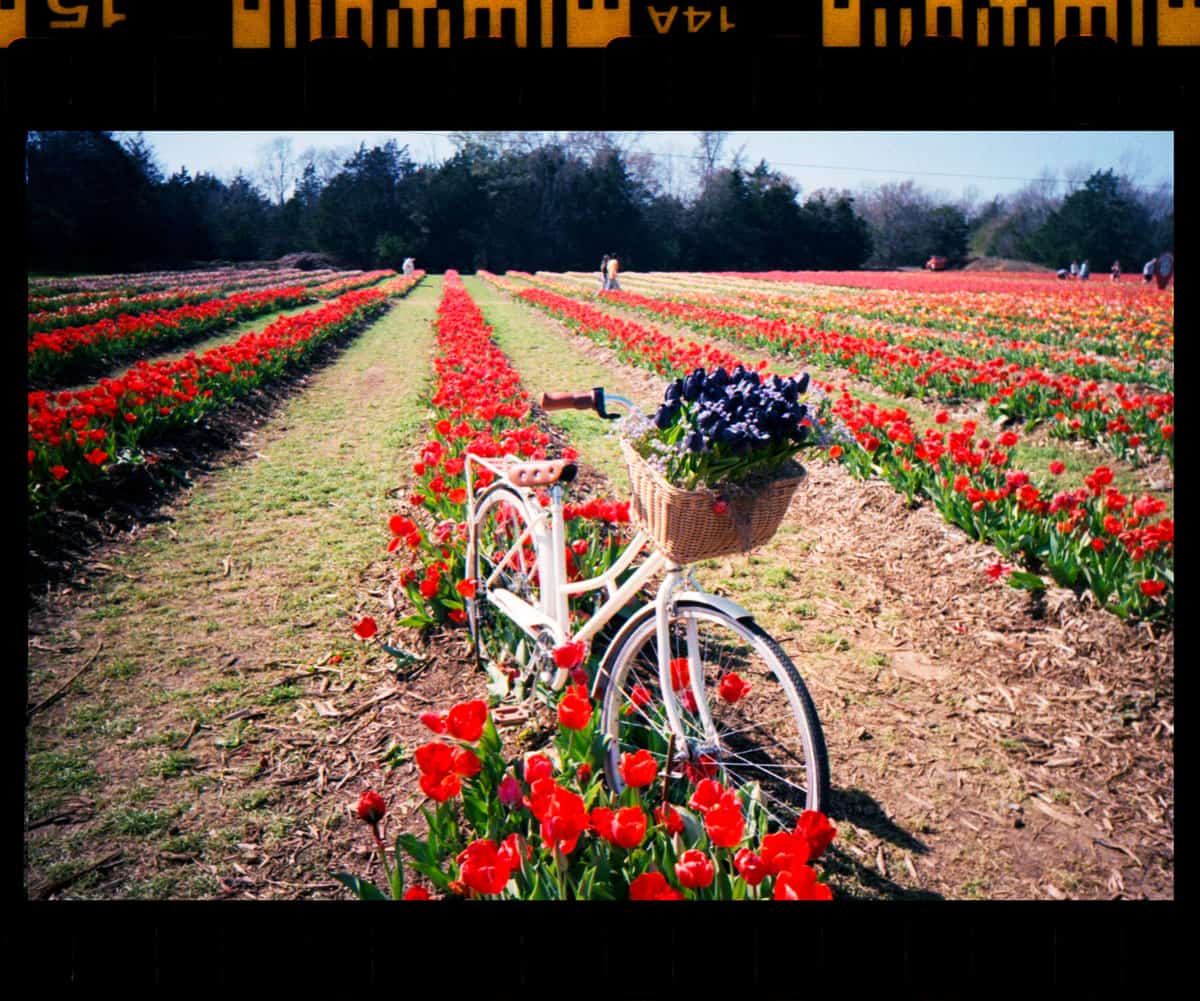
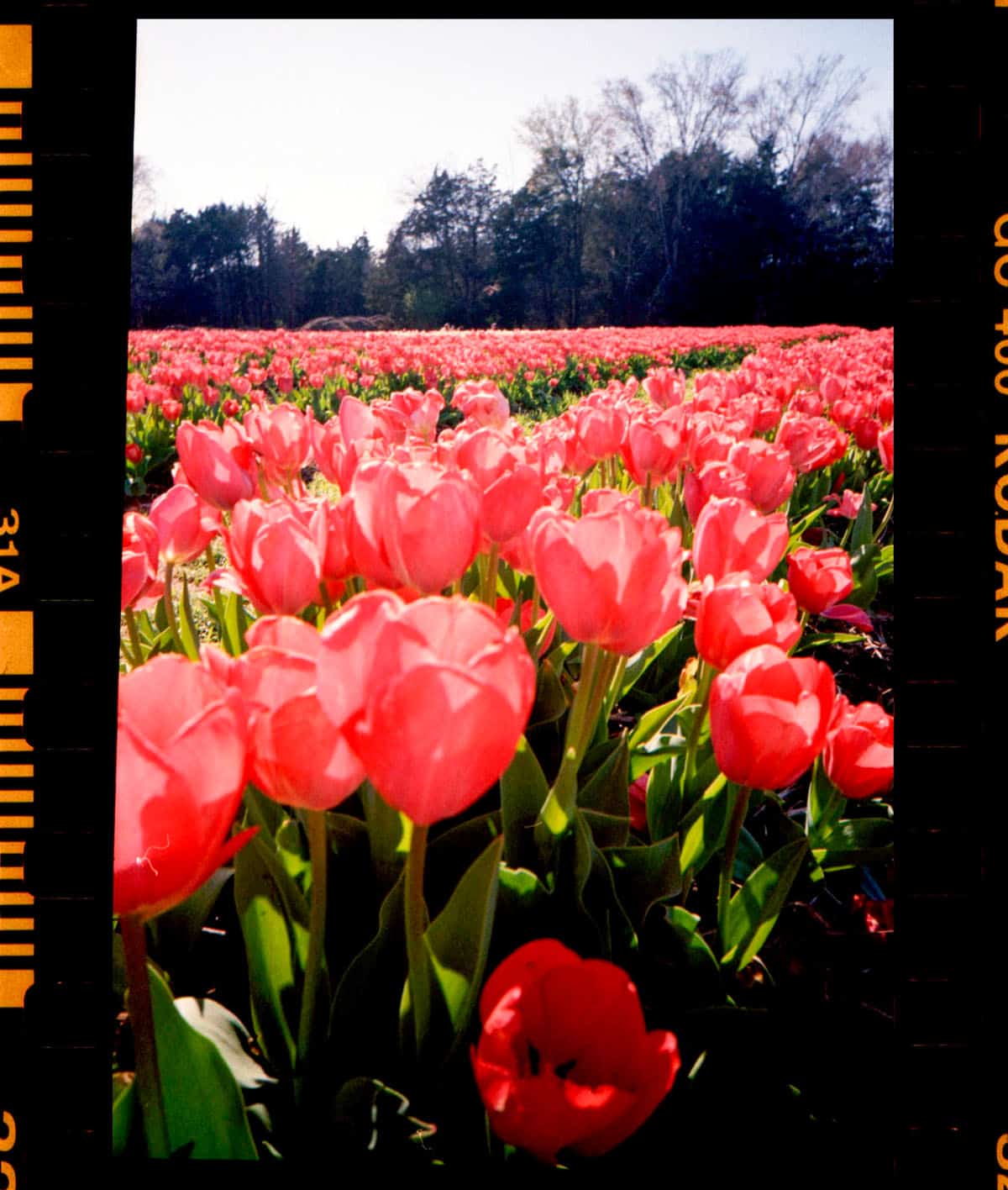
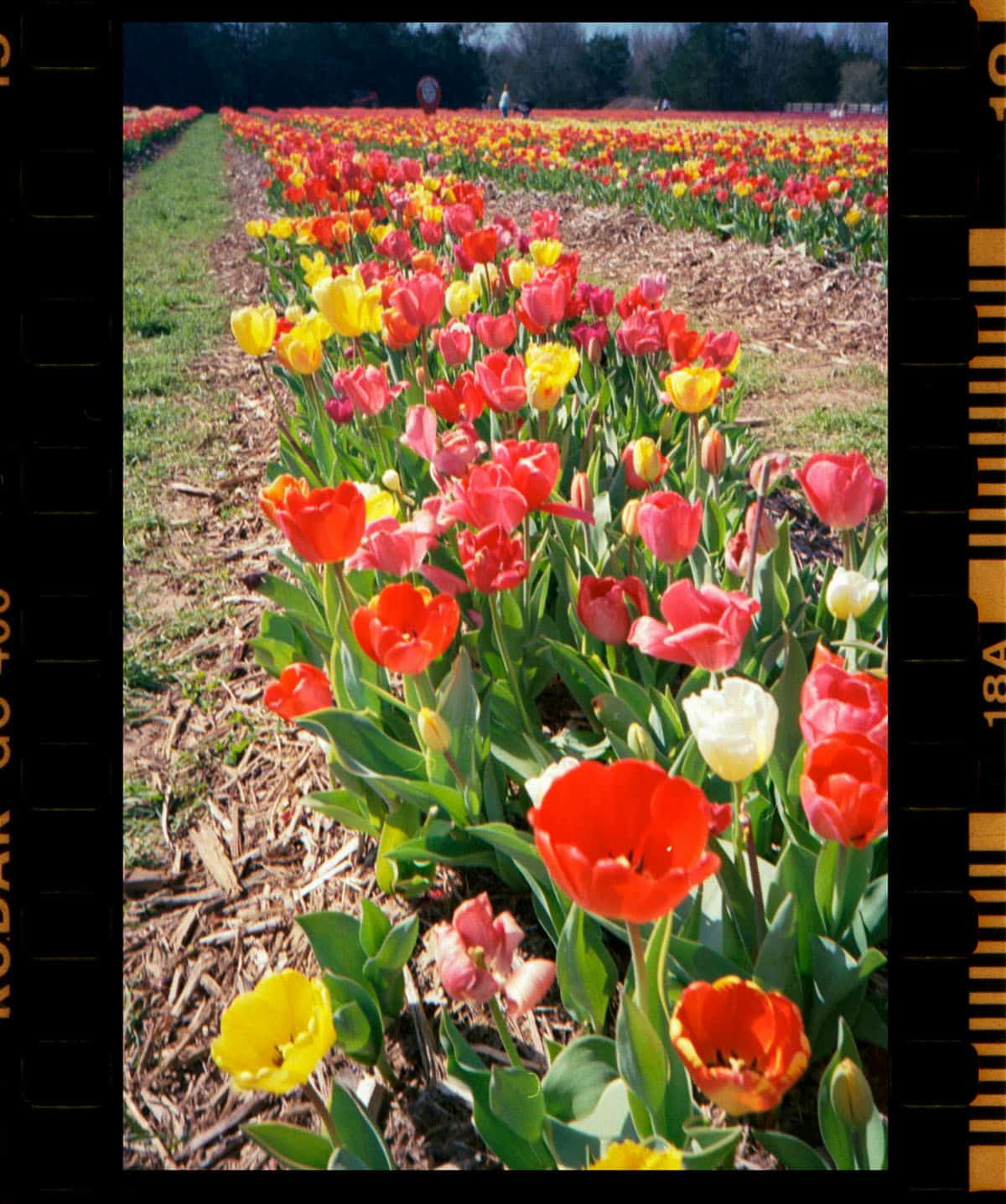
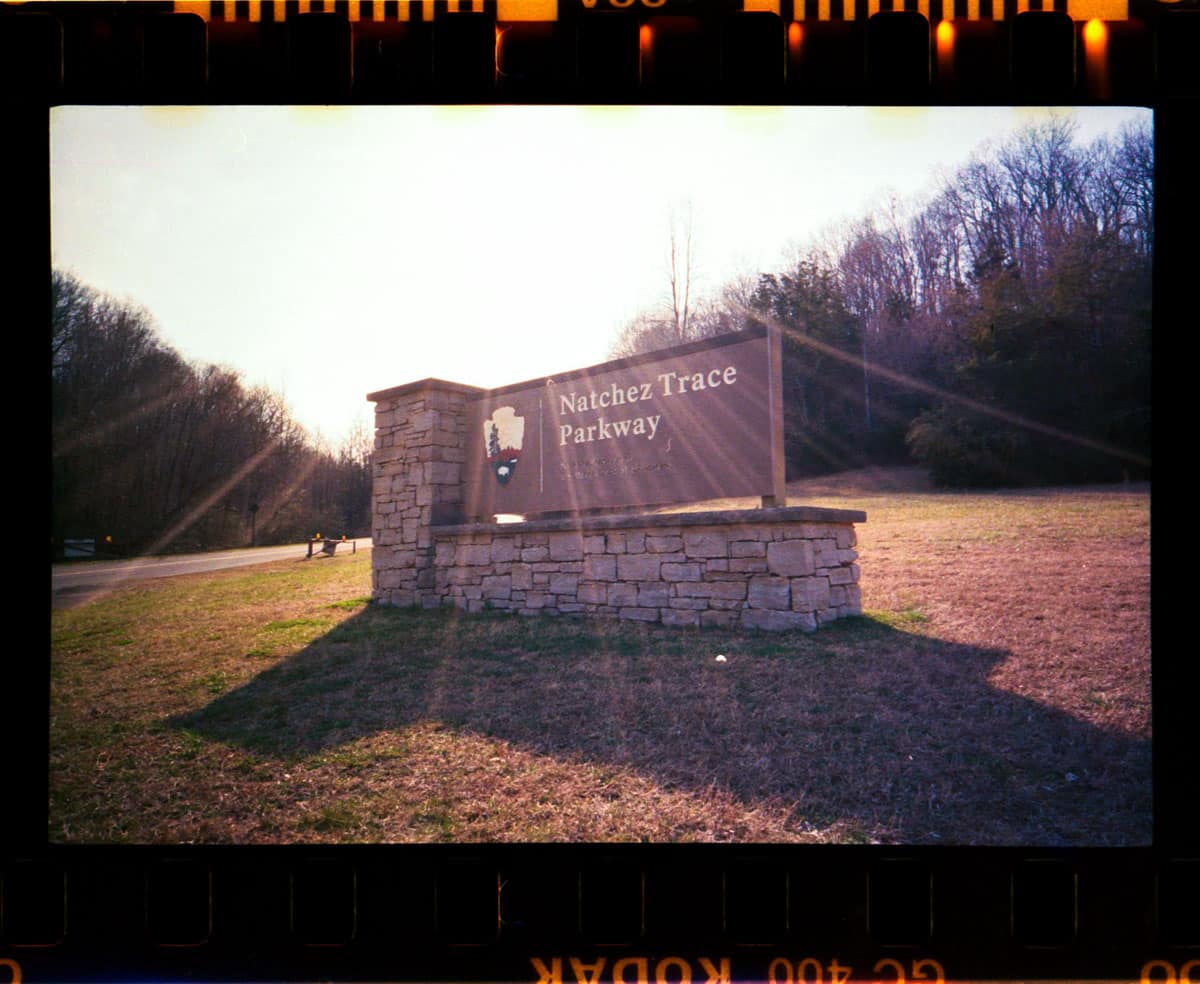
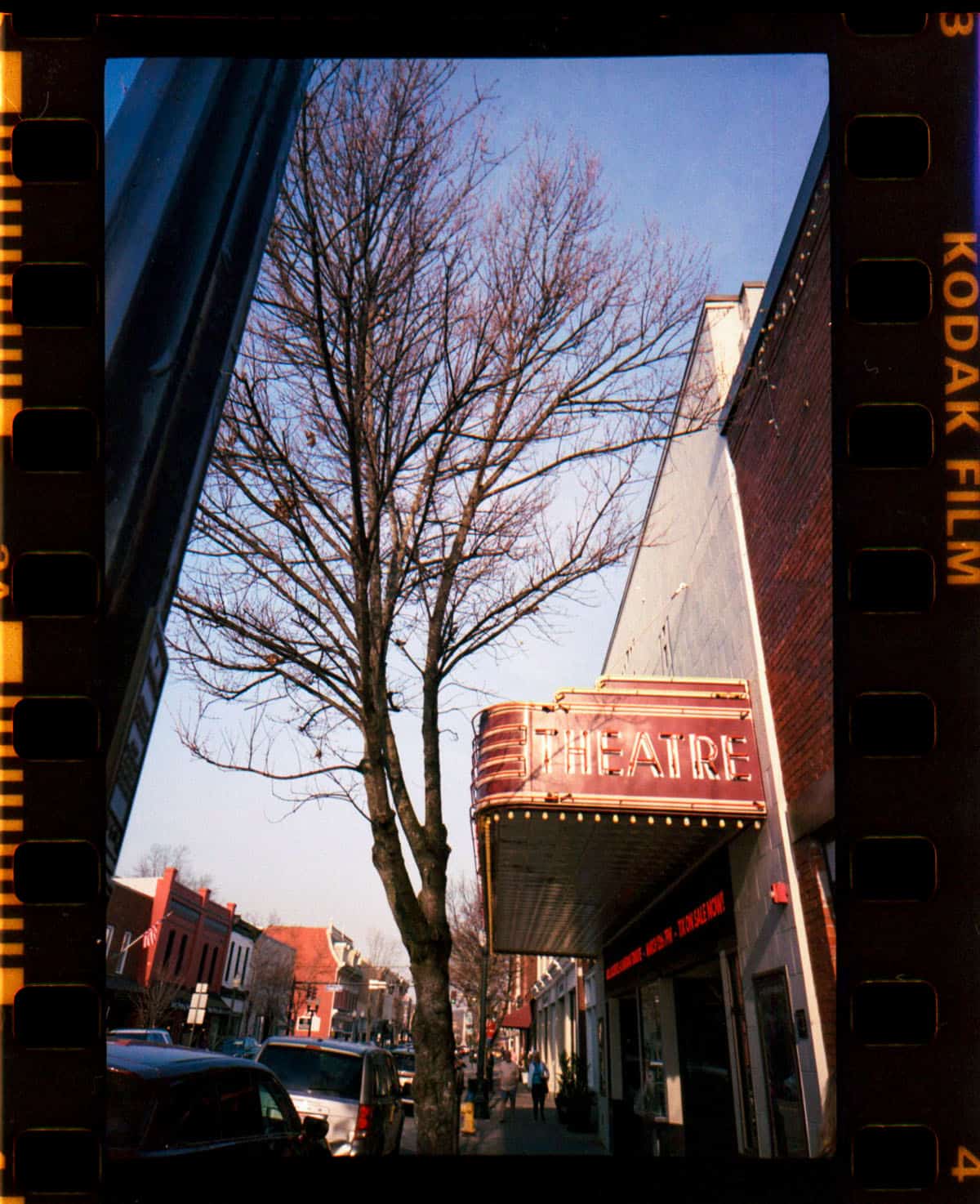
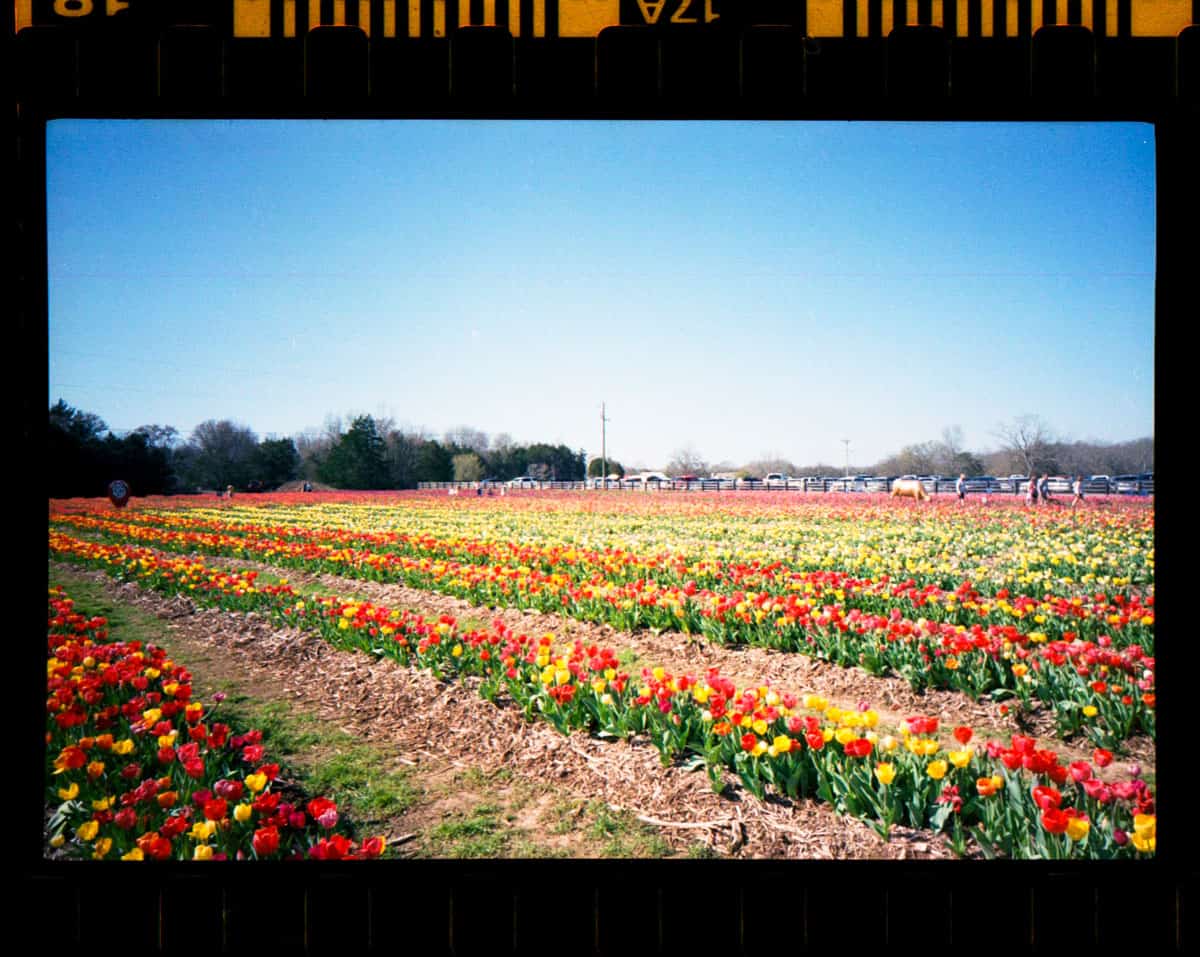
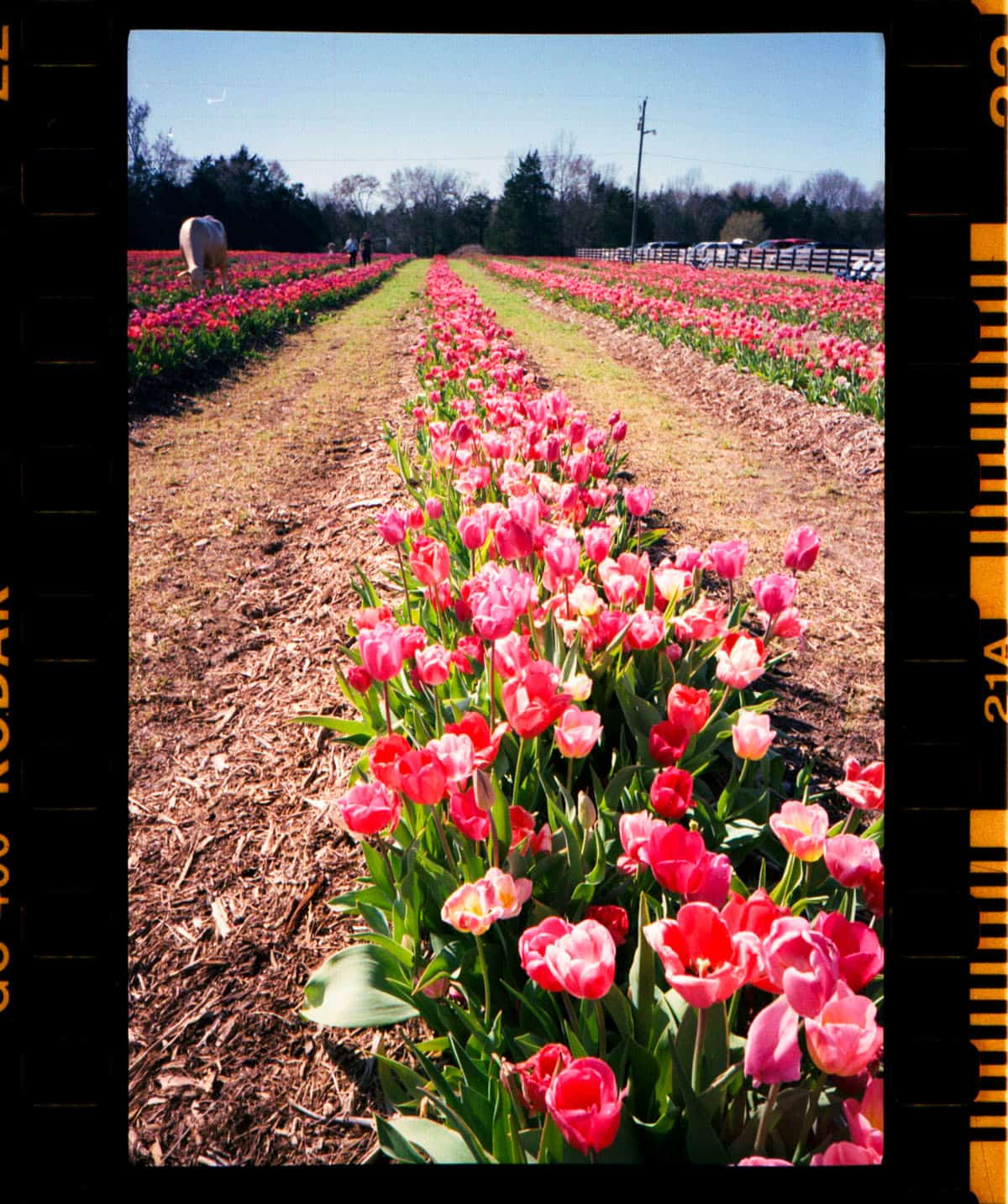
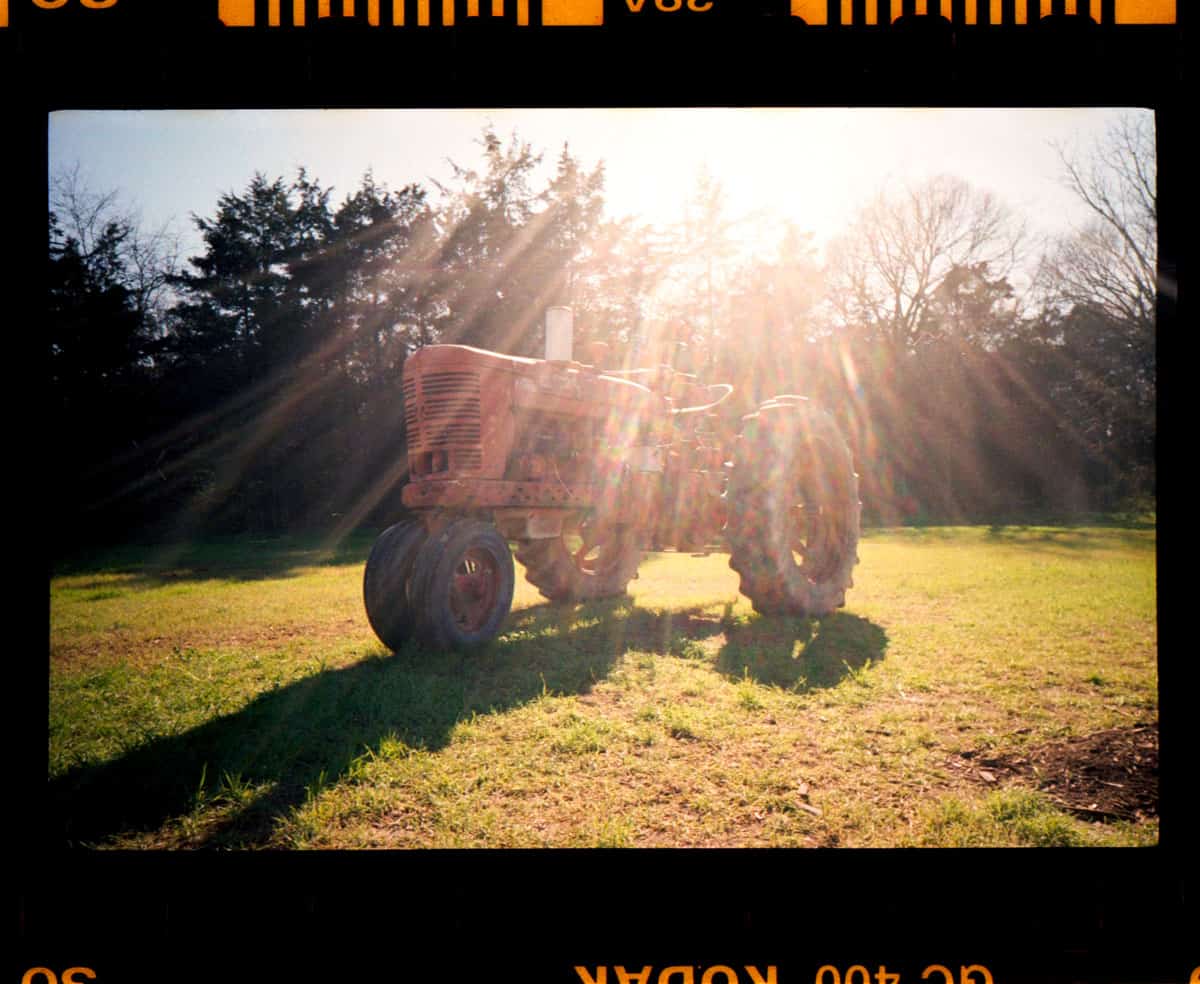
Cameras like these with a fixed lens and shutter speed generally work best on a nice sunny day. Give it all the light you can, and you’ll get some beautifully solid images. If you’re working in low light, it’s probably a better call to go with an SLR or a camera with more exposure control.
Double Exposures
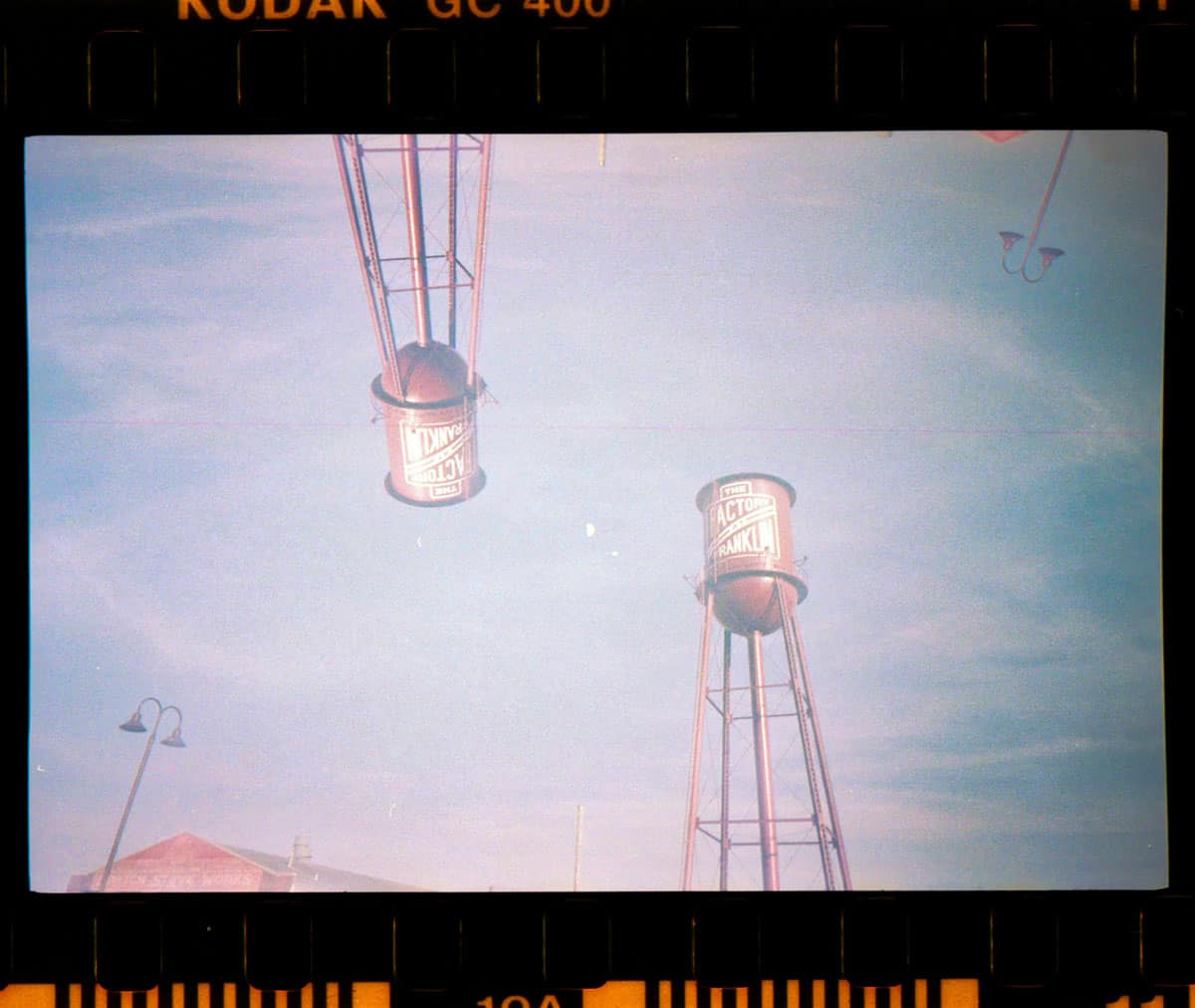
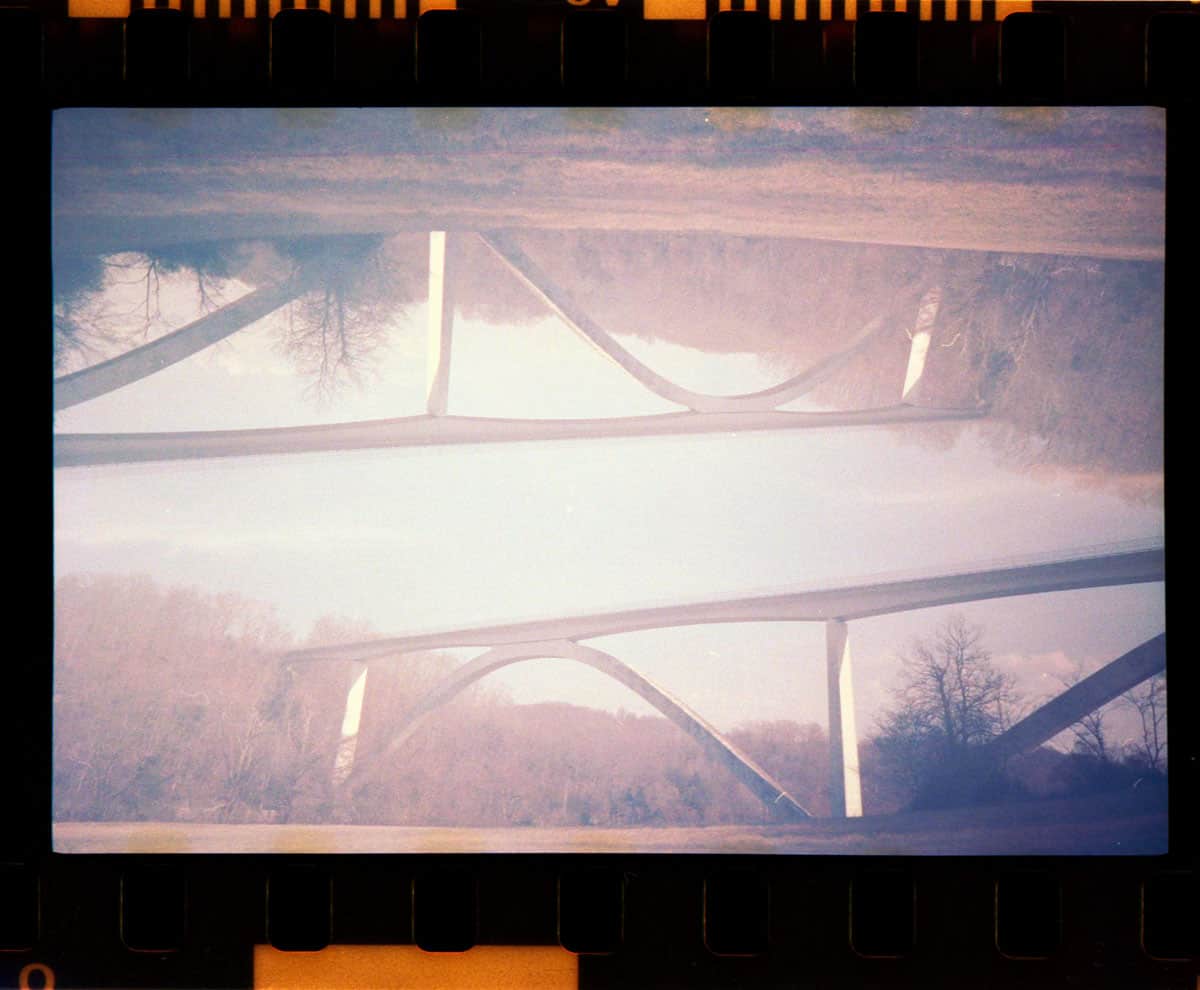
My favorite feature on the Snapic is the double exposure switch. Very few point and shoot cameras let you do multiple exposures, and the fact that this camera has an in-camera option for doubles, made it go right to the top of my list for an everyday camera.
Using the double exposure feature takes a little bit of getting used to. Instead of just one switch that you toggle on and off, it’s a combination of buttons. First, hold the flash button until you see the [1] icon blink on the display, take your first photo, then press the M.E. button, and finish it off by taking the second photo. So not exactly intuitive.
After taking the second photo of your double exposure, the camera will return to regular single exposure mode. So if you’re taking several double exposures in a row, you’ll have to repeat the full process for each photo.
This is also a great camera for blind doubles. Blind double exposures are when you shoot the entire roll of film as normal (with single exposures), and then load the film into the camera again to shoot over the exposed roll, creating an entire roll of double exposures.
When the Snapic auto rewinds the film after you finish the roll, it leaves the leader out, making it super easy to reload the film. Usually, you have to use a tool like this to get the leader out, and it can be a bit tricky. So if you like to do blind doubles or do double exposure film swaps with friends, this camera is good choice.

A Few Notes
Flash Button
The flash button is on the upper left-hand edge of the camera, and it is incredibly easy to accidently press. It sits right where you hold the camera with your left hand. So if you’re using both hands to steady the camera or if you’re holding it in your left hand between shots, you’re going to press that button.
It doesn’t take a lot of pressure to press it, and I accidently turned the flash on several times. It was easy to catch, and I didn’t waste any frames, but it’s definitely a check in the annoying category.
No Lens Cover
The Snapic A1 does not come with any kind of lens cover. The lens is receded into the front of the camera a bit, so it’s not super easy to scratch, but it’s missing that little extra bit of protection.
The camera comes with a soft storage bag, and I keep it in the bag when I’m out shooting to make sure the lens is covered.
Neck Strap
The Snapic comes with a neck strap. My personal preference with such a small camera is a wrist strap, so I opted to just leave the strap off. If you also prefer a wrist strap, it’s probably worth picking one up.
Final Thoughts
The Kodak Snapic A1 gets a 10/10 from me. It was so enjoyable and easy to use, and the double exposure feature is such a nice bonus. While it may not be the right camera for every situation, it’s quickly become one of my favorite cameras to toss in a bag and take everywhere. Exactly what I look for in a point and shoot.
If you’re looking for a beginner-friendly film camera with a little extra creative potential, the Snapic A1 is definitely worth your time. And if you’re a double exposure enthusiast like me, it might just earn a permanent spot in your camera lineup.
Leave your questions or thoughts about Kodak Snapic A1 below in the comments, and you can pick one up for yourself on Amazon here.

Leave a Comment
Shoot It With Film on Instagram


Blog Comments
Curtis Heikkinen
June 19, 2026 at 9:38 am
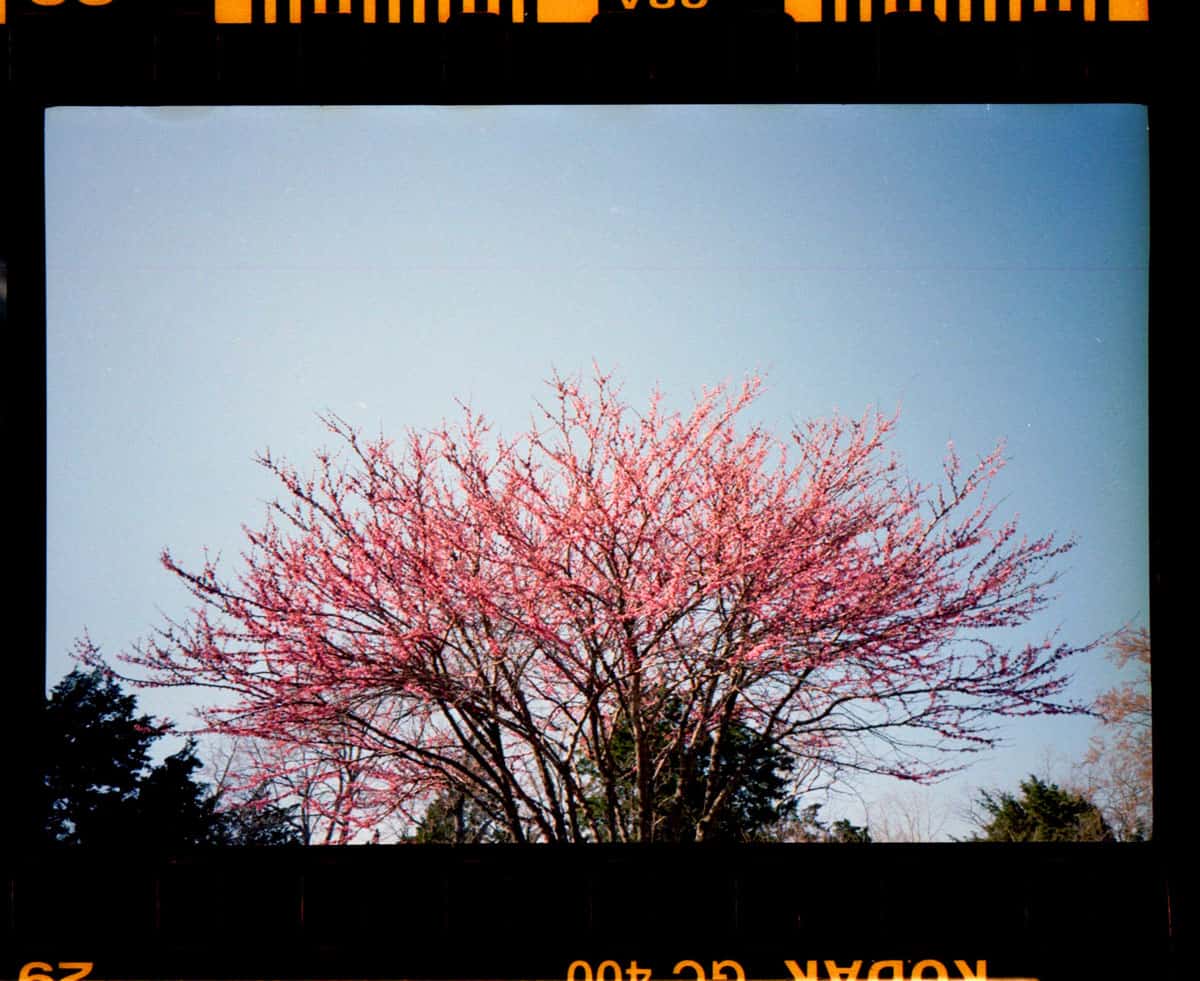
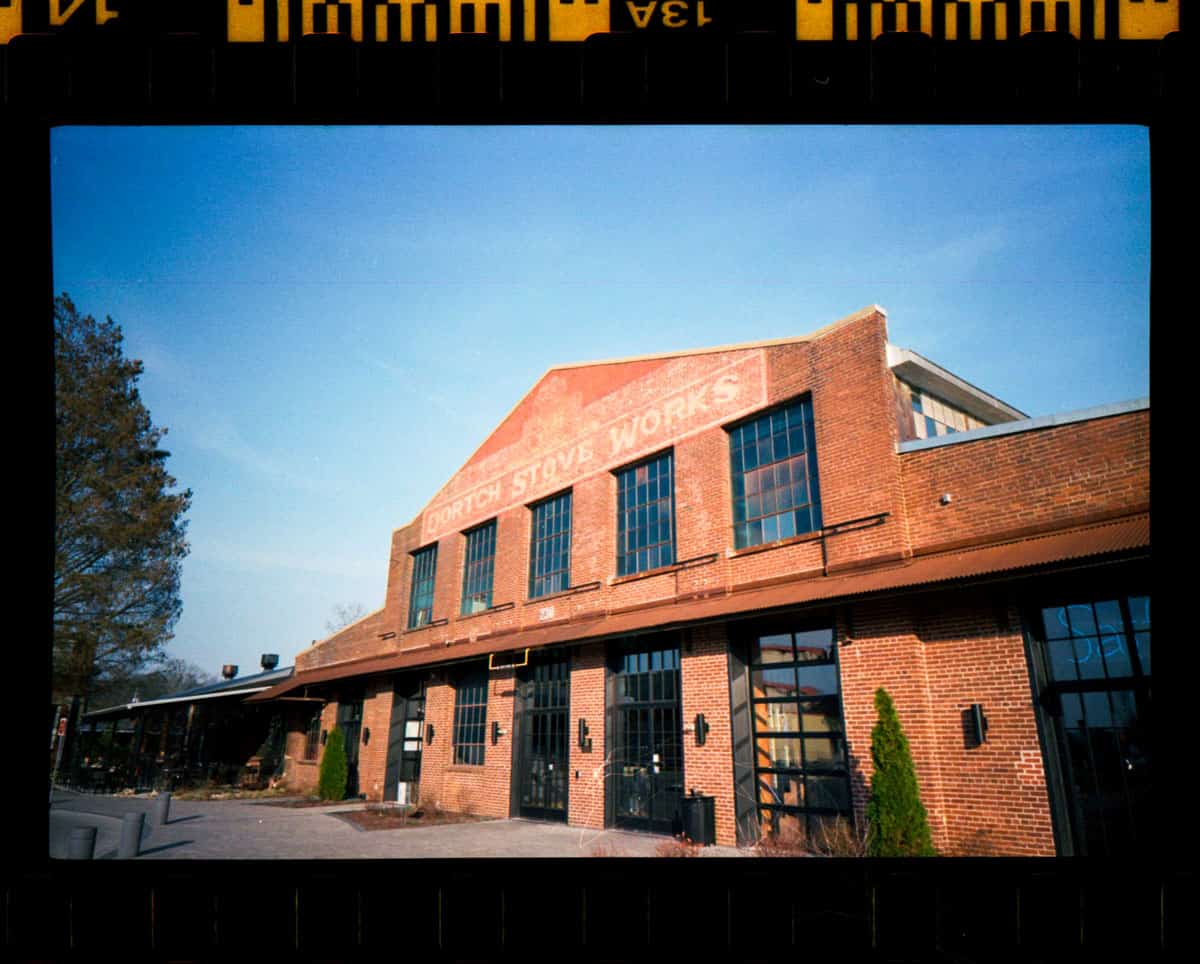
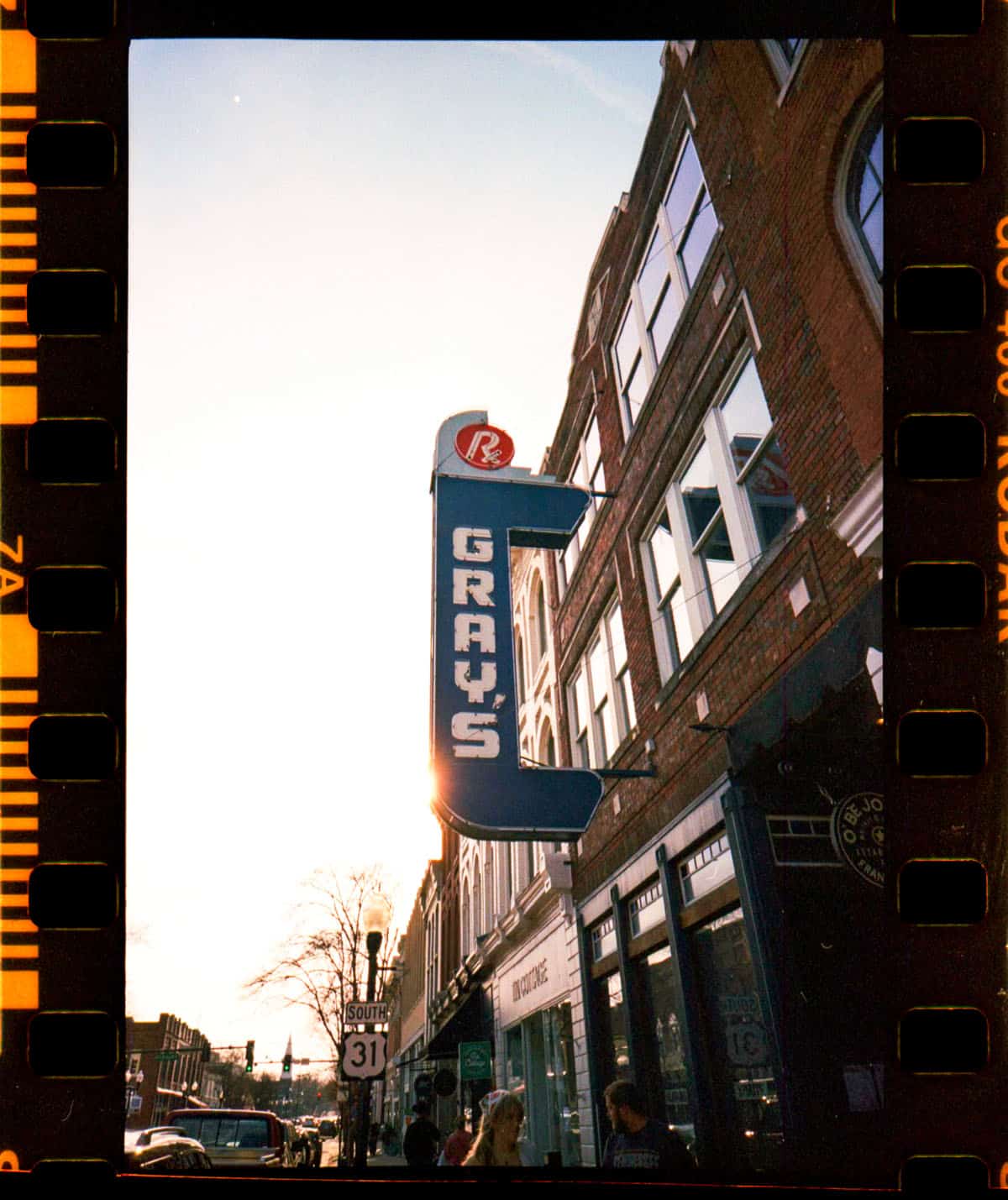
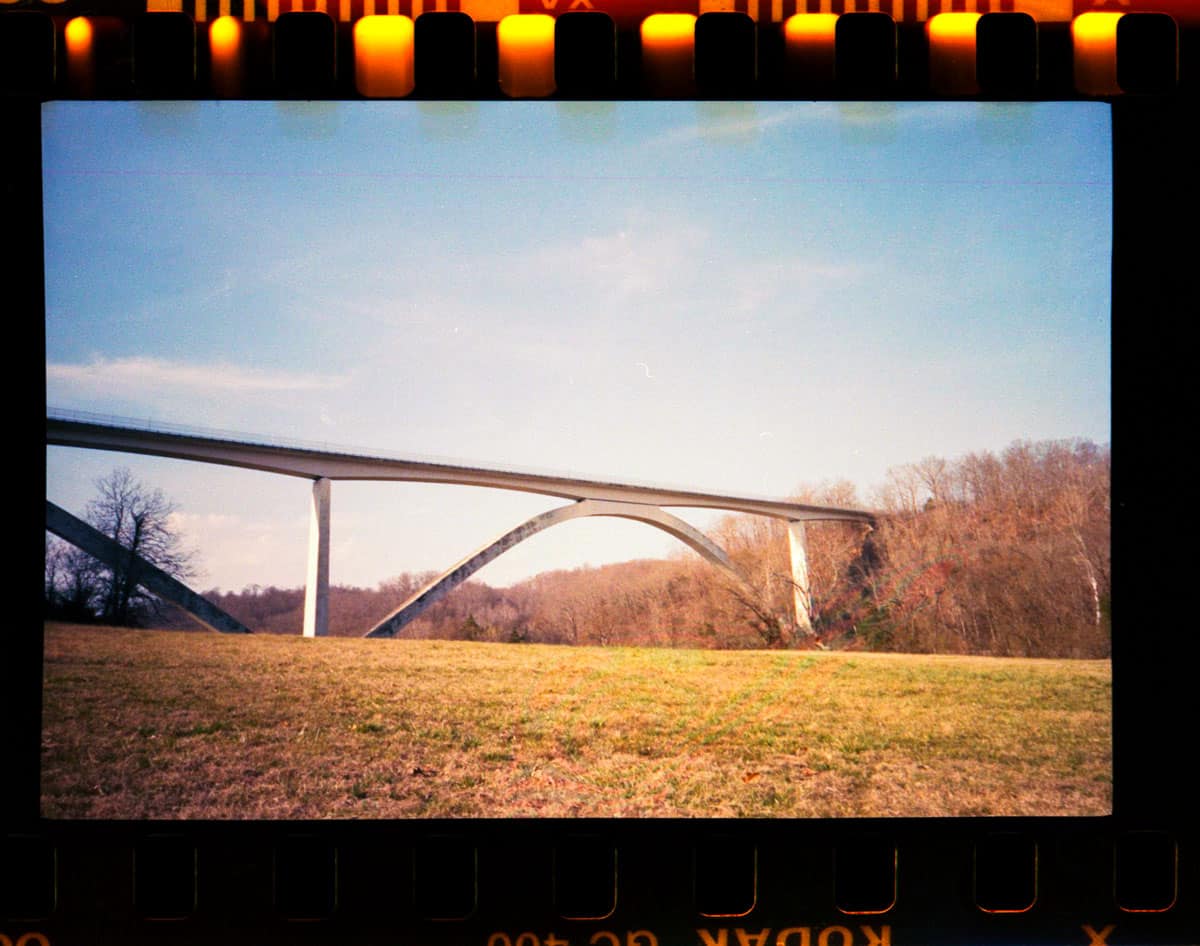
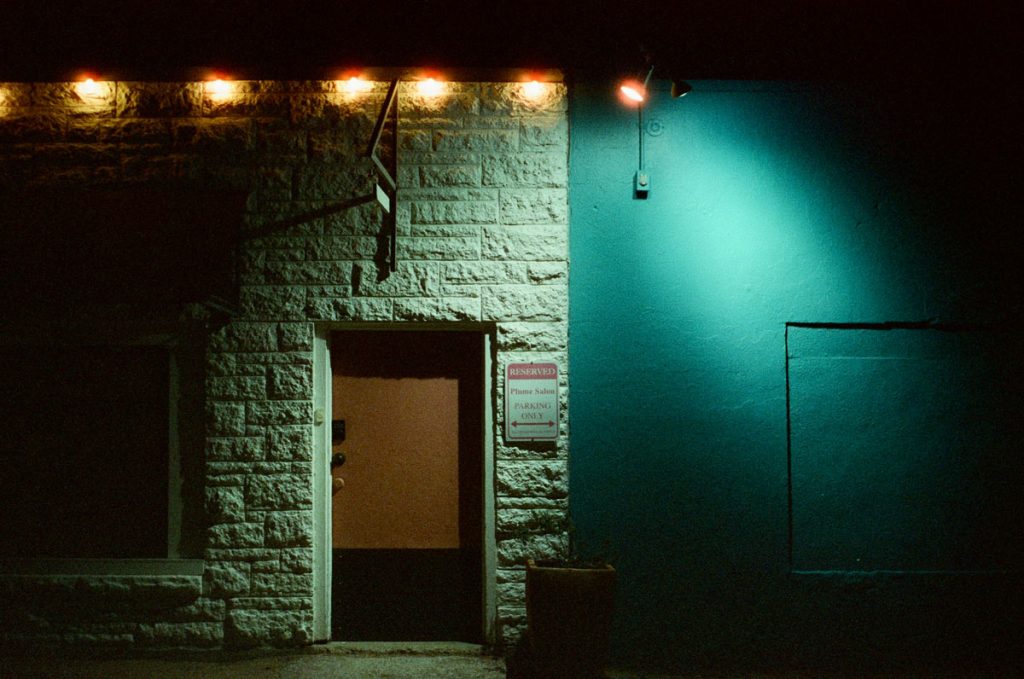
Wonderful article, Kathleen! Seems a fun camera to use. Your pictures demonstrate well what the camera is capable of. Thanks for your article!
Kathleen
June 20, 2026 at 4:15 pm
Thank you so much, Curtis!
Eddy
June 19, 2026 at 11:04 am
Very nice photos. I also love double exposures. Several of my film cameras have that option. The price is pricey for me. I have many cameras that were given to me for free or bought for a song at camera shows and thrift stores. I do love point and shoots. I keep a few in my car at all times.
Kathleen
June 20, 2026 at 4:17 pm
Thank you, Eddy! I totally agree that the price is a bit on the high end, but other than that, a really lovely camera to use!
Iain
June 19, 2026 at 6:19 pm
Hi Kathleen thank for your article, I’m enjoying my Snapic very much. One thing I noticed which is not mentioned in the manual. The neck strap is the same length as the close focus distance.
Kathleen
June 20, 2026 at 4:18 pm
Such a good point! I totally forgot that the neck strap is that length. It’s so helpful when trying to figure out focus.
GS
June 20, 2026 at 10:48 am
Fixed aperture means this camery will only shoot f9.5 at 1/100s? Just one exposure mode? That would make it almost the same as disposable cameras. Why does it get so much hype?
Eddy
June 20, 2026 at 11:57 am
Maybe because it is more advanced and not disposable. And no double exposure modes on disposable cameras.
Kathleen
June 20, 2026 at 4:22 pm
It’s definitely a camera for a specific use. If you love disposable cameras but want some more durability and a few more fun features, it’s a great fit, but it won’t be for everyone.
Calum
August 30, 2026 at 5:13 am
Hi Kathleen, thanks for the great and informative write-up. Could I just ask what film you used for the sample photos? I’m new to all this and have read conflicting advice on what film to use for this camera, even in like-for-like light conditions. Thanks!
Kathleen
August 30, 2026 at 12:17 pm
Hi Calum! I used Kodak UltraMax 400. It’s designed for 200 or 400 speed films, and I would agree with that after using it. It did really well with 400 ISO even in super bright sun, so to be safe, I’d probably stick with a 400 speed film.