

Written by Taylor Blanchard
We’ve covered Harmon’s Phoenix color film previously at Shoot It With Film. I included it in my lesser known color film stocks article (it was a nascent stock then) and Raufan included it in a Phoenix I vs Phoenix II comparison.
When the film first came out, we knew Harmon had invested a lot of time and money into developing the stock, and we knew they’d continue to improve it. With Phoenix I, the color shifts, grain, and narrow exposure latitude, coupled with a lack of education about how to best scan the film, meant initial results were wonky and weird. People were sharing hacks on how to get decent results out of the film.
Phoenix II showed marked improvements in the color shifts and latitude. After scanning my first roll of Phoenix II in 120 and seeing the bright colors from daylight photos, I had a hot take: is Phoenix II similar to slide film? I know that may sound a bit unhinged, so let’s unpack it…

Harman Phoenix Film: Vivid and Interesting Colors
On sunny days with clear skies or fluffy white clouds, the blue sky will pop with Phoenix film, especially on Phoenix II. On the flipside, shadows often tint blue with Phoenix II. Phoenix also creates pleasing results close to dusk or in the morning.
The most noticeable issue with Phoenix stocks in general is how quickly shadow details get crunched. This film is best when you don’t care about shadow detail, or when you are shooting in even light. During the day, it fares best when the sun is behind you or close to directly overhead.
The other big complaint, which correlates with how it handles shadow, is the noticeable grain. You’ll notice this the most in 35mm. I find the grain structure pleasing, and I love grain (we are film shooters after all), so this doesn’t bother me.
Finally, Phoenix sometimes gives halation, a bit of a love-it-or-hate-it look of many cinema films. Harmon seems to have improved the halation with Phoenix II.
Find Harmon Phoenix film on Amazon.



Kodak Ektachrome Film: Beautiful Results
Kodak Ektachrome is a positive/reversal/slide/transparency film; all of these names are used interchangeably. After development, positive films result in a positive image (versus a negative), so when you look at it, you see the scene as you shot it.
Positive film comes in color and black and white, yet it’s not as easy to find in black and white. Both color and black and white positive film requires different chemistry to process to yield a positive image.
Many black and white negative films can be processed as positive, including many Rollei films, Kodak Tri-X 400, and more. Of course you can also develop color negative as positive and vice versa – a practice known as cross-processing. Positive color films are known for their narrow exposure latitude, beautiful colors, and very little apparent grain.
The most famous positive film is Kodachrome. While you can still purchase old rolls of Kodachrome, the development process was discontinued, although you can find recipes for developing it in black and white.
Today, Kodak Ektachrome is the most widely available positive film. Several re-spoolers sell the cinema version of Ektachrome (if you shoot the cinema version of a positive film, you can watch it on a projector.) Fuji also makes Velvia 50 and 100 and Provia 100, yet production is so limited that it’s very difficult to find, unless you want to pay a steep premium.
I love shooting Ektachrome in colorful locations and when traveling, specifically hiking. The colors are balanced and the negatives are so smooth. It’s also fun to hold up the slides to the light once developed and see the scene as you shot it. Sometimes it’s tough to look at a negative, especially in color, and “see” the scene.
Find Kodak Ektachrome 100 on Amazon.


Related: Guide to Choosing a Slide Film
Head-to-Head Comparison
I’ve shot Phoenix and reversal film in the same places in the same conditions, so while it wasn’t an exacting head-to-head comparison, we can glean some similarities and differences.
Less Grain
Winner: Ektachrome
Ektachrome and other reversal films are so smooth and crisp. You have to search for the grain – you’ll almost never notice it unless the film is underexposed.
Exposure Latitude
Winner: Tie
Both Phoenix and Ektachrome are far less forgiving than other film stocks. If using your camera’s internal light meter, you must be confident in its results. If using a handheld light meter (or an app, or a watch), you need to meter carefully. It’s quite easy to overexpose, and unlike color negative film, both Phoenix and Ektachrome don’t have as much leeway for overexposure. You will lose a lot of detail if you underexpose.
Accurate Colors
Winner: Ektachrome
Ektachrome yields accurate colors and is easier to scan to capture those colors digitally. Phoenix can be a bit tricky to scan, although II is much easier than I, and you may spend more time in your photo editing software tweaking the colors.





Striking Colors
Winner: Phoenix II
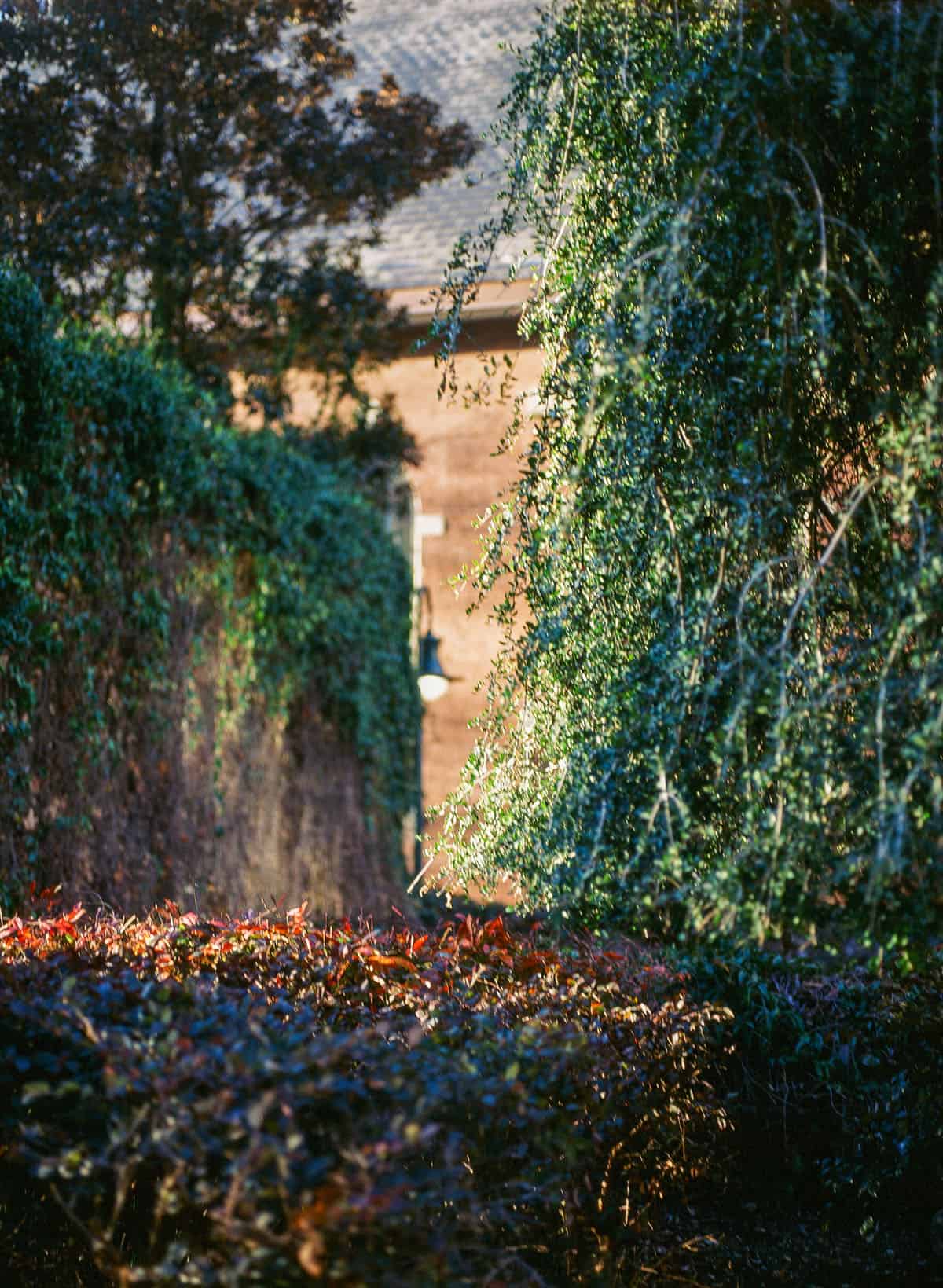
My initial impression of Phoenix’s rendering of bright colors holds true. Compared to reversal films though, while I love the boldness of Phoenix, I wonder if it verges on too much. Are the colors garish? I’m not sure. The results certainly pop, and the film feels daring and fun.
Shadows
Winner: Ektachrome
Because of the narrow latitude of both films, shadows can be tricky. But, Ektachrome gives you a tad more to work with in the shadows. I find Ektachome shadows lean green while Phoenix II shadow lean blue.
High Contrast
Winner: Phoenix
If you like contrast without much editing, Phoenix is the clear winner.
Cost
Winner: Phoenix
It’s expensive to shoot film, and a roll of Ektachrome will set you back. Phoenix is often half the cost of Ektachrome.






A Note: 120 vs 35mm
Most of the results I’ve shared here are medium format. At 3-4 times the surface area compared to 35mm, 120 film gives you a wider tonal range, more colors, and less apparent grain.
With file compression of scans, the distinction between the two is nearly obliterated on social media and small screens, so you might never notice. You will notice any time you make enlargements – from digital files or in the darkroom. The larger the negative, the larger the final print without sacrificing resolution.
I always think of 120 film as giving everything more space to breathe: colors, grain, detail.

Conclusion
I’ve written multiple times about the difficulty in manufacturing color film in 2026, and it’s worth reiterating. It was a shock when Harmon announced they were going to dive into this arena. Even though the company had previously manufactured color photography materials, they’re mostly known for Ilford’s line of black and white, chemistry, and paper. Getting back into color was a different beast.
Phoenix is a controversial film in the community. Some people love it and respect that Harmon is investing in color film R&D. Others find the results too unpredictable. Or they shot Phoenix I, didn’t like it, and didn’t want to try version II. Others complain that Harmon has released a redscale and the Azure blue film, before further improving Phoenix.
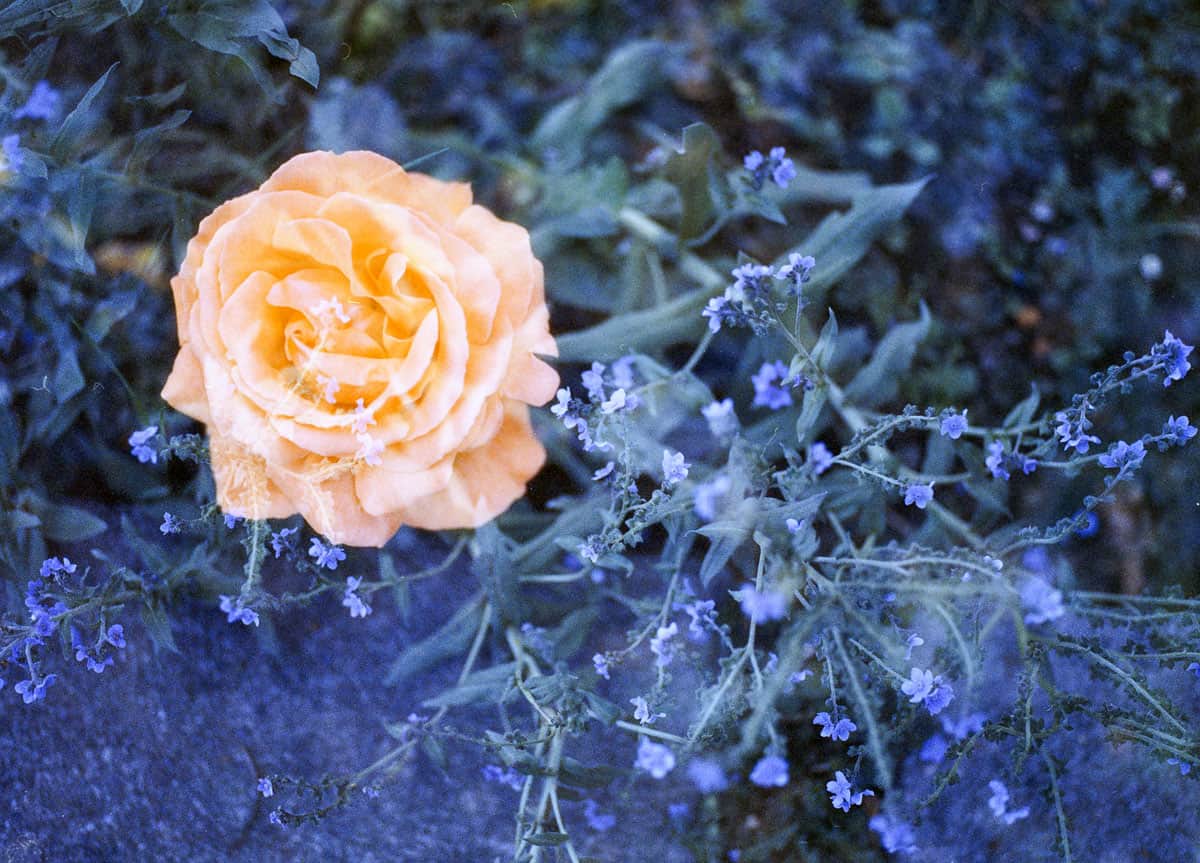
While obviously Phoenix fails in many ways compared to reversal film, it comes with a cheaper price tag, and it’s also less expensive to develop if you send to a lab. Phoenix II is a great option for experimentation, such as double exposures, and it gives a unique look that you don’t find in other film stocks.
Shooting film is often a game of balancing tradeoffs. I love Ektachrome, but I simply cannot afford to shoot it as often as I would like. I generally reserve it for travel photography. It also is more time-consuming for me to use because I take extra time validating my exposure. The results are worth it, but I am choosy when I decide to use it.
Sound off in the comments. What do you think of these films? If you’ve shot Phoenix, what do you think?


Thank you so much, Taylor! Taylor is a regular contributor here at Shoot It With Film, and you can check out her other articles here, such as Shooting Film on a Budget: Color Films Under $10 and Shooting Film on a Budget: Black and White Films Under $10.
You can also check out more of Taylor’s work on Instagram.
Leave your questions about Harmon’s Phoenix color film and Kodak Ektachrome below in the comments, and you can pick some up for yourself on Amazon here: Harmon Phoenix and Kodak Ektachrome 100





Leave a Comment
Shoot It With Film on Instagram


Blog Comments
Eddy
June 12, 2026 at 11:46 am
Nice photos. Film is supposed to be unpredictable so the results should be as well. I have been told to shooot phoenix one stop overexposed. I have phoenix 2 in my camera at ISO 100. And slide film you are supposed to shooot underexposed by one stop for rich colors. And you did not mention that slide films exposure has to be accurate because there is no room for error. I cross process all my slide film for color shifts.
Albrecht
June 12, 2026 at 3:46 pm
Thanks for the article and your pictures, which is very interesting to all of us film shooters. I prefer slide for the option of projection. If you love your 120, you might give 6×6 projection a chance. Only with slides I can use the exact same material which I exposed to light to view the result really huge and share with my viewers, although they really have to be there. That doesn’t work via the internet. Yes, slidefilm is developed too and therefore is changed but stays exact the same material that I decided to go into the camera. You mentioned it and what I miss most is kodachrome. I shot it for decades and either you love it or hate it but I miss it badly. If the pricetag is to bad for colourslides, and yes, it is high, and Fuji slidefilm I haven’t seen in stock for quite some time, I tried Ilford FP4+ 120 in my Ikonta the other day and had it reverse developed in a local lab. Actually it came out really nice as b/w 6×6 slides and I didn’t know that many, or at least quite some of our b/w films today are coated on transparent material (which was not so much the case thirty years ago). And I shall pick up a Phoenix II next time at the filmshop/camerashop/local lab and give it a try (could suit the Plaubel Makina 67). B.t.w. support your local labs and shops, please.
Taylor Blanchard
June 12, 2026 at 4:41 pm
Thank you Albrecht for the thoughtful comment. I should have mentioned projecting slide film, which really is so special. Years ago, I was in a photography class where everyone was shooting digital but me. I shot slide film mounted in slide holders so the entire class could critique my work. I’m sad that I never had the chance to shoot Kodachrome.
Yes agree with your advice to seek out local labs. I’ve found more and more are popping up.
Carlos
June 12, 2026 at 4:30 pm
If the colors are off, but the pictures right, then the colors are right to be off.
After all it‘s film, a natural representation of the reality it faced.
All else is wrong in the sense of truth.
Taylor Blanchard
June 12, 2026 at 6:57 pm
Wow Carlos, what a poetic comment! Thank you for reading
Taylor Blanchard
June 12, 2026 at 4:37 pm
Thank you for the comment Eddy. I’m also a big fan of cross-processing slide film in C41 (especially with expired slide film). Happy shooting!
Lance
August 19, 2026 at 11:26 am
Really interesting comparison. Ektachrome clearly wins for accuracy and smoothness, but Phoenix II’s bold colours and lower cost make it sound like a fun option for experimenting, especially with double exposures.
Taylor Blanchard
August 22, 2026 at 8:48 am
Lance – thank you for the comment! I’m interested to see what the next version of Phoenix is like and how it stacks up!