

Written by Radostina Boseva
I photograph weddings and portraits on 35mm and medium format film, and with the practice of so many years, I now know what I can expect from every single one of my cameras and at any given moment.
While this can reduce stress, it definitely doesn’t help me grow as an artist — because I truly believe that we grow when we challenge ourselves, and often the best photos are the ones that happen by accident.
The situation is completely different with instant film. Instant film entered my practice from a completely different place — lower stakes, more playful, a space where no one is waiting for the results and nothing is riding on the outcome. Grab a friend, pick up the camera, see what happens.
It turns out that kind of freedom teaches you things that working under pressure never quite does.
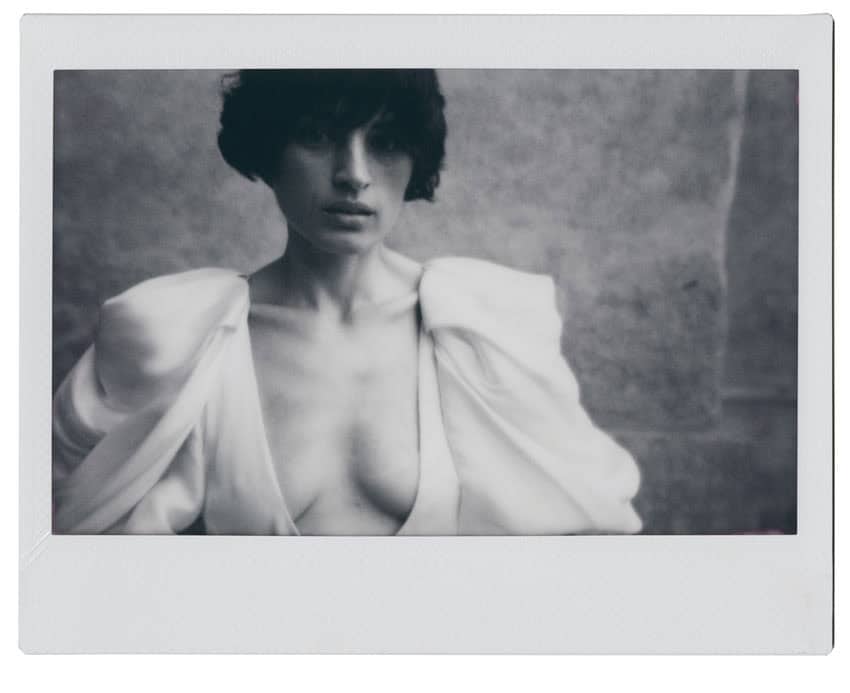
Why Instant Film
Most photographers treat Instax as a nostalgic thing. A party favor. A prop at the reception table. That’s a waste of a genuinely interesting material.
Fujifilm Instax is ISO 800 positive emulsion. It does not behave like negative film. There is no highlight recovery, no shadow detail rescued in post, no editing pass that saves a careless exposure. The light you give the film is the light you keep.
That sounds limiting. It is. That is the point.
When correction isn’t available later, you stop thinking about fixing and start designing before the shutter fires. Light direction. Highlight placement. Shadow depth. Questions you answer before the frame exists, not after.

Understanding the Material
Before attempting any creative technique, spend time simply learning how Instax cameras and film behave — it will surprise you if you approach it like negative film.
ISO and Exposure
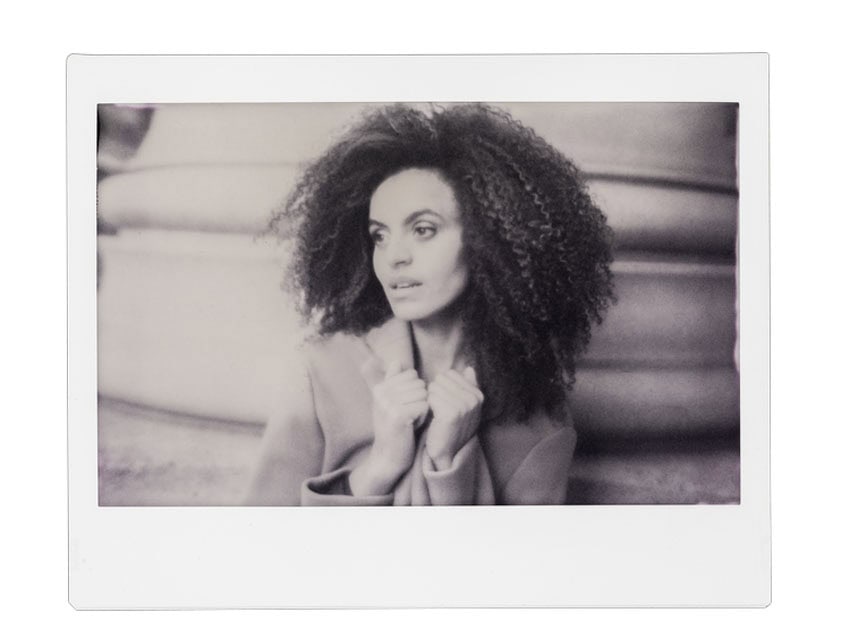
Instax is rated ISO 800 but it is a positive print material — high contrast, limited dynamic range, zero tolerance for overexposure. Midtones are where it lives. Protect highlights absolutely: blown whites are flat and featureless with nothing underneath. Collapsed shadows stay black. No recovery in either direction.
Dynamic Range
Extreme contrast scenes — a subject near a bright window against a dark interior — will not compress gently. The film will choose highlights or shadows, and whichever you don’t protect will be lost.
Simplify the scene first: one dominant light source, controlled background, no unmanaged mixed lighting. When you can’t simplify, let the limitation become the image — contrast as structure, not as problem.
Color
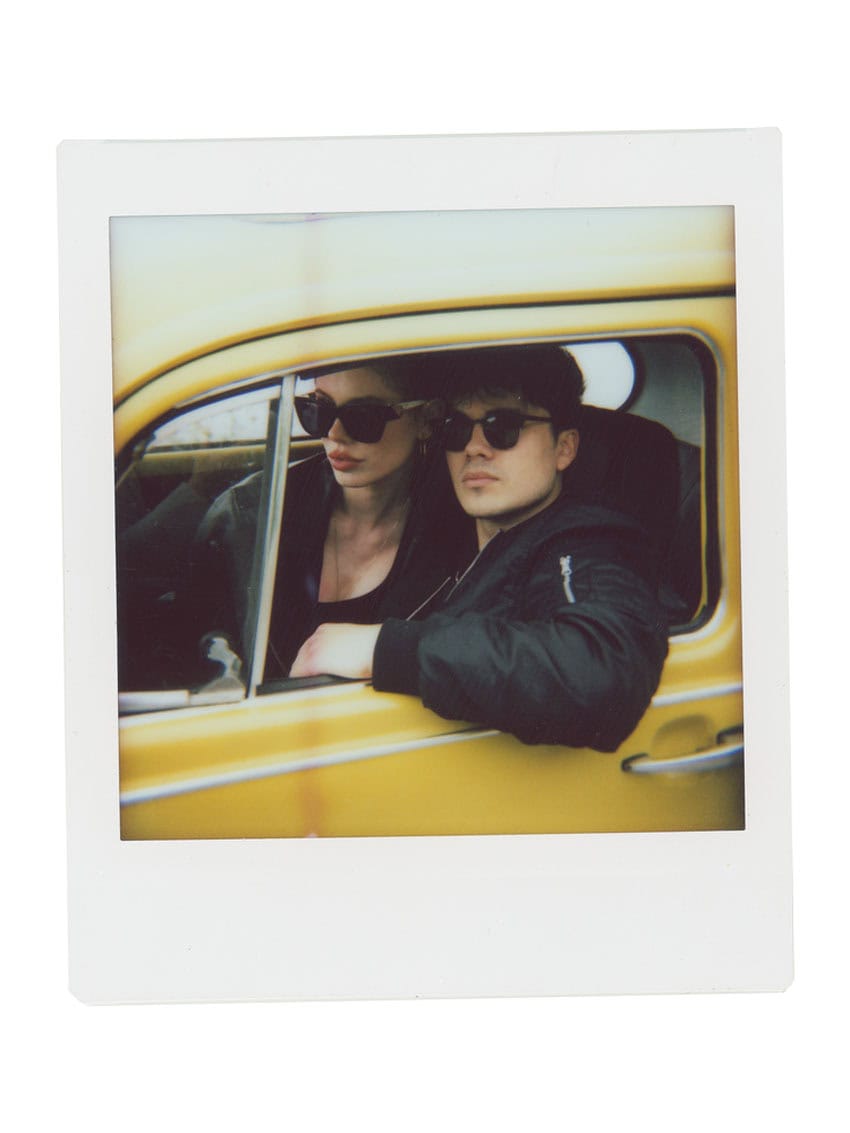
Clean and forward. Blues read strong; reds hold well. Skin tones shift noticeably under mixed or warm artificial light. One clear directional source almost always produces better skin than anything more complicated.
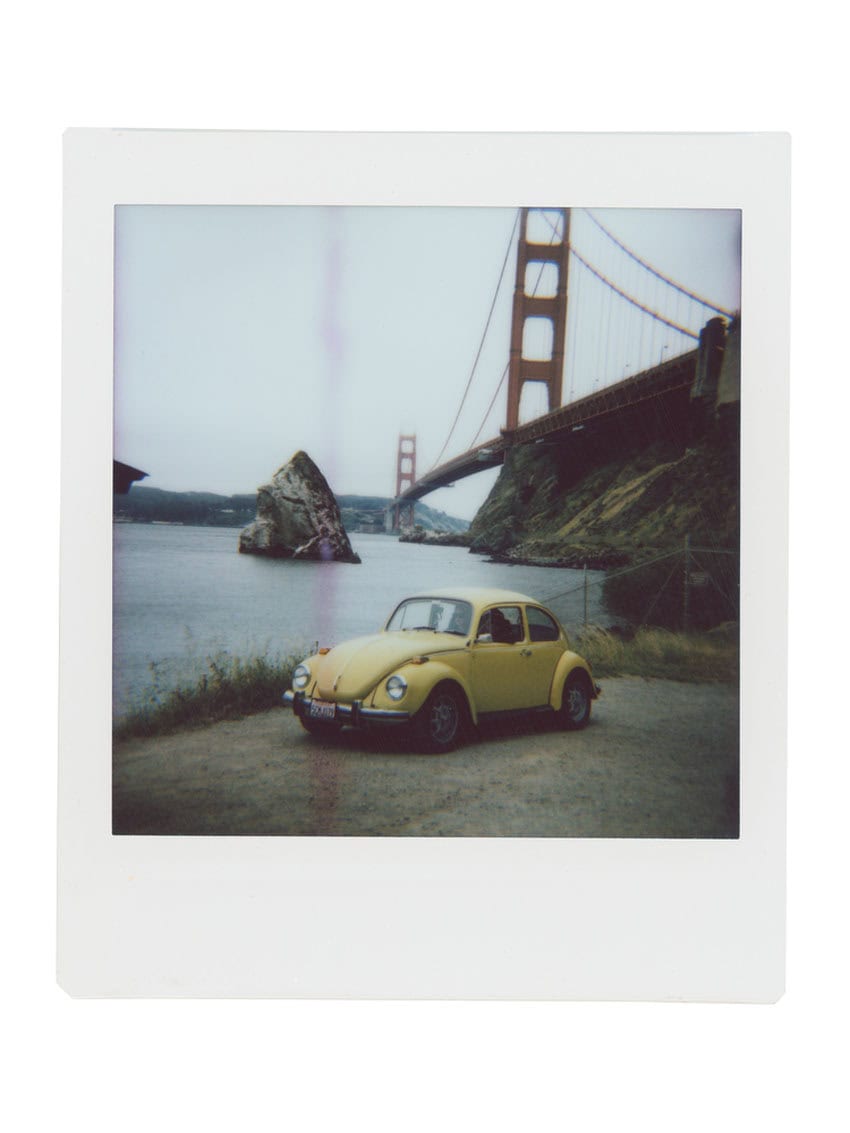
Instant Film Camera Systems
Mint InstantKon RF70
Manual aperture and shutter control in a rangefinder body — essential for serious Instax work.
One important caveat: the internal meter is inconsistent. In high-contrast situations, particularly hard window light, it misreads highlights. Follow it blindly and you will overexpose. I meter with my eye first and use it as a loose reference at best.
NONS SLR Instant System
A true SLR instant camera — what you see through the viewfinder is exactly what the lens sees. For techniques requiring precision — foreground interference, double exposure alignment, close portrait work — this matters. Mint feels immediate. NONS feels exact. Both are the right tool depending on what the image needs.
Fujifilm Instax Mini Evo
A hybrid: preview digitally, print selectively. This lowers waste and reduces expensive mistakes.
The honest trade-off: making a choice without knowing the outcome is part of what makes instant film interesting. The Evo removes that. Whether that is a feature or a loss is up to you.
What Makes a Portrait Work
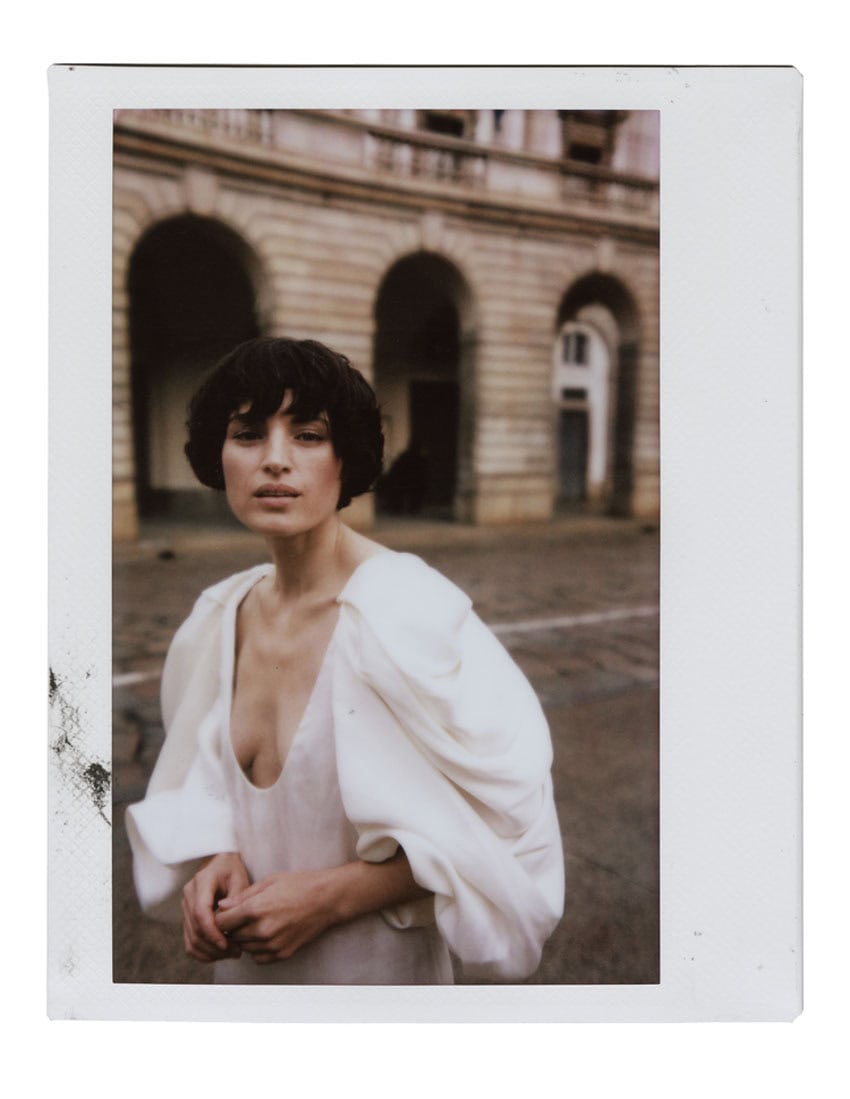
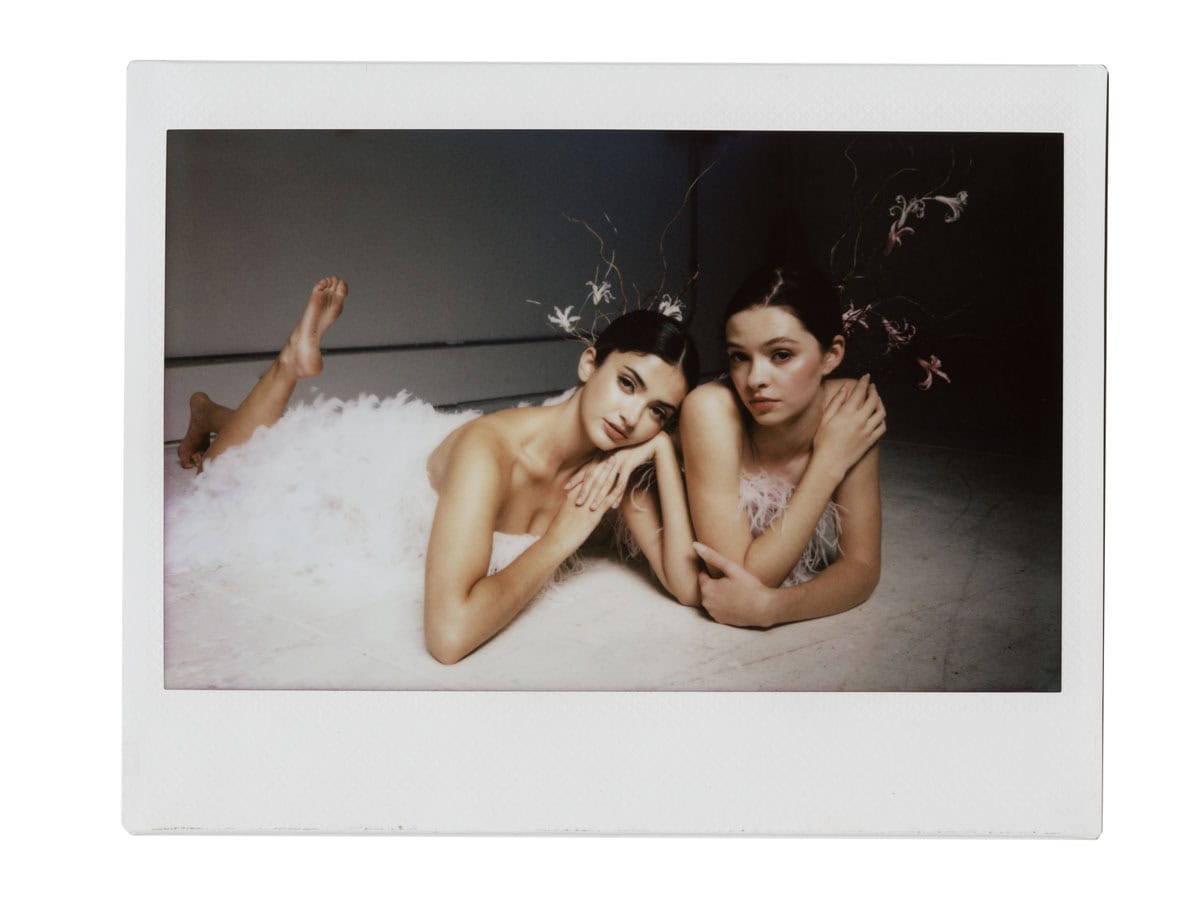
“For a portrait to work, many things must come together — the expression, the framing, the background, the moment.” — Mary Ellen Mark
A portrait looks simple. A person, a camera, a moment. But when it actually works — when it holds you, when you come back to it — several things came together at the same time.
The expression carries something real. Not necessarily dramatic — often it is the smallest shift, a release of tension, a fraction of a second where the subject forgets the camera exists, that makes a portrait feel alive. The best portraits happen between directed moments, not during them.
Light shapes everything before anything else. Flat light flattens more than faces. Hard directional light creates depth, weight, and presence. The frame and background either support or undermine everything the light builds.
On instant film, with no corrections available and a finite number of frames, all of these decisions arrive at the same moment. That is the discipline the medium enforces — and the reason I keep returning to it.
Three Techniques Worth Trying
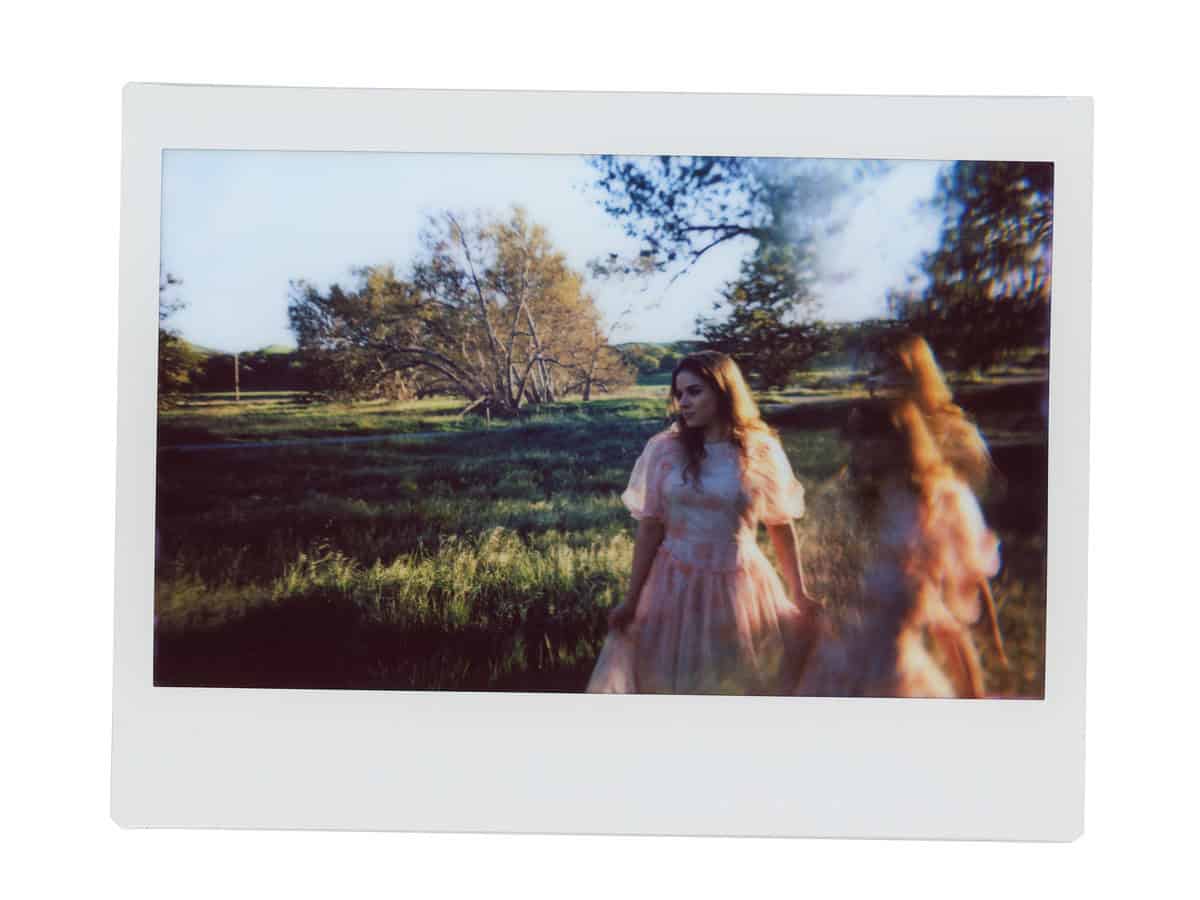
Double Exposure
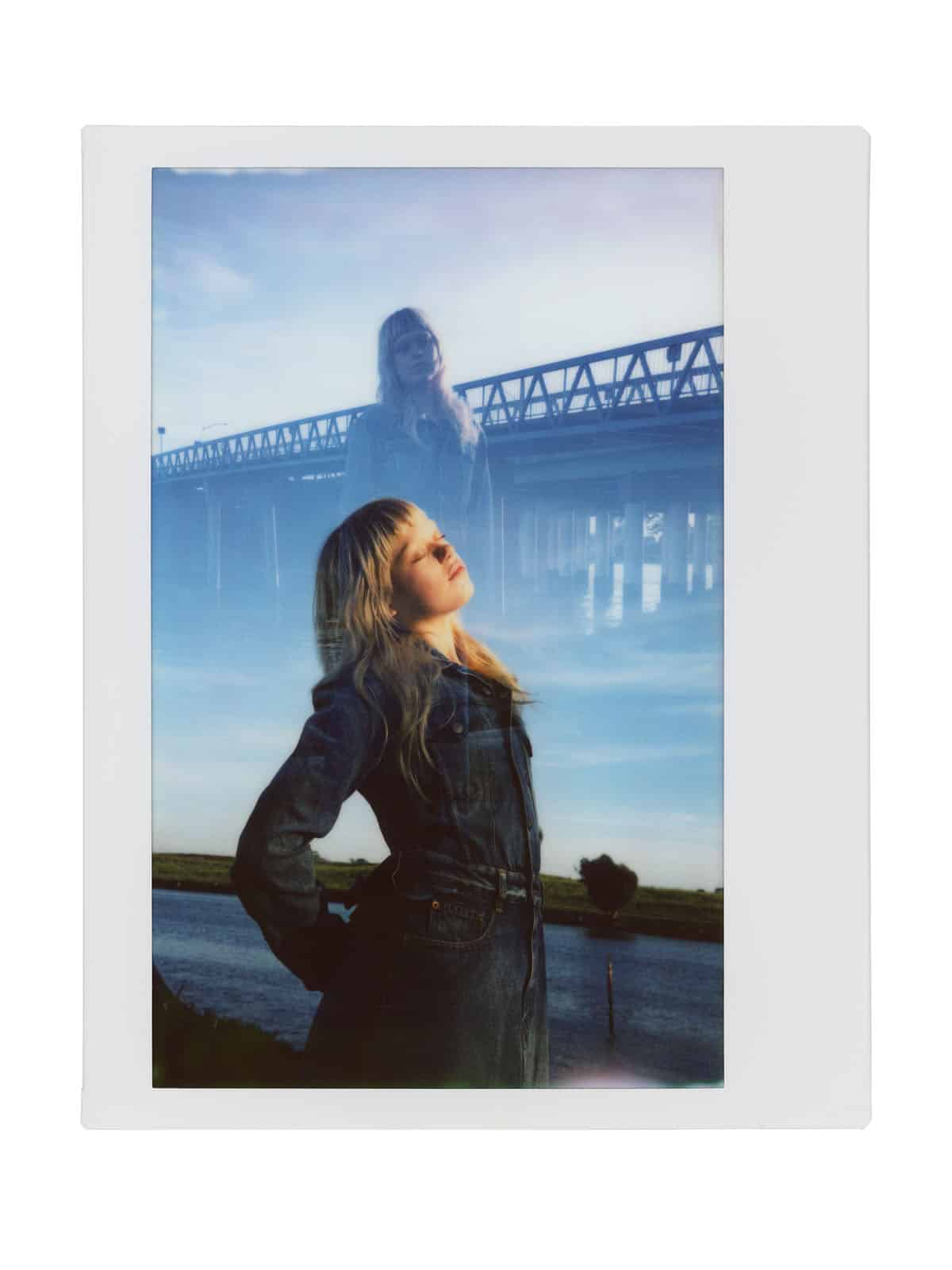
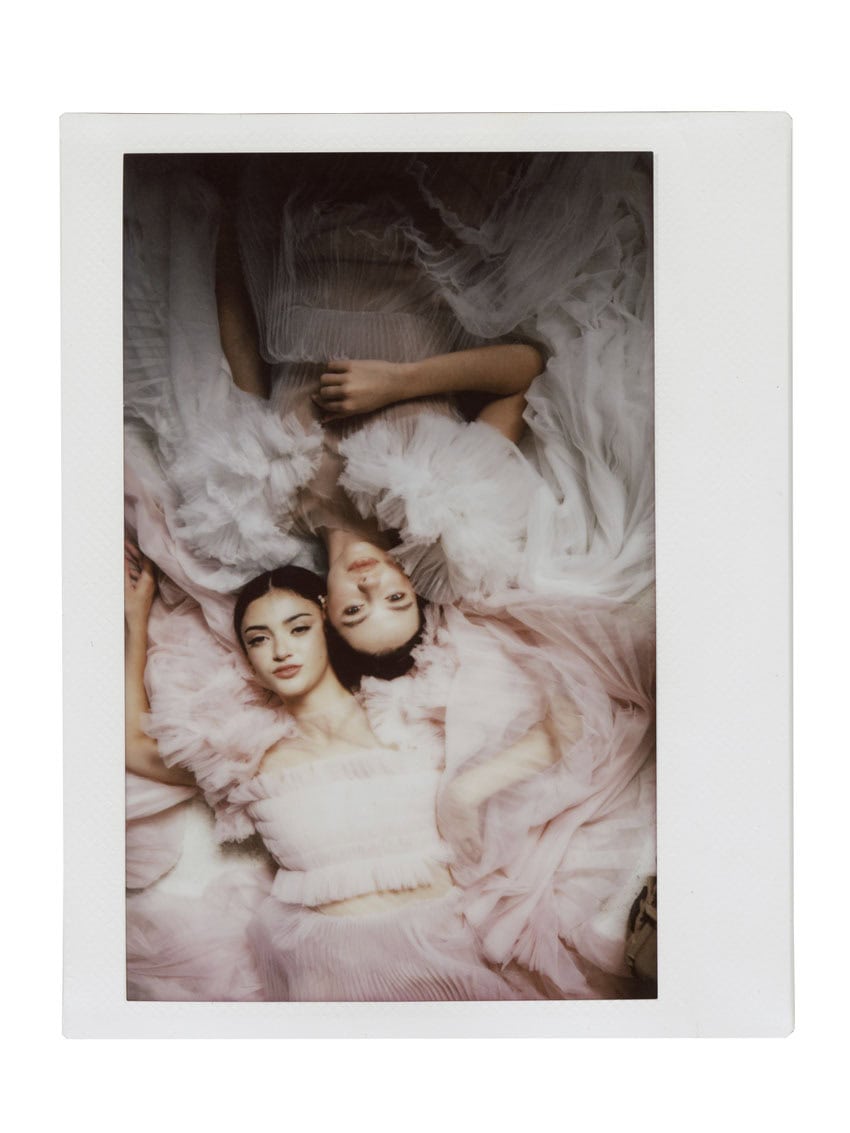
Assign clear roles before you shoot: first exposure is structure — a figure, a strong shape, a face. Second exposure is atmosphere — light through leaves, texture, abstract tone.
Slightly underexpose the first frame to preserve detail when the second layer lands on top. Know what you want each layer to do before you shoot either of them.
Foreground Interference
Place something between the lens and the subject. Glass, lace, a prism, a filter held at the edge of the frame.
It doesn’t need to dominate — entering subtly from one side is often more effective than overwhelming the image. On a small physical print held in your hand, that quality carries real weight.
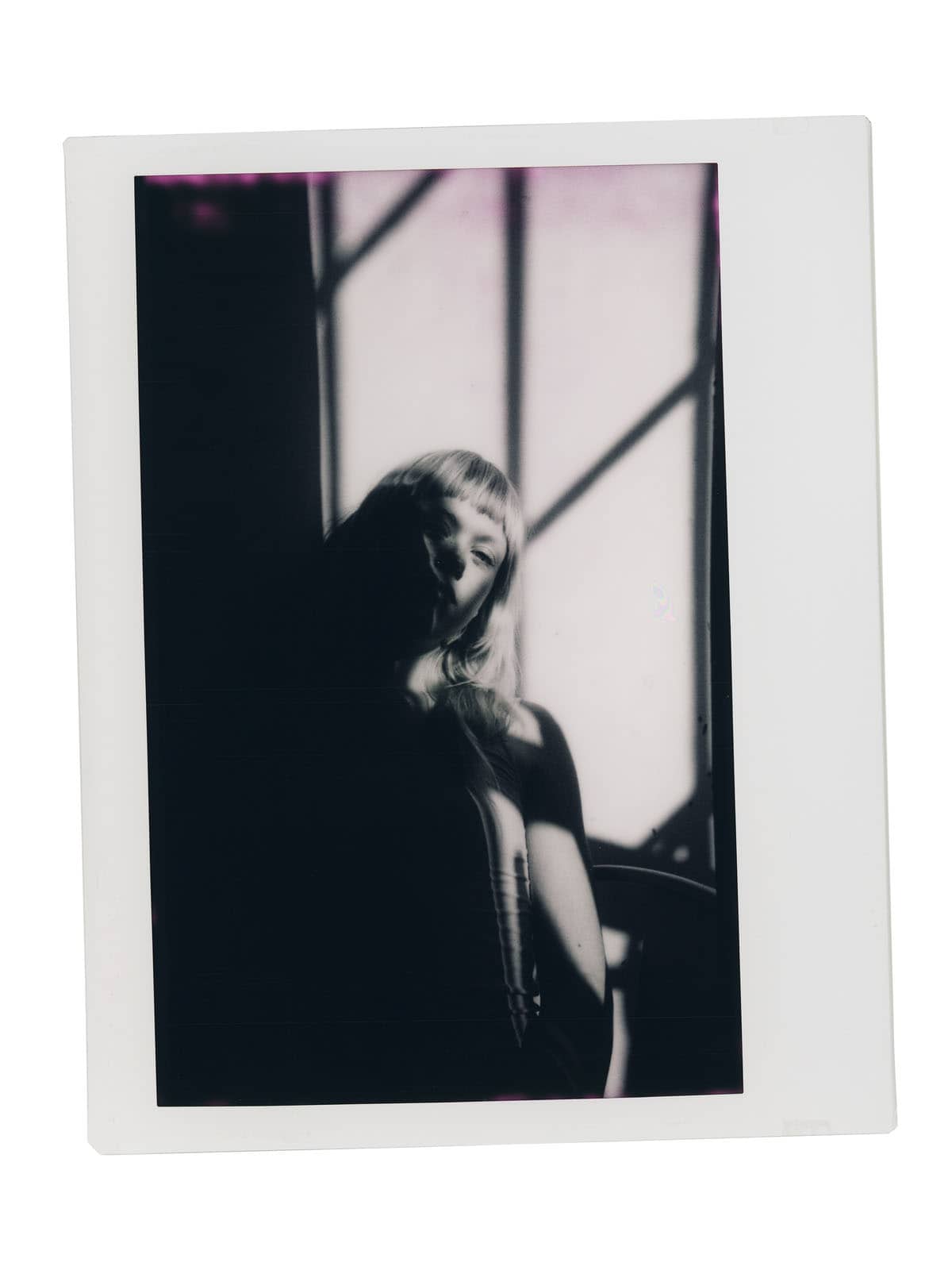
Shadow Carving
Hard window light, no fill, let black exist. Most portrait lighting advice defaults to filling shadows and evening contrast — on Instax that produces flat, forgettable images. Protect your highlights, then let everything else fall where it falls.
Contrast becomes structure. The face emerges from darkness. On a small instant print, that weight is physical.
A Place to Start
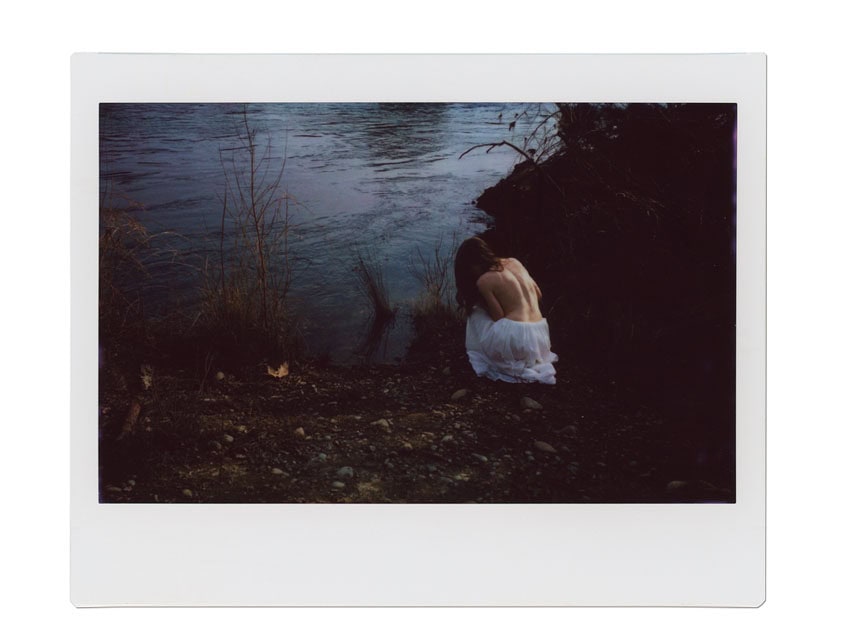
Pick one technique. Limit yourself to five frames before you assess anything.
Grab a friend. Choose a window. See what happens.
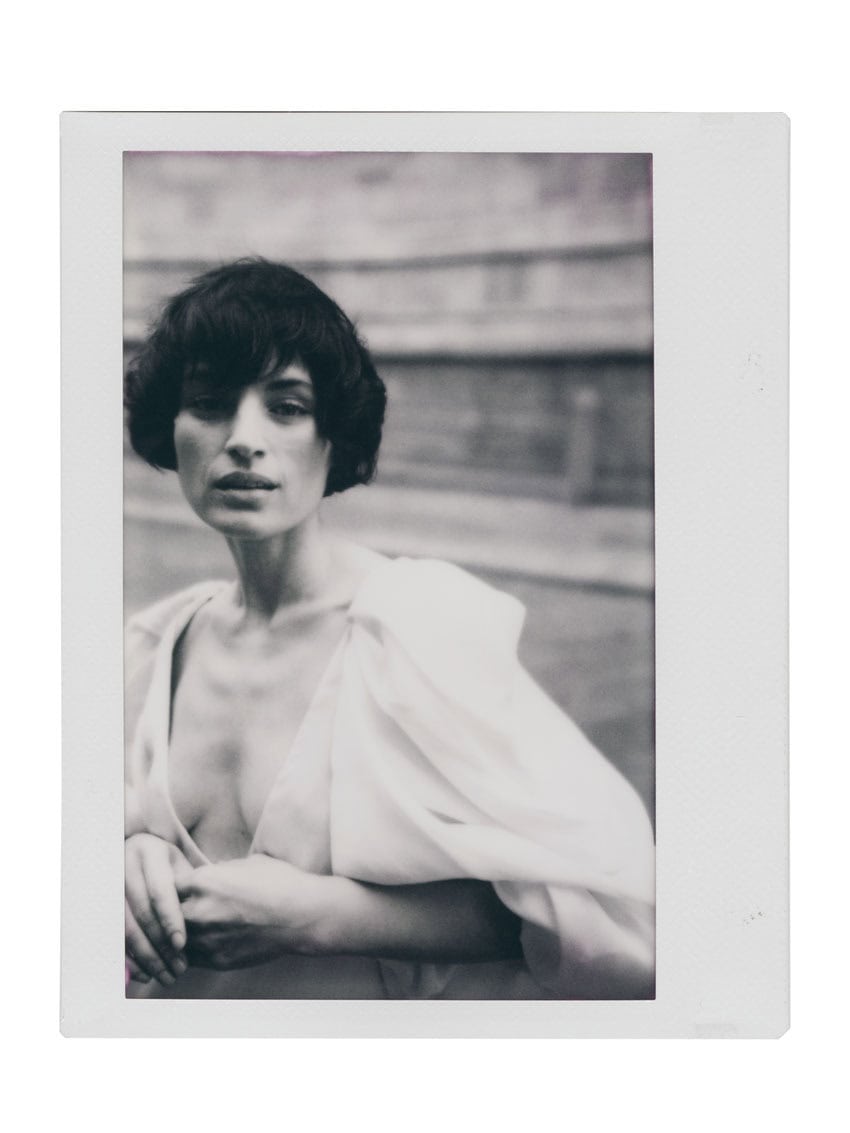
Thank you so much, Radostina! Radostina is a regular contributor for Shoot It With Film, and you can check out her other articles here, such as The Mamiya 7II: What It Does Better—and Worse—Than Other Medium Format Cameras.
You can also find more of Radostina’s work on her website and Instagram.
Leave your questions about shooting portraits on instant film below in the comments!



Leave a Comment
Shoot It With Film on Instagram


Blog Comments
Eddy
June 5, 2026 at 2:43 pm
Nice work. I bring an instant camera on every photoshoot. I use polaroid and Instax. Many instant cameras do not have double exposure modes but have learned hacks on Youtube videos. I even used expired instant film as well as expired 35mm and 120 film.
Radostina
June 8, 2026 at 9:47 pm
Wonderful. I will be curious to see how expired instant film is looking.
Lately I got my instax X-rayed (forgot about that in my bag) and the photographs are really interesting – they lost the contrast and got a really yellowish vintage look. I really liked that.
Martin
June 5, 2026 at 6:47 pm
These photos are insanely good!!!
Radostina
June 8, 2026 at 9:45 pm
Thank you – that means so much!