

Written by Angela Izzo
I have an adventurous heart and a deep love for nature, so I’ve always been mesmerized by and drawn to all kinds of landscapes.
Growing up on more than five acres of land in Long Island, I found peace by exploring my property and immersing myself in nature. Beyond that space was the hustle and bustle of a busy town and vibrant city, which made me even more curious about the stories and perspectives that different landscapes can evoke.
Photographing landscapes brings a sense of calm. There’s no pressure—just being present in the moment while studying shadows, movement, shapes, and light.

My Favorite Cameras for Creative Landscapes
There are a few cameras I consider essential to my landscape photography. The way I shoot film can be somewhat nontraditional—I like to play my camera like an instrument, experimenting to find new ways of creating intriguing landscapes that tell a story in a very analog way.
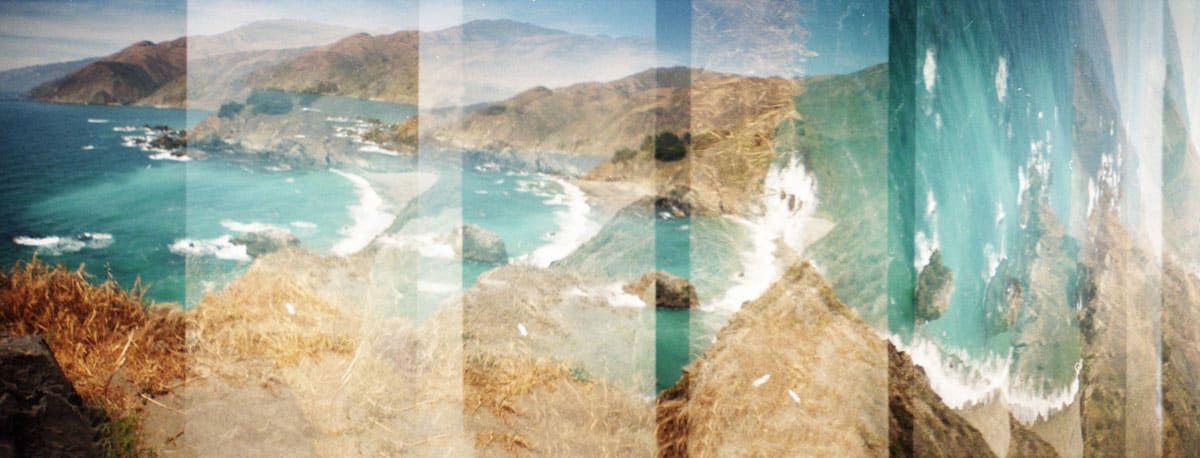
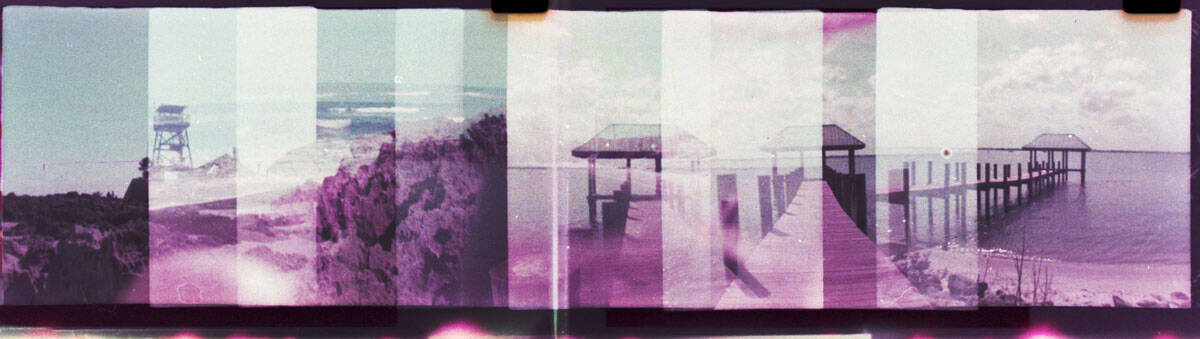
One camera I always keep on hand is my Lomography Diana Mini. Yes, it has a half-frame look, but the way I use it feels more like creating a film strip—almost like a short film. When I’m out on a hike, I’ll take shots along the way, and my layering technique expands the landscape, reshaping it into a new form of expression.
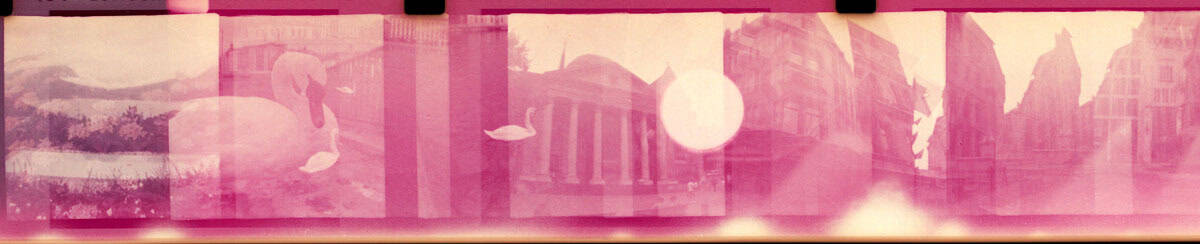

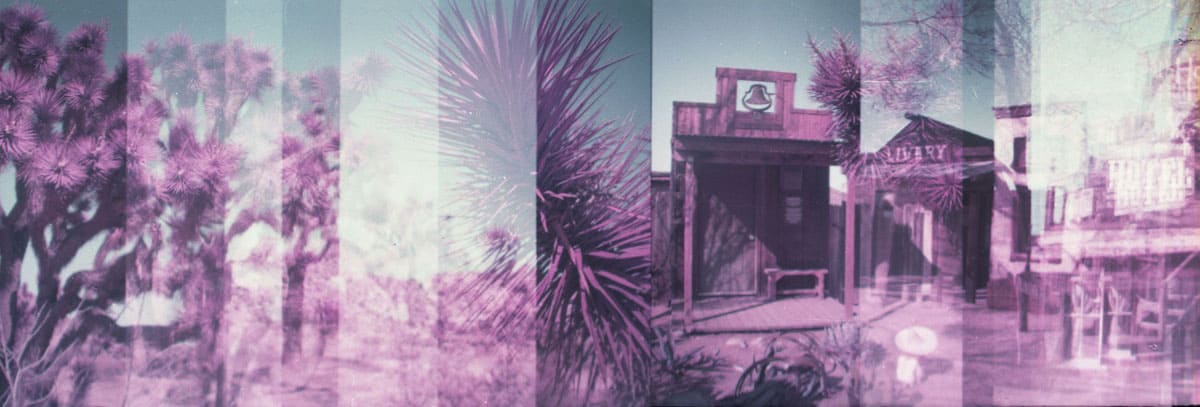
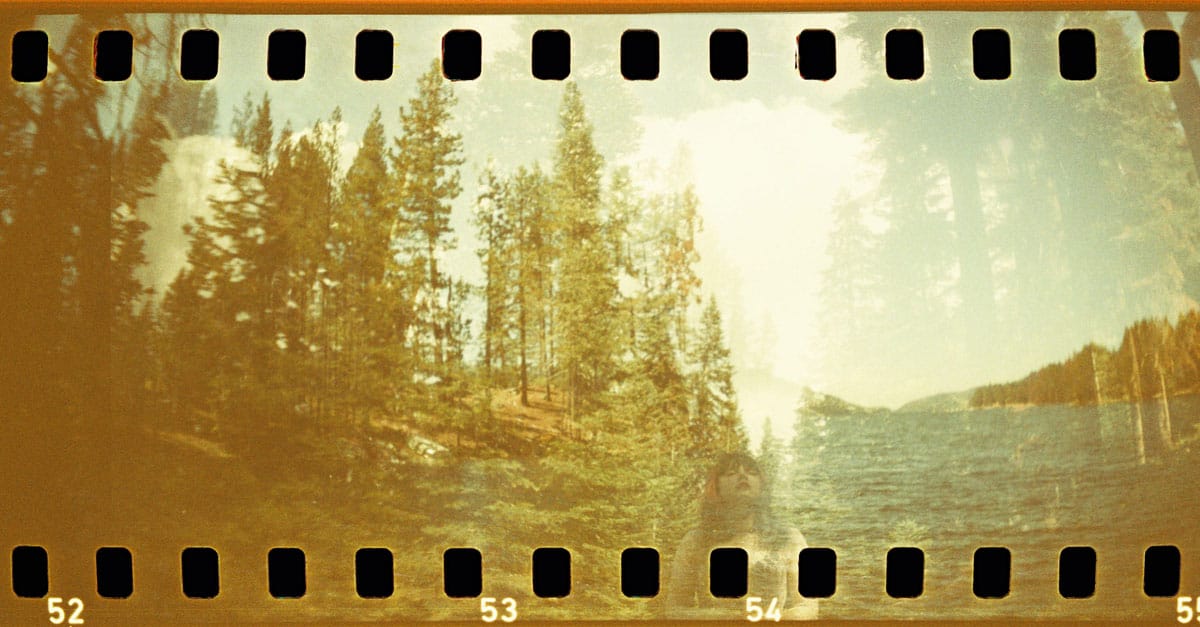
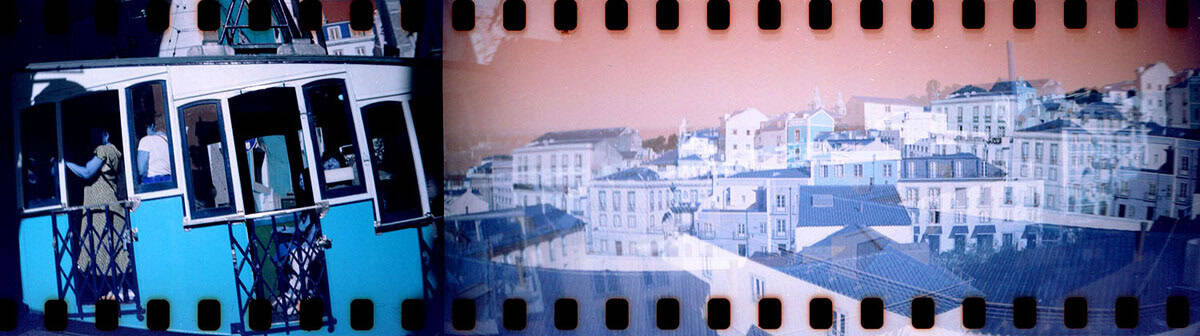
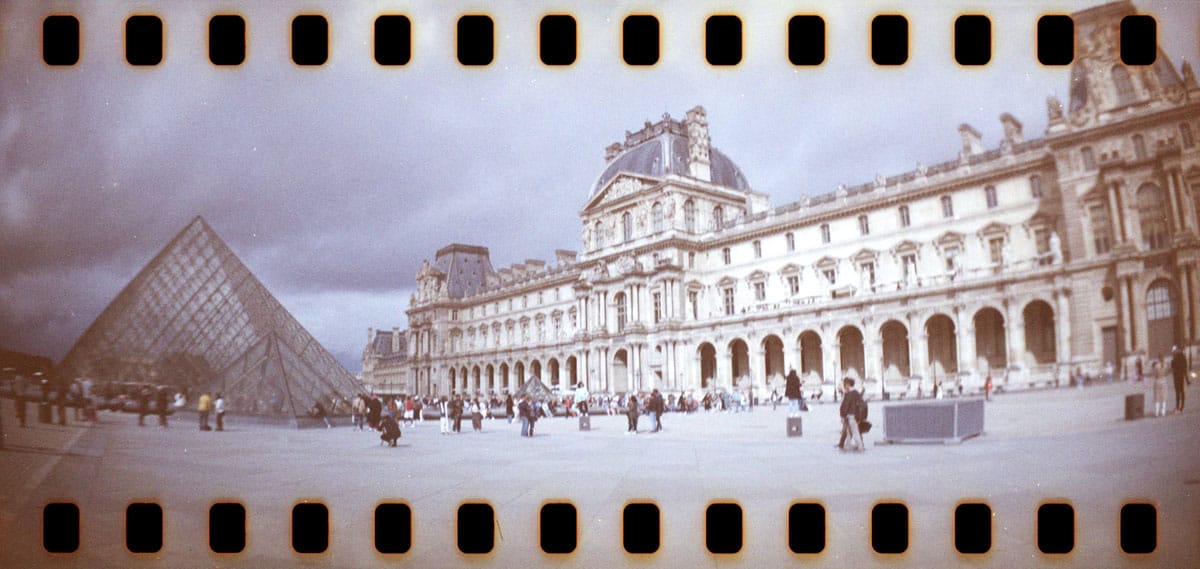
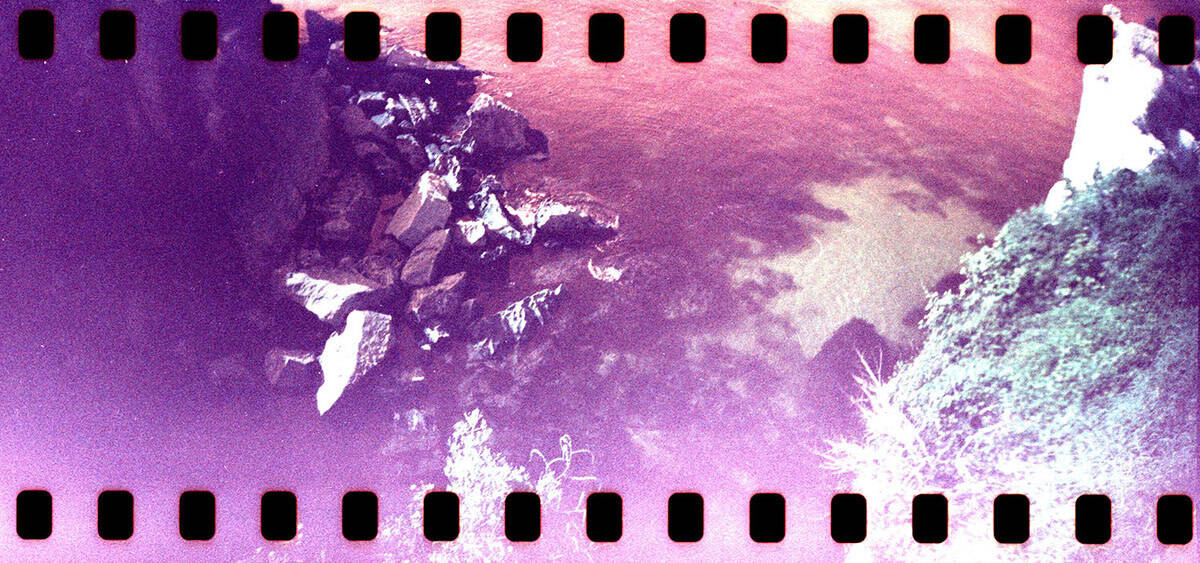
Another camera I love using for landscapes is the Lomography Sprocket Rocket. Its ability to capture an extra-extra-wide frame is my favorite feature. Even though a roll of 36 exposures only gives you about 13 shots, it’s definitely worth it for the unique perspective it creates.
I like experimenting with double exposures, shooting upside down, and even rewinding the film to layer moments over one another. Sprinkling overlapping shots throughout a roll creates a spontaneous effect that can add a fun twist to a landscape image.
At the same time, I also appreciate a clean, straightforward shot with this camera—especially when I use a specialized film stock that really highlights the look and feel of the environment I’m documenting.


Related: Lomography Sprocket Rocket Review
Using Experimental Film Stocks in Landscapes
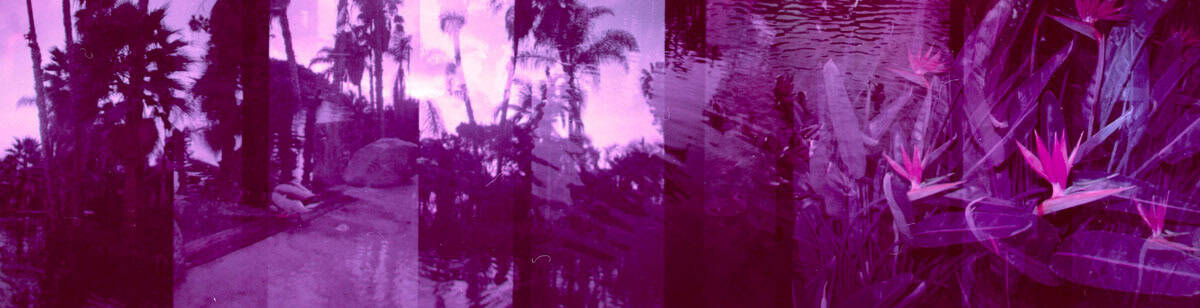
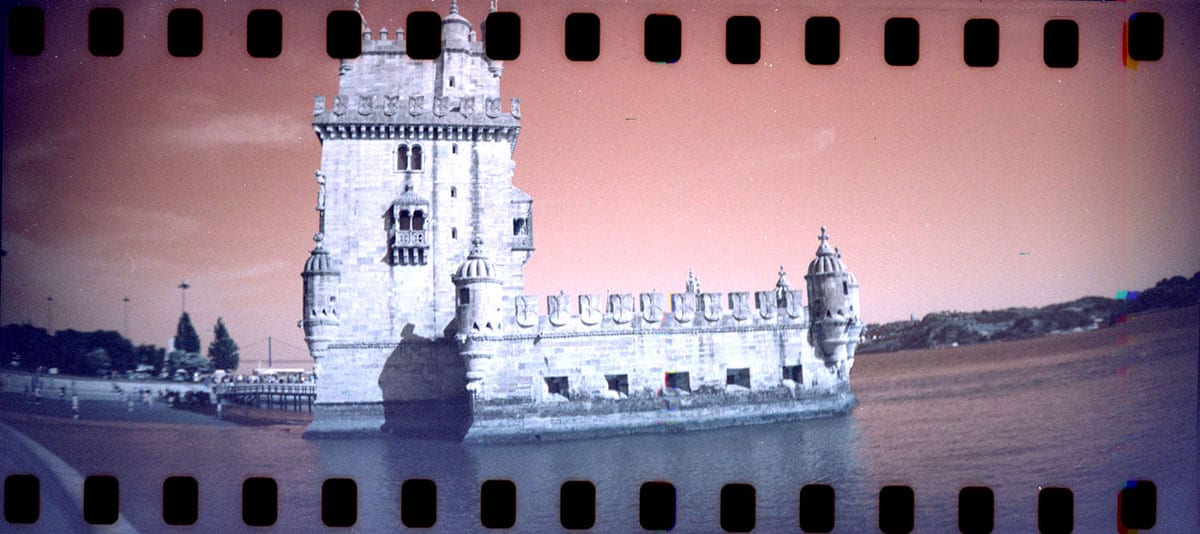
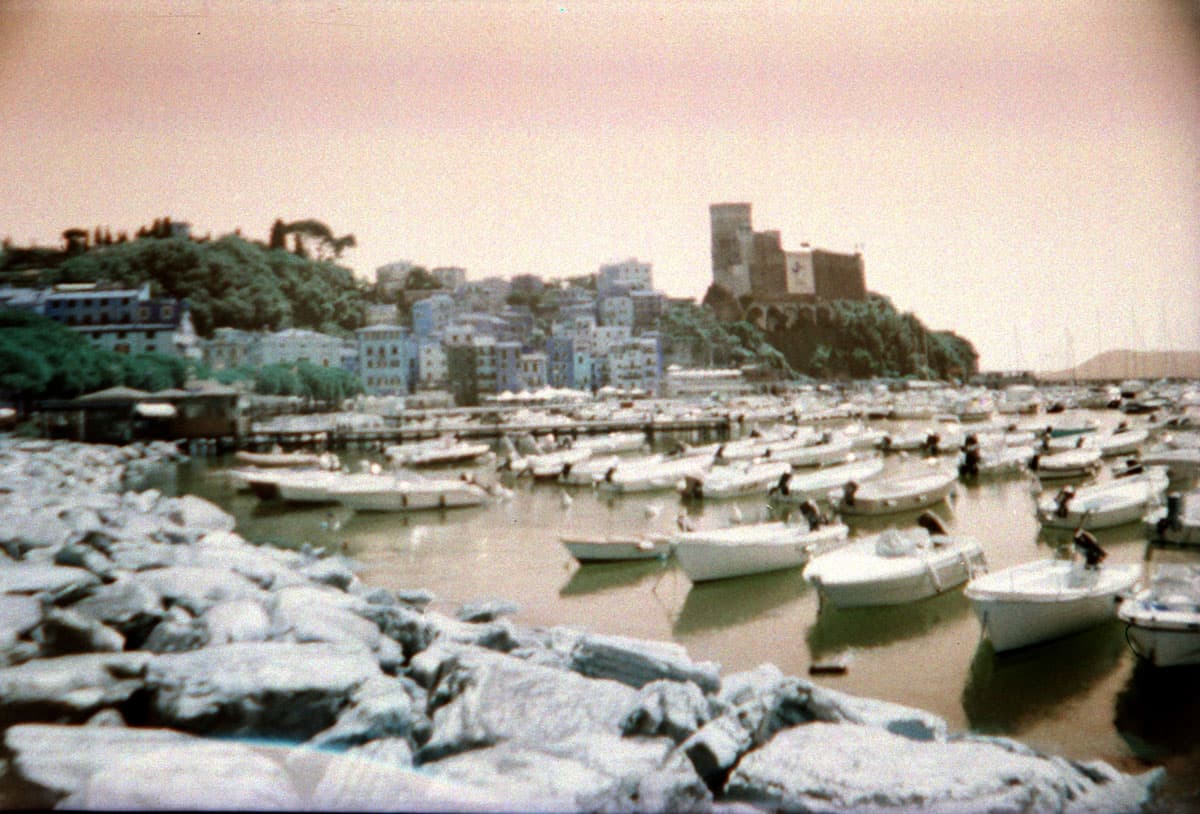
I’ve always enjoyed discovering new film stocks and using them in my landscape photography because they can give nature a unique, almost fantastical twist. One type of film I’ve used to create a more abstract, dreamlike look is the Lomochrome series from Lomography, particularly the Lomochrome Purple and Turquoise films.
I’ve used these films on many of my travels, and I’m always intrigue to see landscapes through a different color perspective because the tones shift in unexpected ways. For example, with Lomochrome Purple, anything green transforms into shades of purple, while Lomochrome Turquoise turns blues and aquas into warm gold or yellow tones.
Light is always key when working with these films—good lighting helps bring out their full potential and allows the colors to really pop.
Other film stocks I enjoy using are ones that include film burns or unusual treatments embedded into the film itself. For me, these effects add an extra splash of character to an image. That said, I also really appreciate a traditional 400 ISO color film—sometimes simplicity goes a long way.
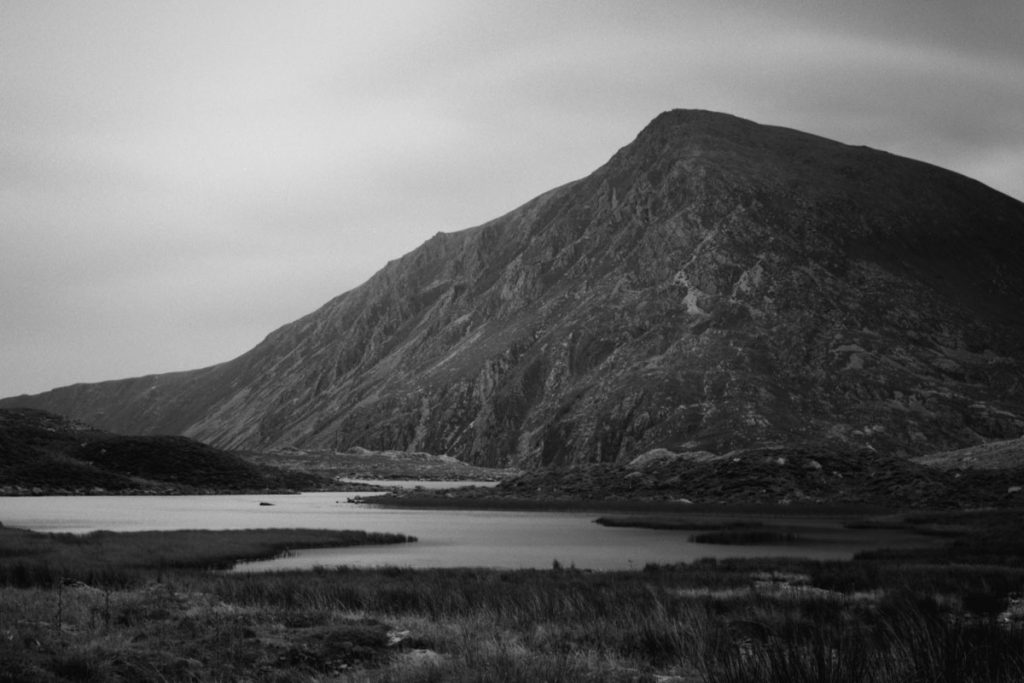
Black-and-white film can also look magical when used for landscapes. It highlights the complexity of light and shadow in a way that draws me into the image and allows the textures and contrasts of the environment to really stand out.

Incorporating Experimental Techniques
If you want to push into more abstract territory with landscapes, you can try film soup—treated film that produces surreal and unpredictable results. With this approach, you never quite know how the images will turn out, and some photo labs may refuse to develop it due to the risk of damaging their equipment.
Personally, I’ve never had issues with labs, and I find it to be a great way to create more abstract landscape images.
I also love using double exposures and layering shots to stretch and transform the landscape. Sometimes, I’ll take a shot and then flip the camera upside down for the next frame, creating a different perspective that emphasizes shape and composition.



Final Thoughts
What draws me to shooting creative landscapes is my deep admiration for nature and travel. Exploring different parts of the world with my film cameras in hand inspires me to see and capture landscapes in unique ways.
There’s a sense of freedom in it—no need to direct a model or interact with anyone else. You can simply exist in the moment. It becomes entirely your photo, your perspective, and your way of seeing the world, allowing you to discover and express your own creative vision.
Thank you so much, Angela! Angela is a regular contributor here at Shoot It With Film, and be sure to check out her other articles here, such as Why I love the Holga 120: Embracing Experimentation, Chaos, & Creativity and Lomo’Instant Wide Camera Review: Double Exposures, Retro Style, & Endless Creativity.
You can also check out more of her work her website, Instagram, and YouTube.
Leave your questions about shooting creative landscapes on film below in the comments!



Shoot It With Film on Instagram


Leave a Comment