

Today, we’re featuring a wonderful Florida Keys photo story from film photographer Caitlin Cisar. Scroll below to view the images and read more from Caitlin about exploring the Keys…
Analog cameras and films used: Minolta X-7A (Find on eBay) | Kodak Gold 200 (Find on Amazon), Lomography LomoChrome Turquoise (Find on Amazon)
Connect with Caitlin: Website
Film in the Florida Keys
By Caitlin Cisar
Flying with film means I always play the fun-time-at-airport-security-game where I ask them to handcheck my bag of film. Honestly, it’s a bit of a hassle for everyone so I get it; but this trip I tried something different. I pre-purchased my development and brought a bubble mailer with me so I could drop it in the post-office before catching my flight back home.
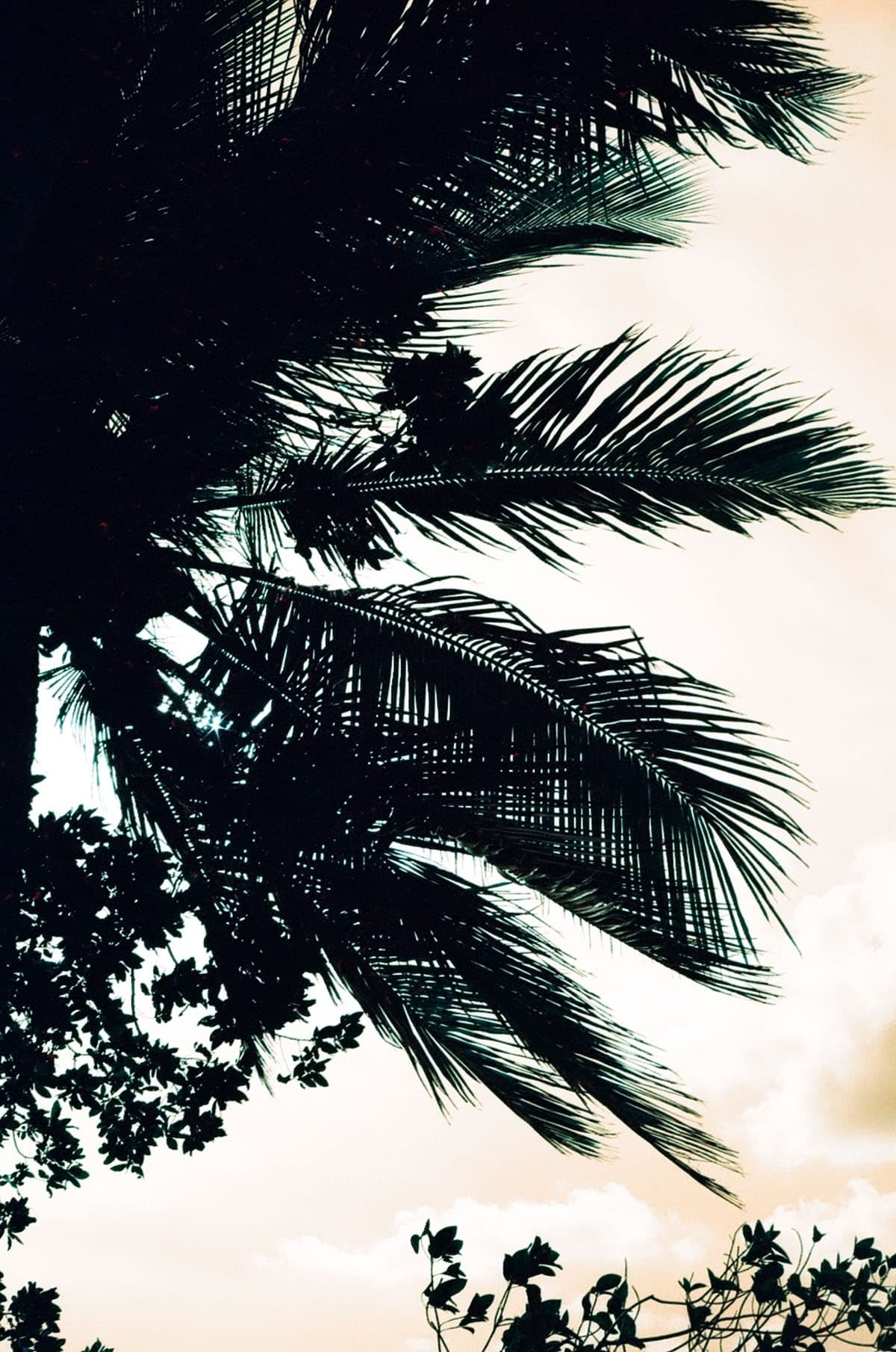
I headed to the Florida Keys with a roll of Kodak Gold 200, LomoChrome Turquoise 100-400, and my trusty Minolta X-7A + Minolta 50mm F/2 lens. Part of why I love shooting film is because I love the simplicity and tactile experience of this camera and lens. I zoom with my feet, manually set the exposure with my in-viewfinder meter, and hold my breath when the shutter speed is low.
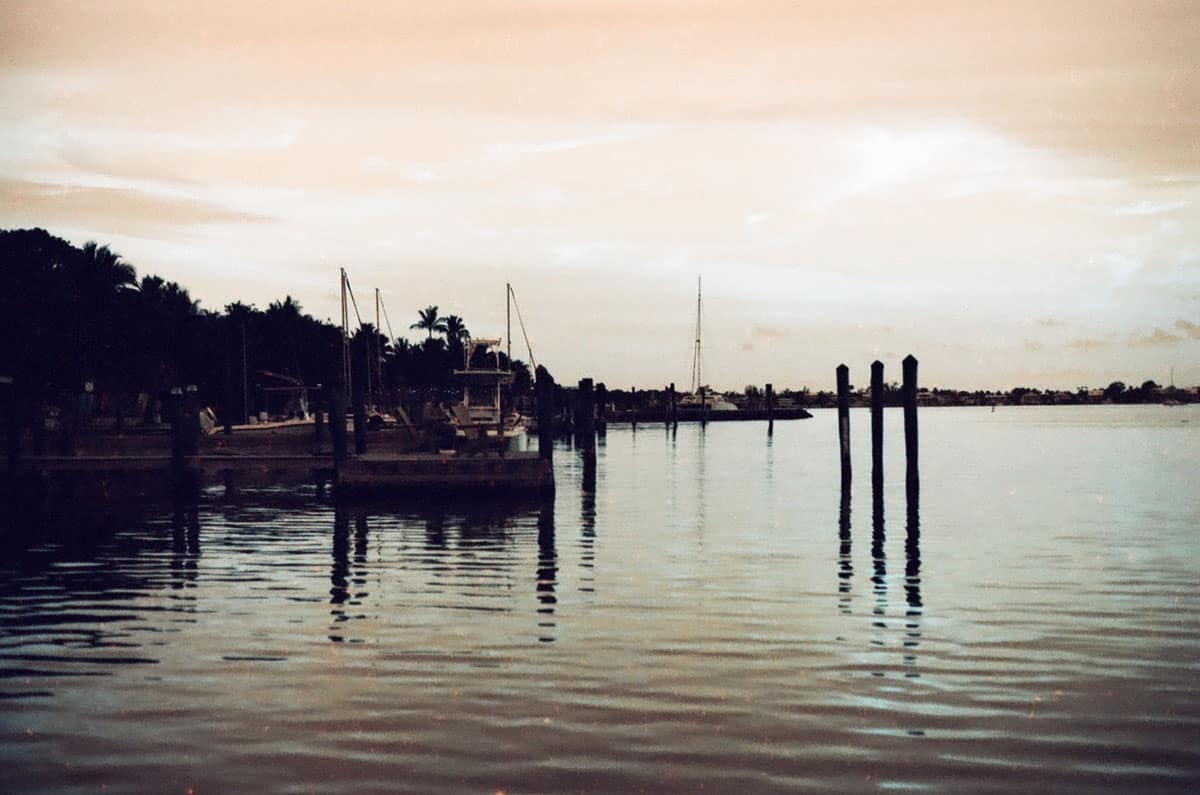
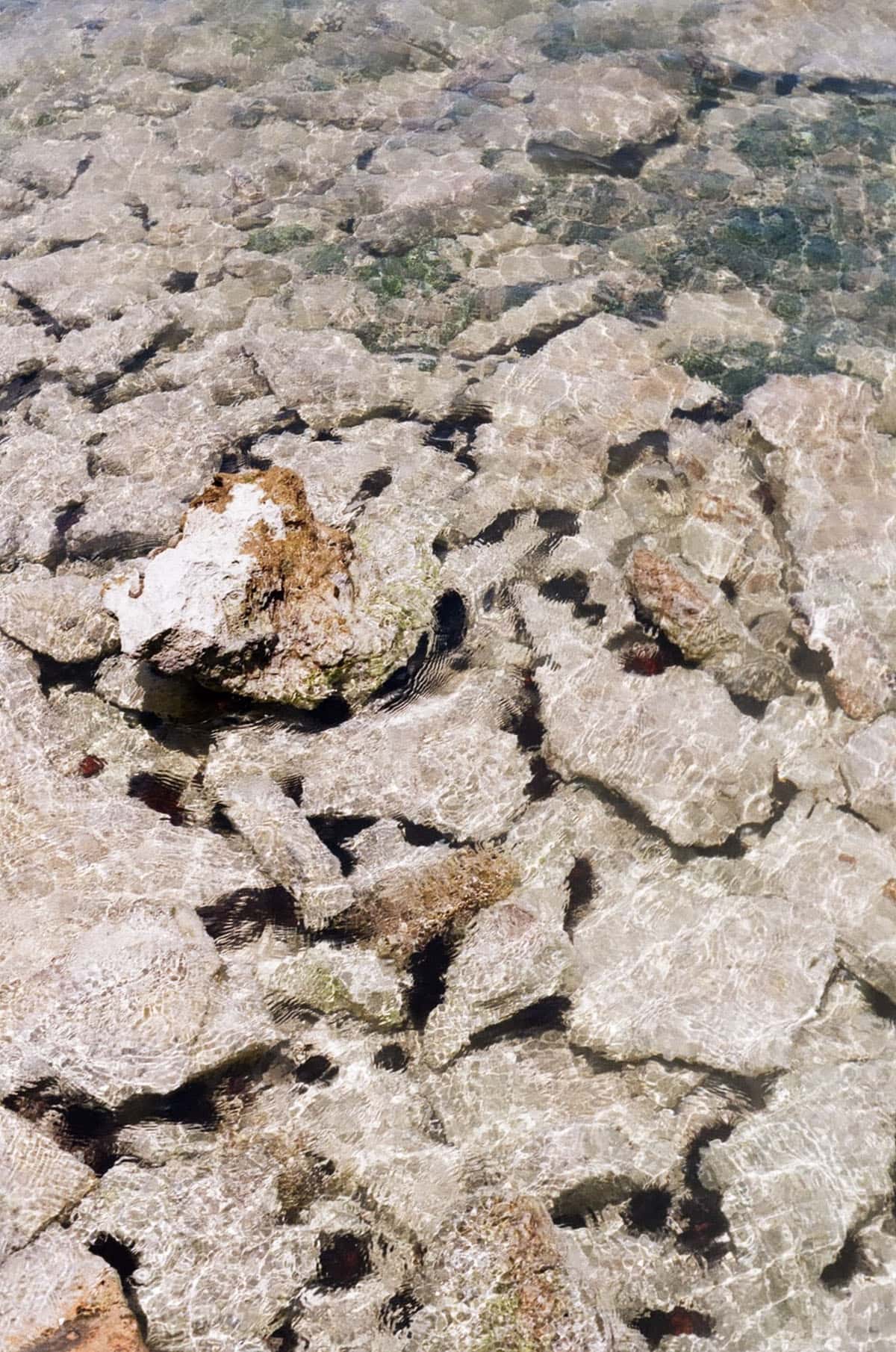
I also love to try experimental stocks, which is why I included a roll of Turquoise in my bag. I started in Key Largo (the top island of the Keys) and chose ISO 400. I am always pleasantly surprised with color shift film; while I know things will be different, exactly which other worldly effects are a fun surprise. Jurassic Park vibes were not on my radar, but I love the result!
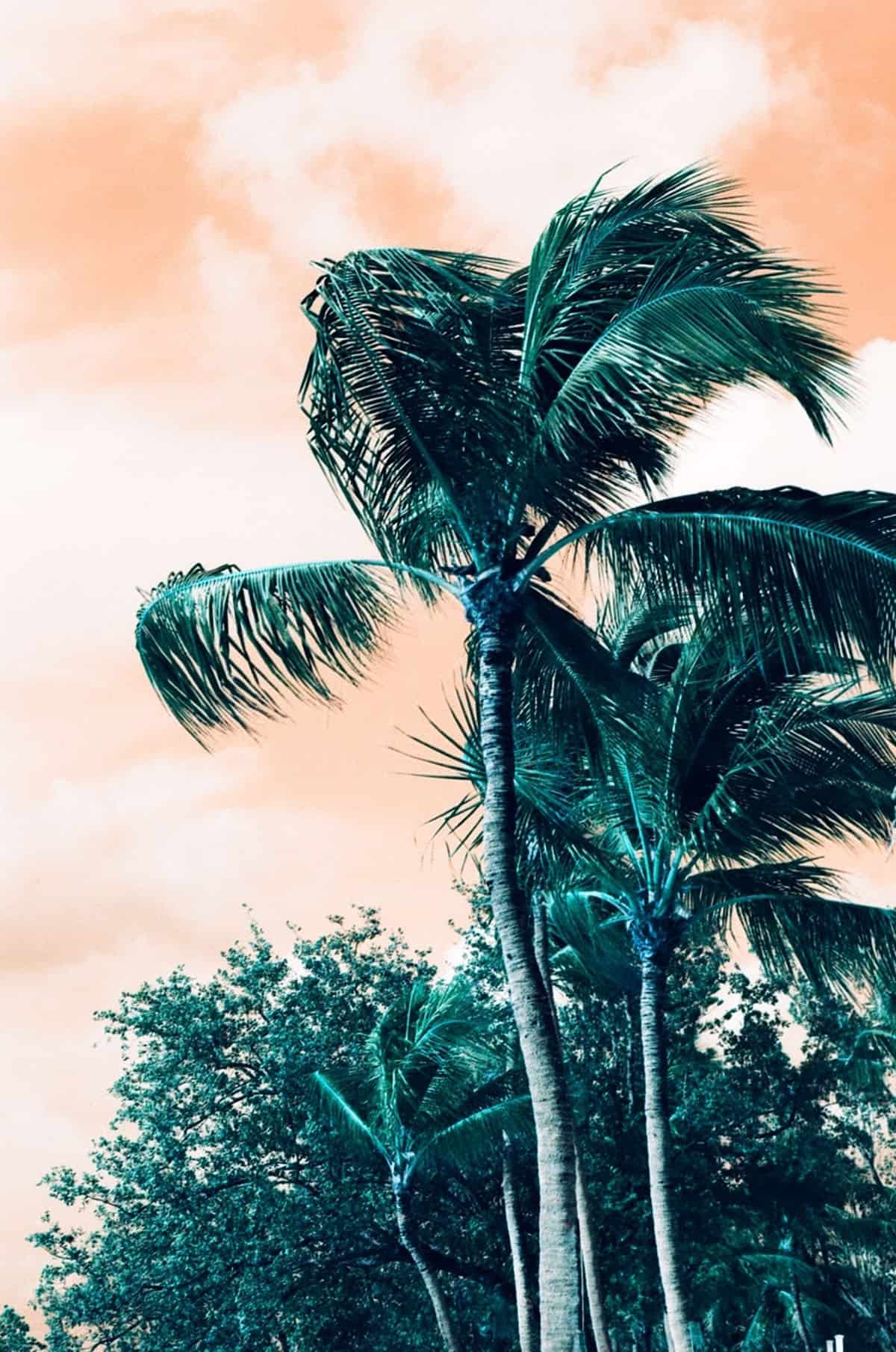
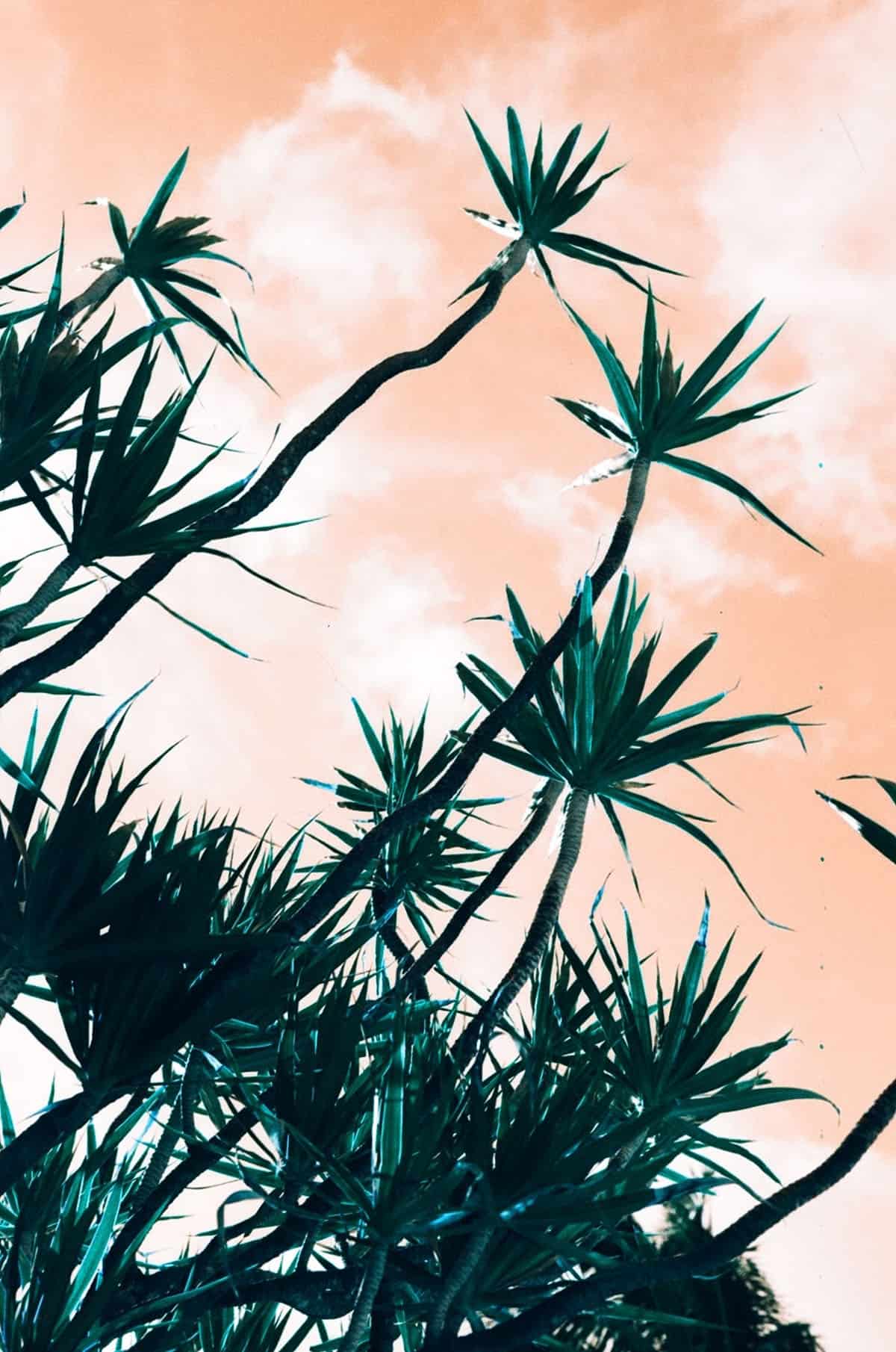
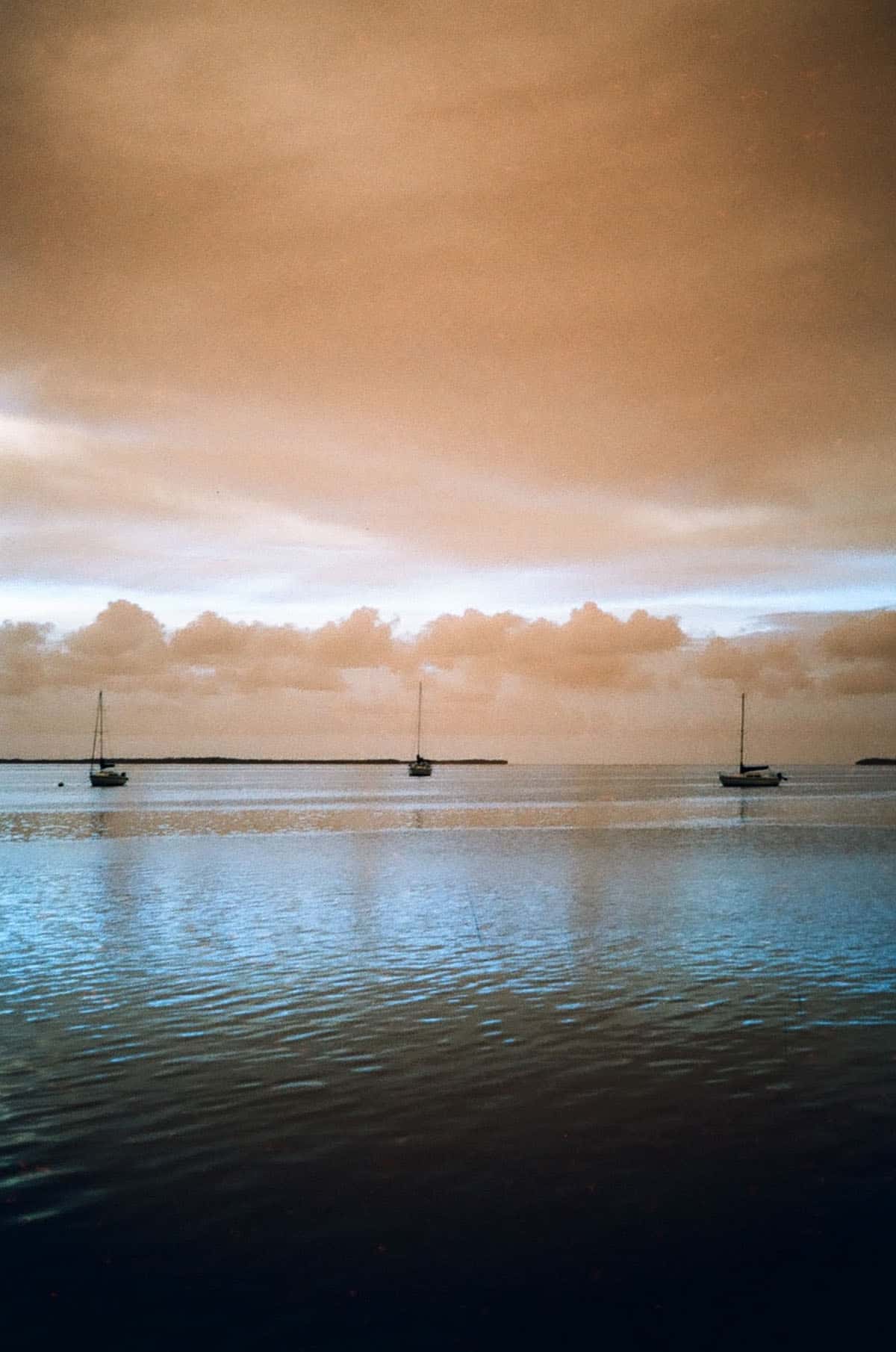
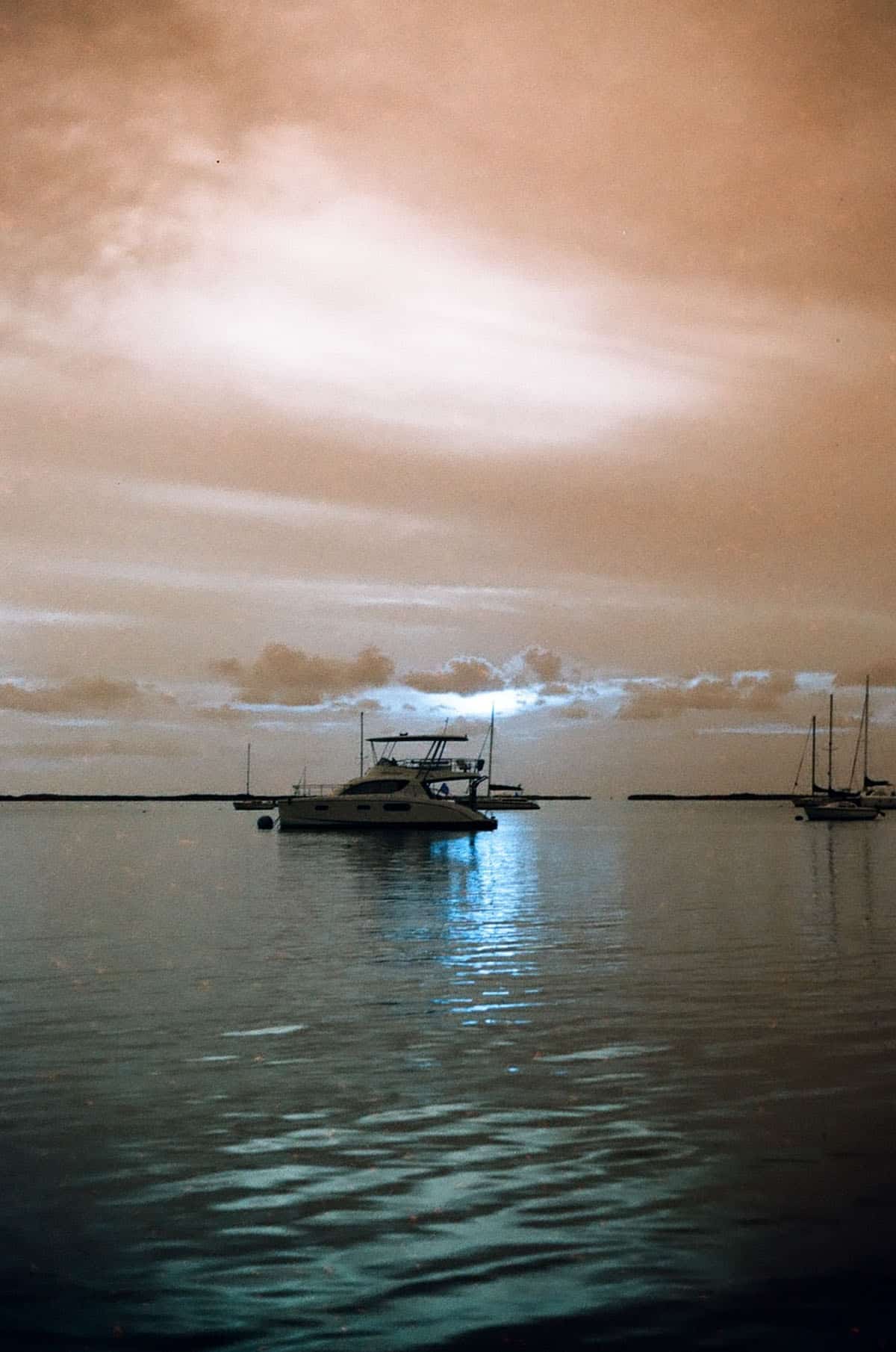
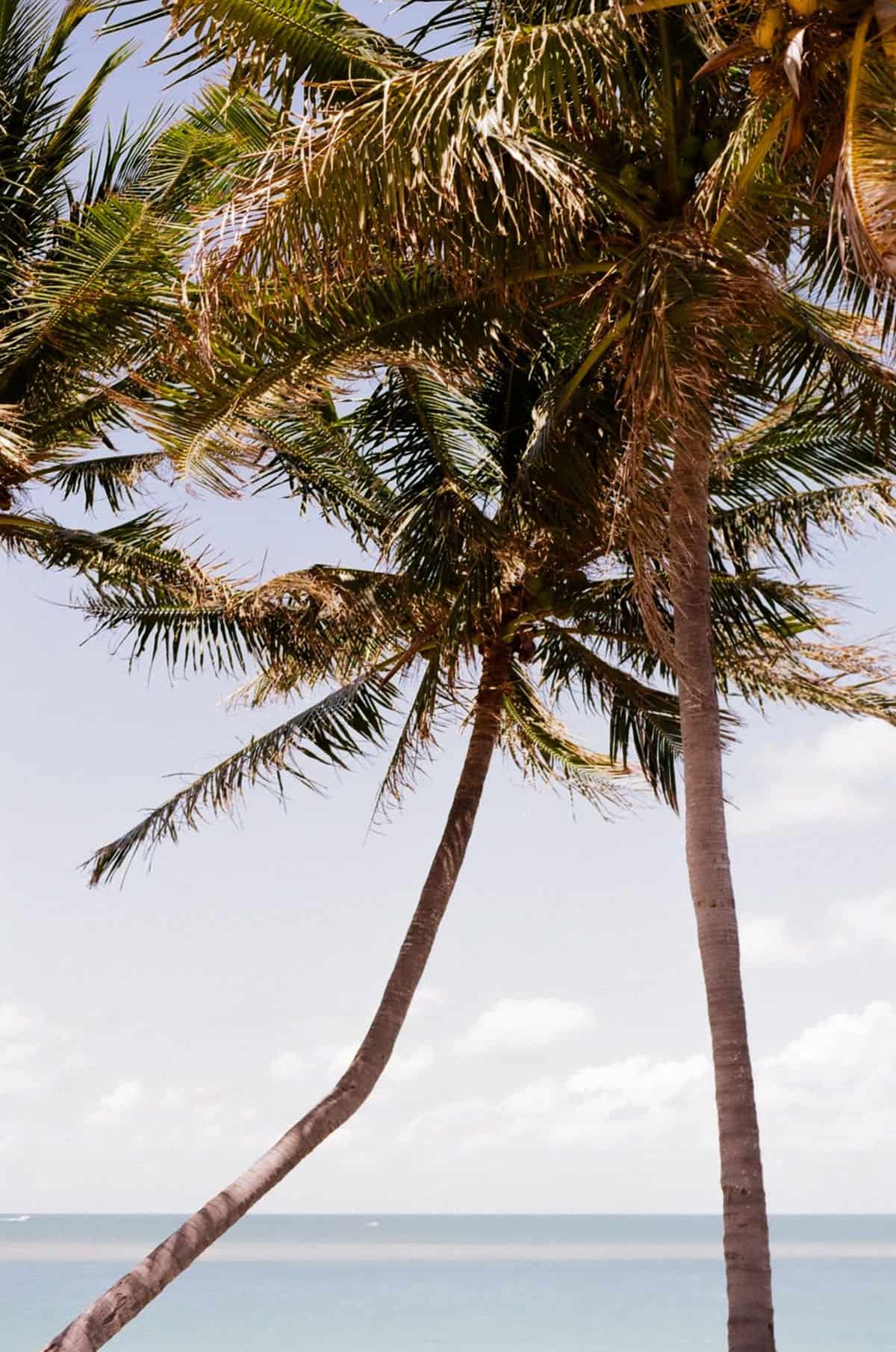
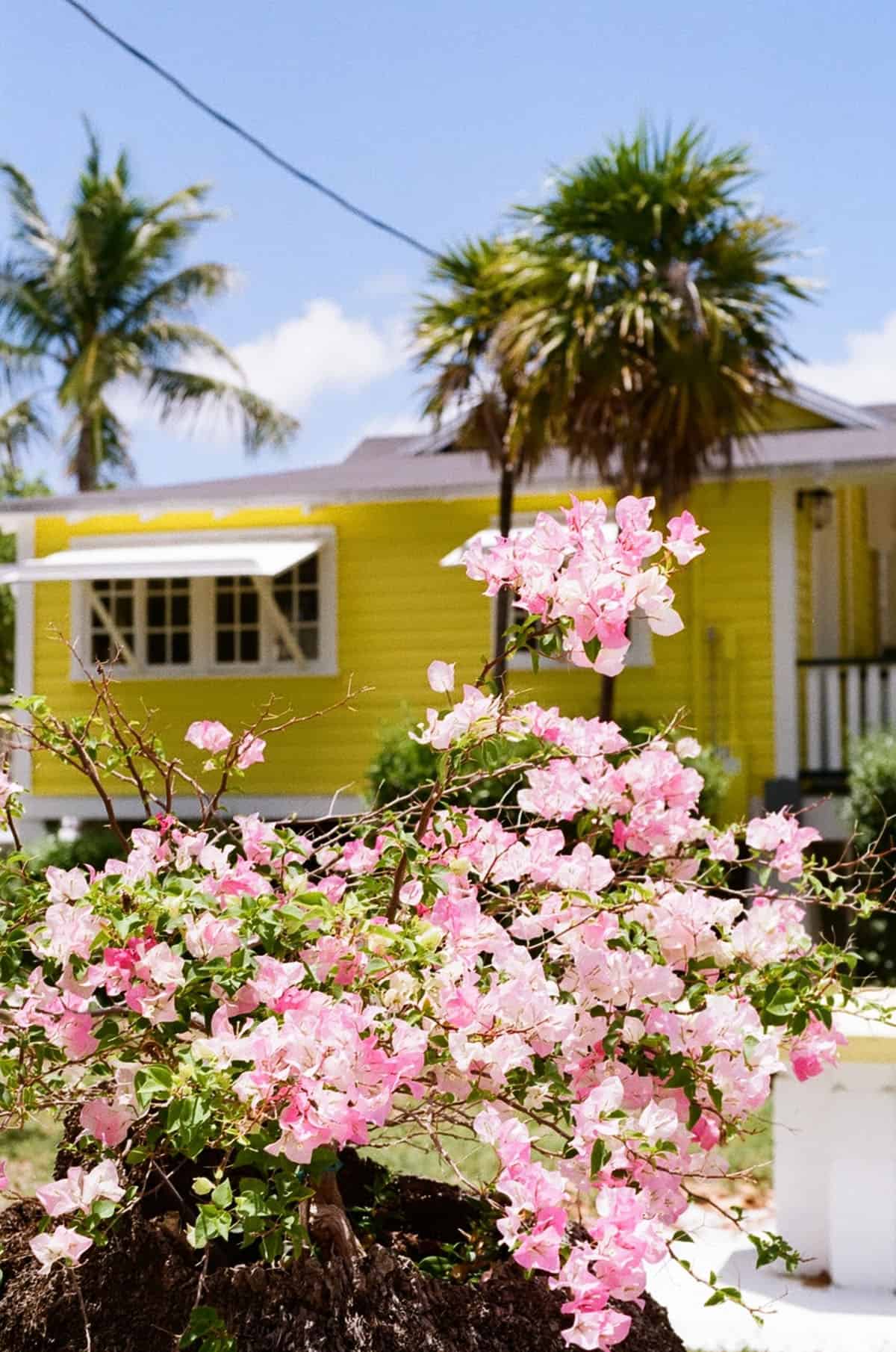
Kodak Gold is my everyday film stock otherwise, and I figured it would be especially nice for some leisurely travel photos in a tropical setting. There’s something already warm about both the color and contrast combination, and it can really work for a range of situations. I loaded this next and headed south.
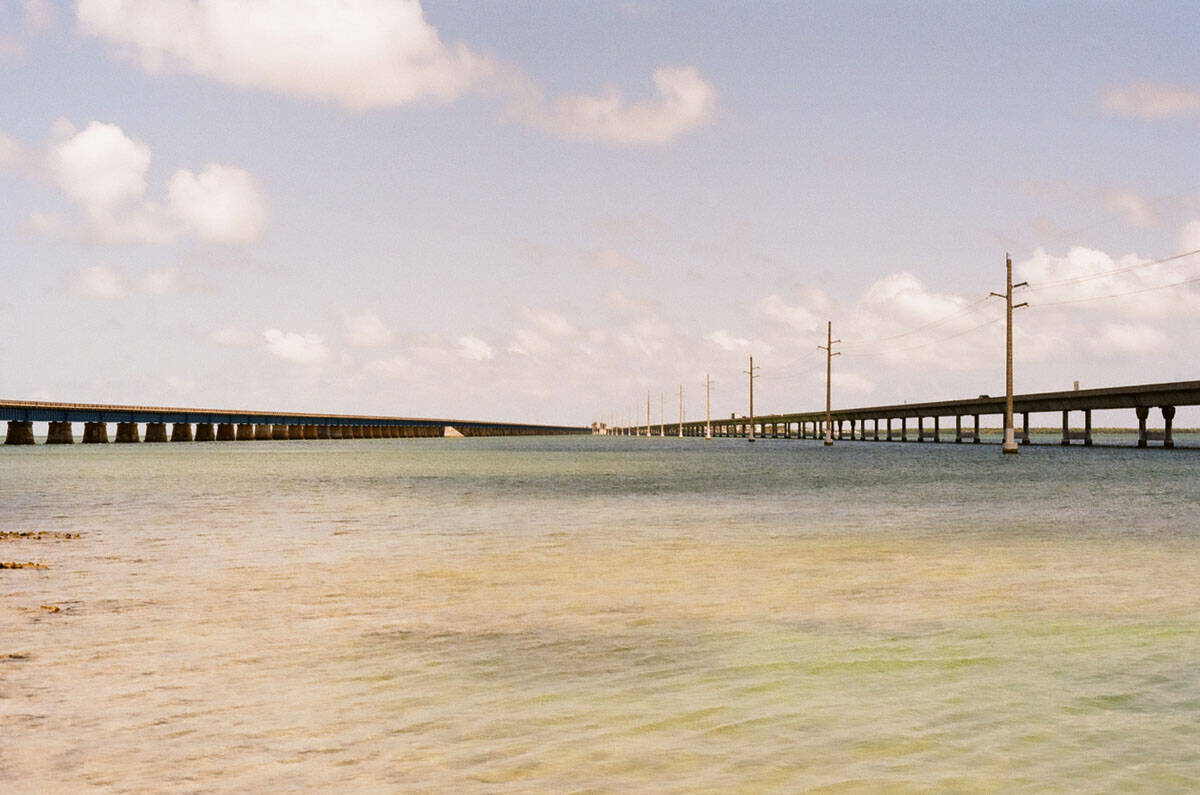
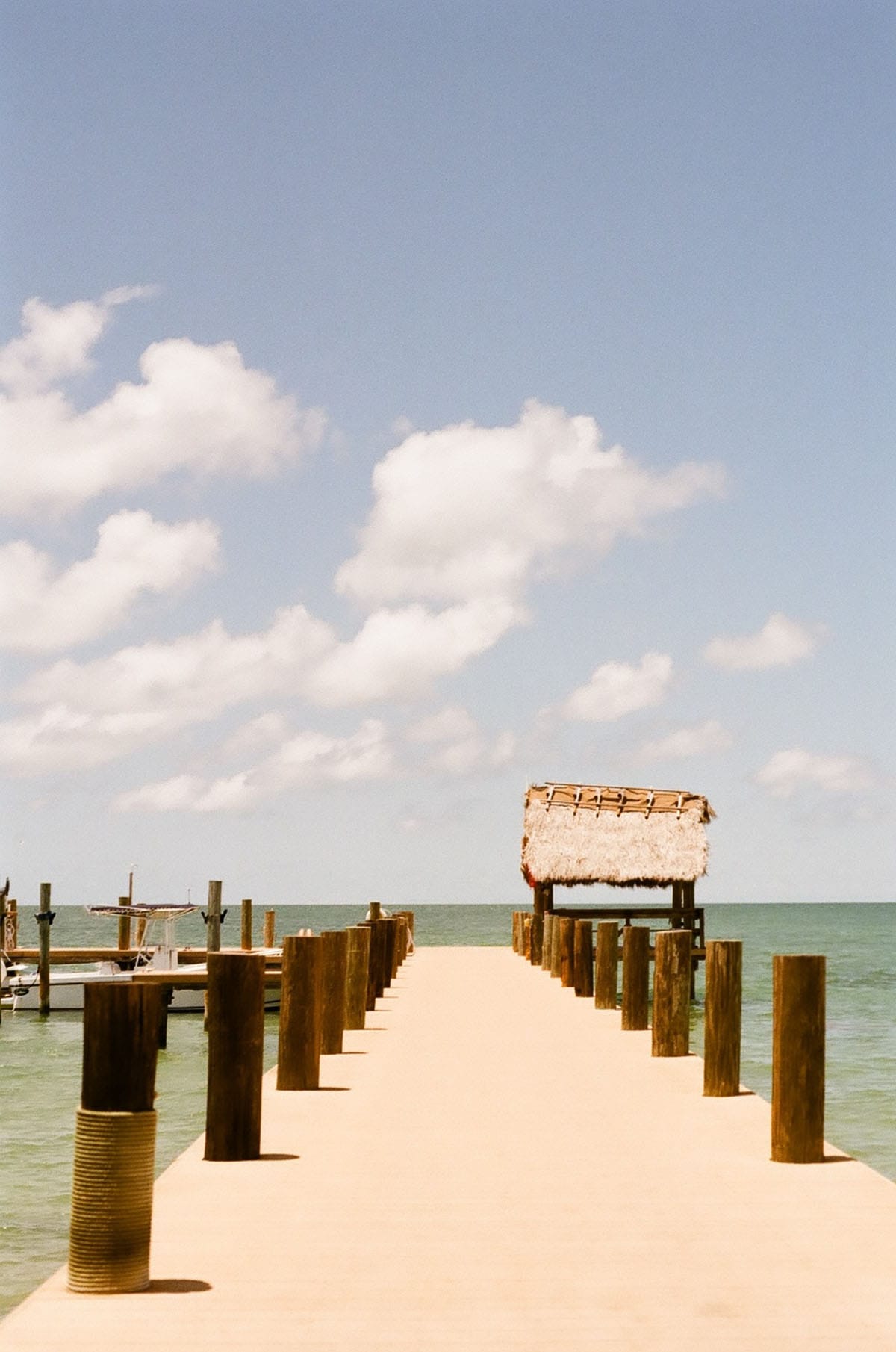
The Florida Keys have a rich history. A must-do for history buffs is a stop at Pigeon Key, which is accessible by walking, bicycle, or tram across the old Seven Mile Bridge. Renting bikes made the 4-mile trek a breeze (literally) which was a nice reprieve from the heat.
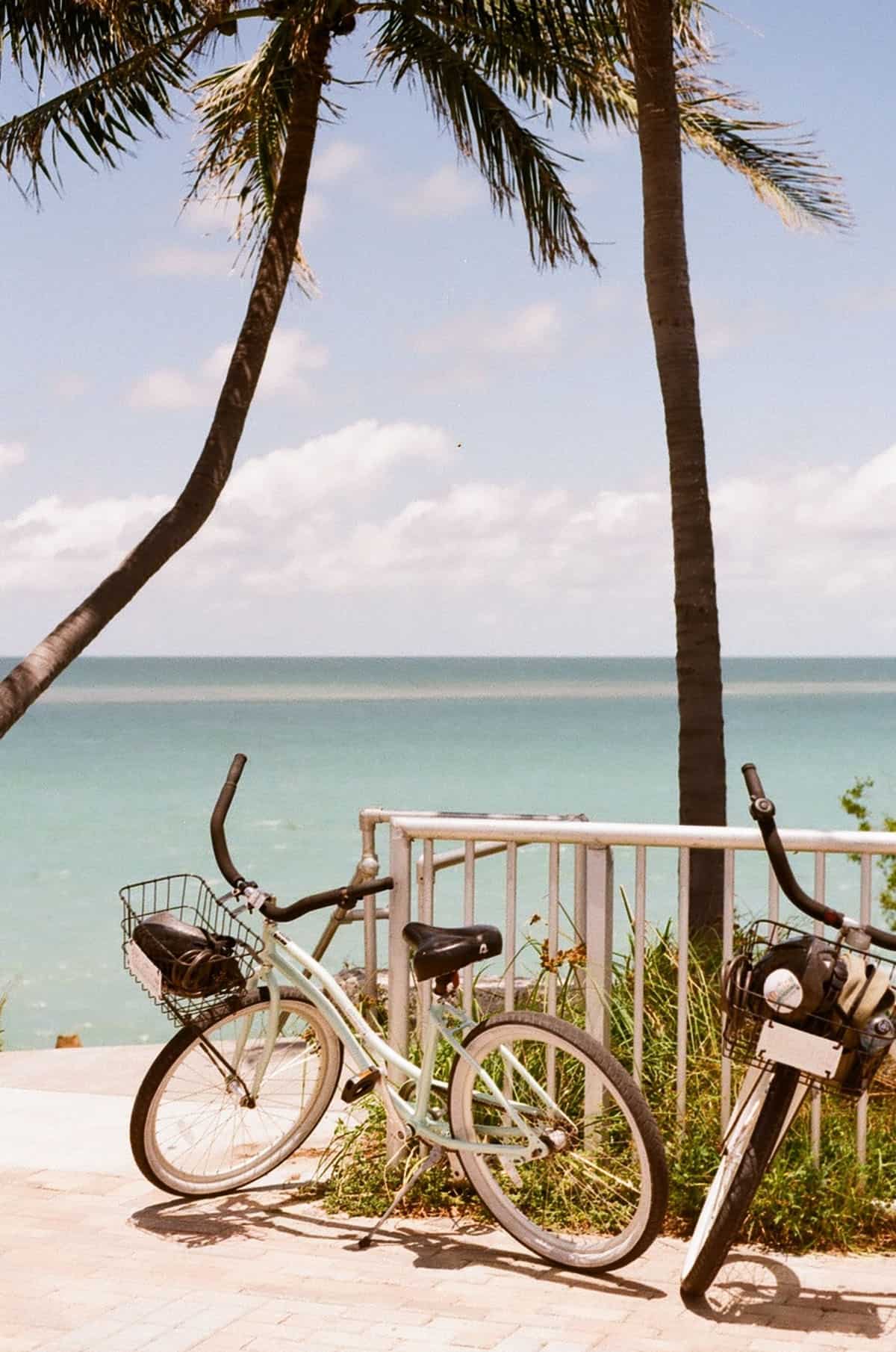
Upon arriving at Pigeon Key, there is a small fee to explore the island. You get access to bathrooms, a gift store, a museum, and if you time it right, you can see the shark feeding.
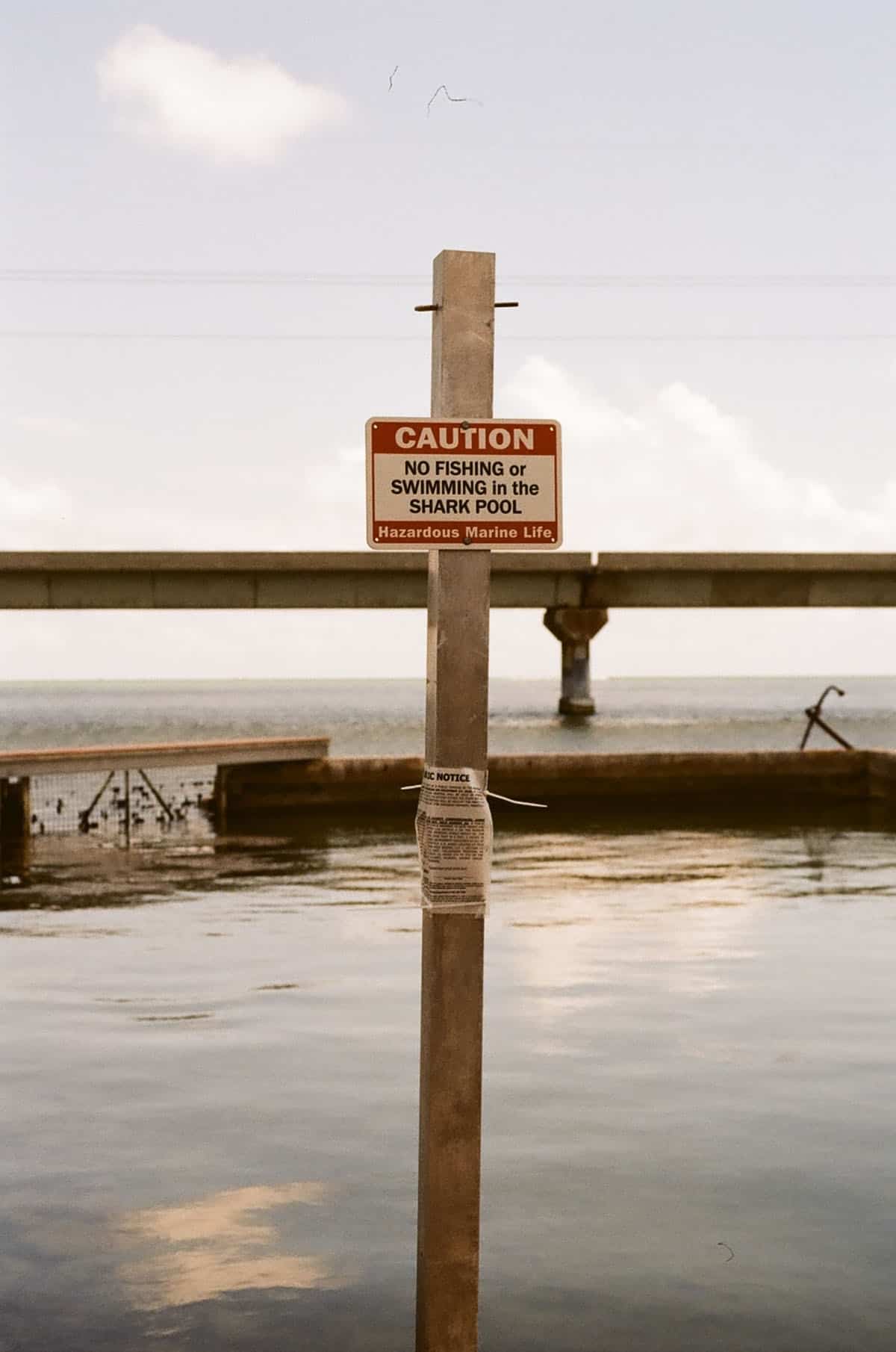
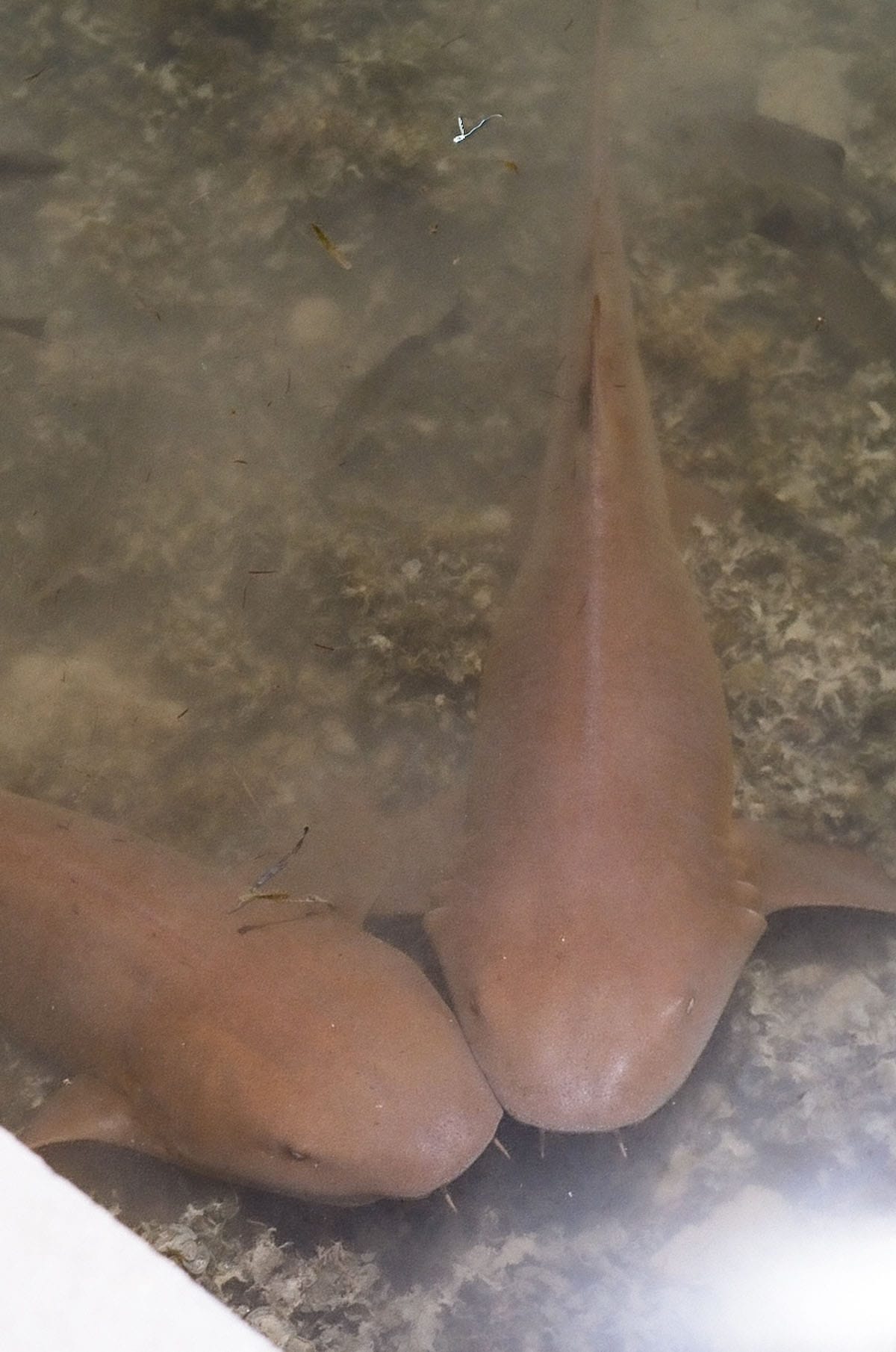
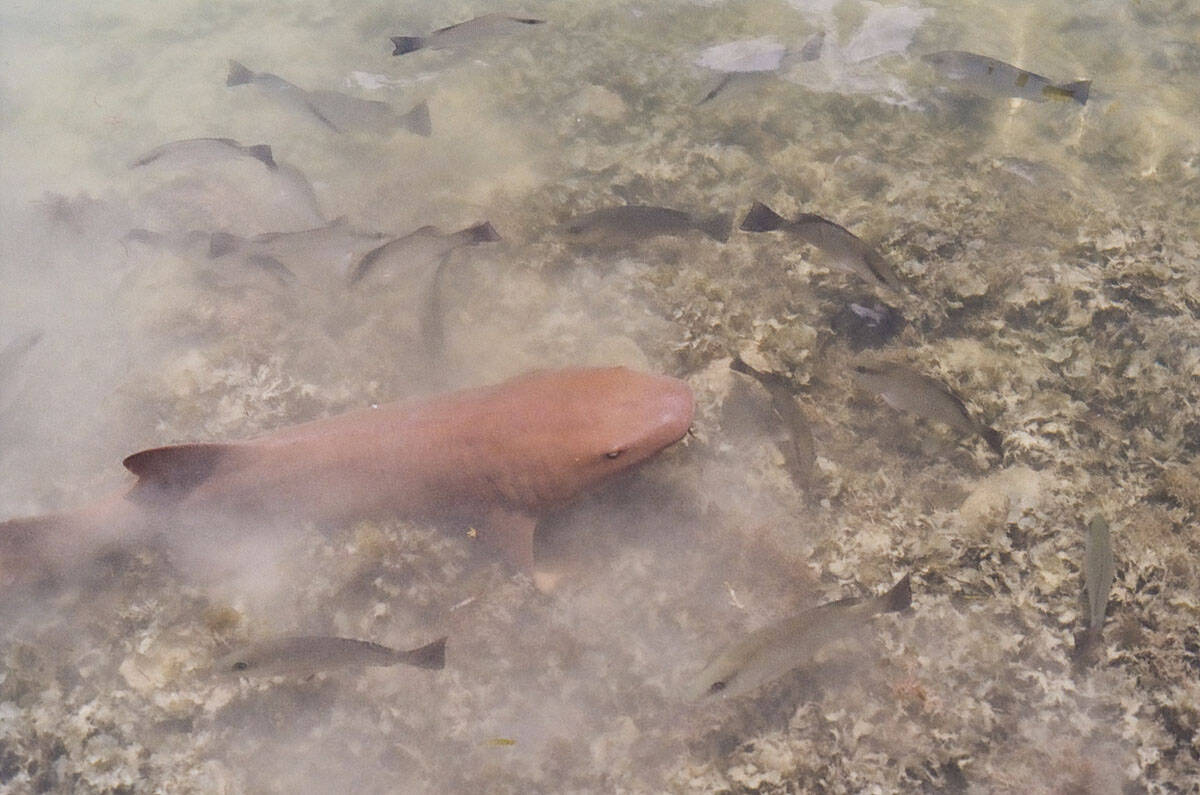
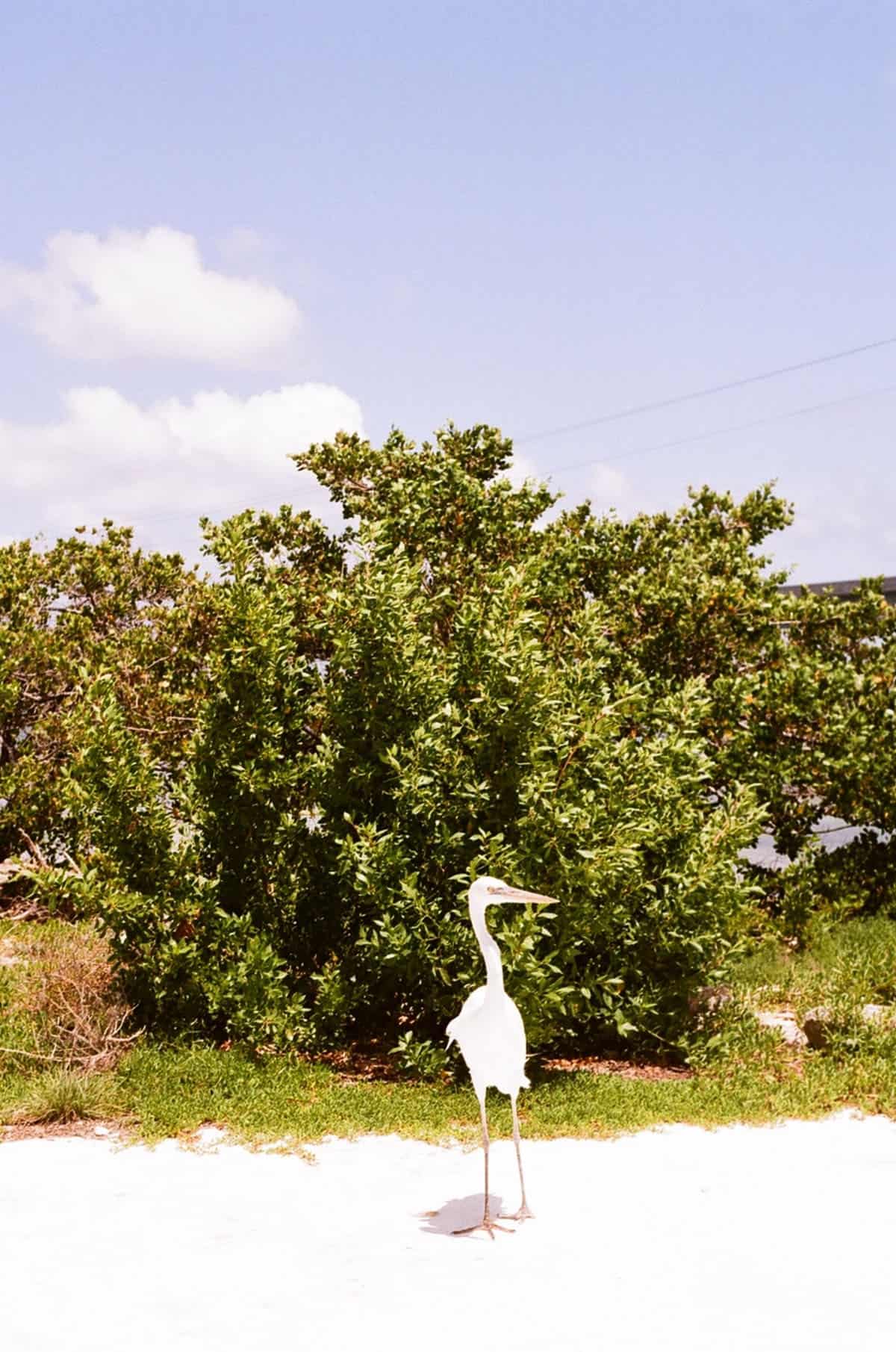
The story goes that the pool used to be for humans—those who worked on the bridges and railways. Eventually it was taken over, and the new owner removed a corner to accommodate boat parking. Sometime later, with the current ownership, the pool is now home to sharks and fish exclusively. Every month the gates are opened and the sharks can swim out, however, they always return, likely because it is a safe home for them. Edgar (the bird) also lives on the island full-time.
Heading further south to the bottom of the Keys is Key West, which has the famous (and busy) Duval Street filled with restaurants, bars, roosters, and beautiful architecture. A stroll that is worth a few shots on Gold around sunset.
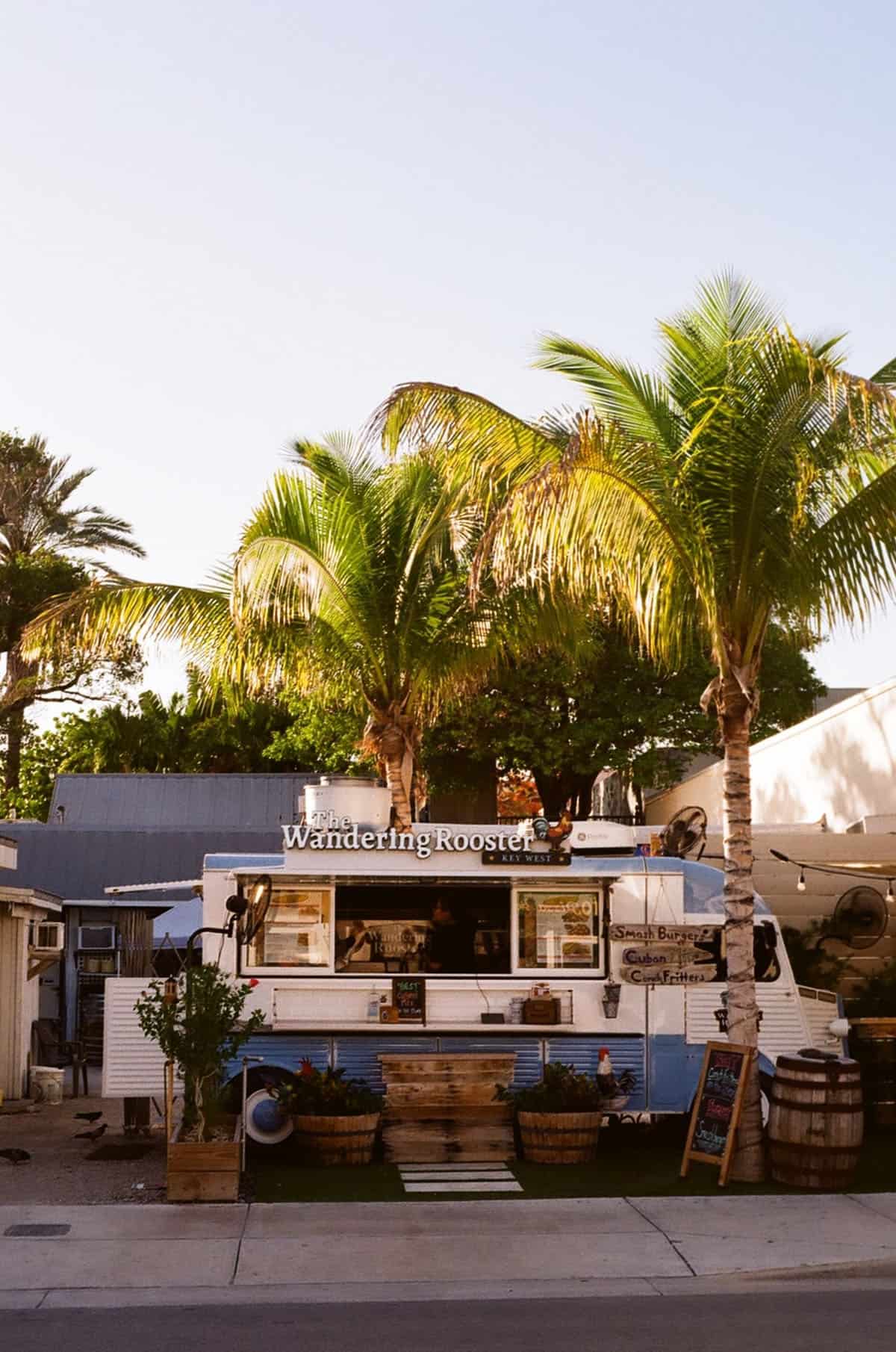
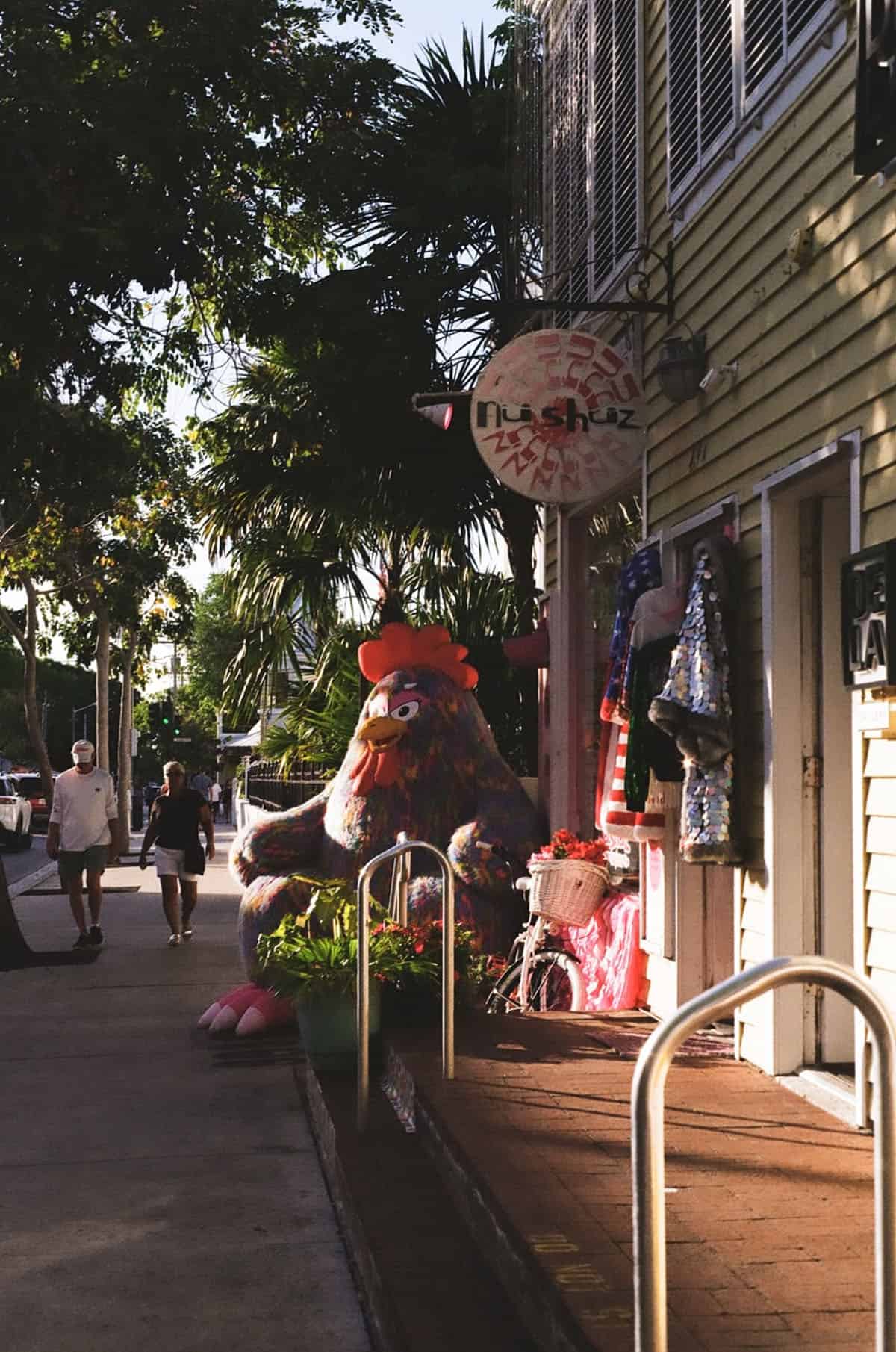
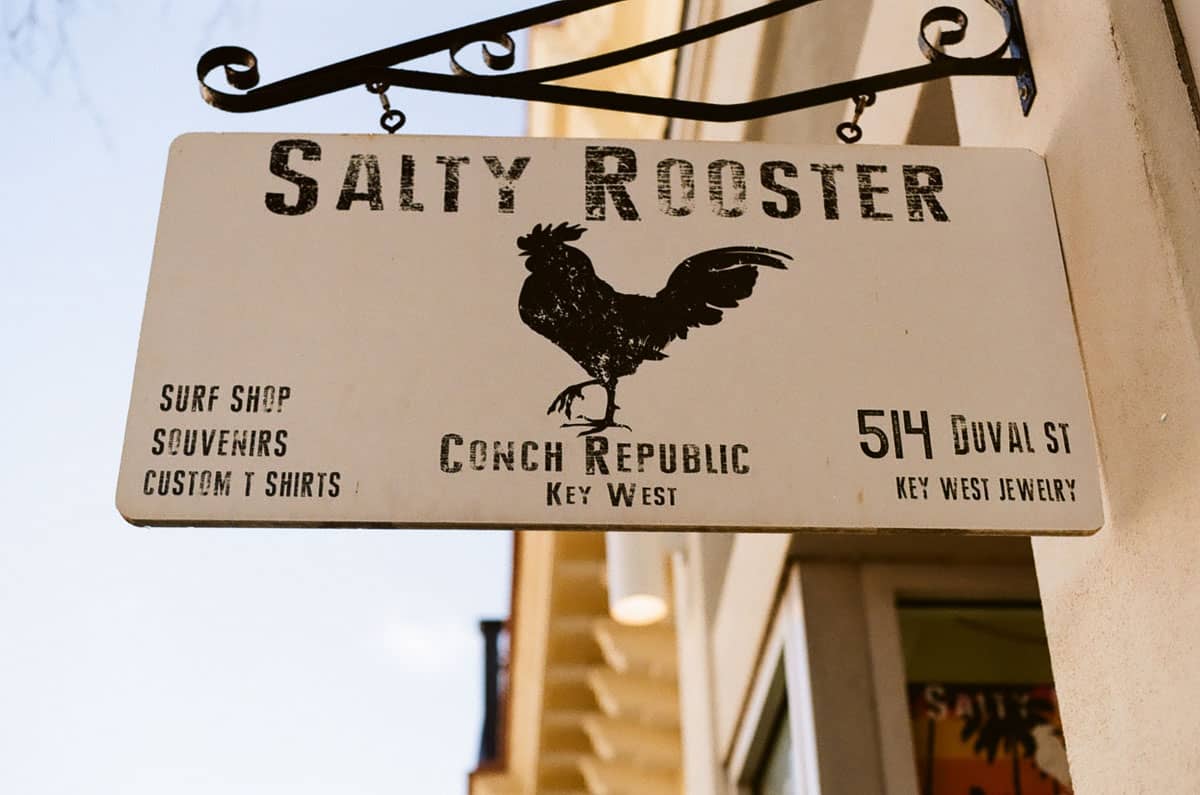
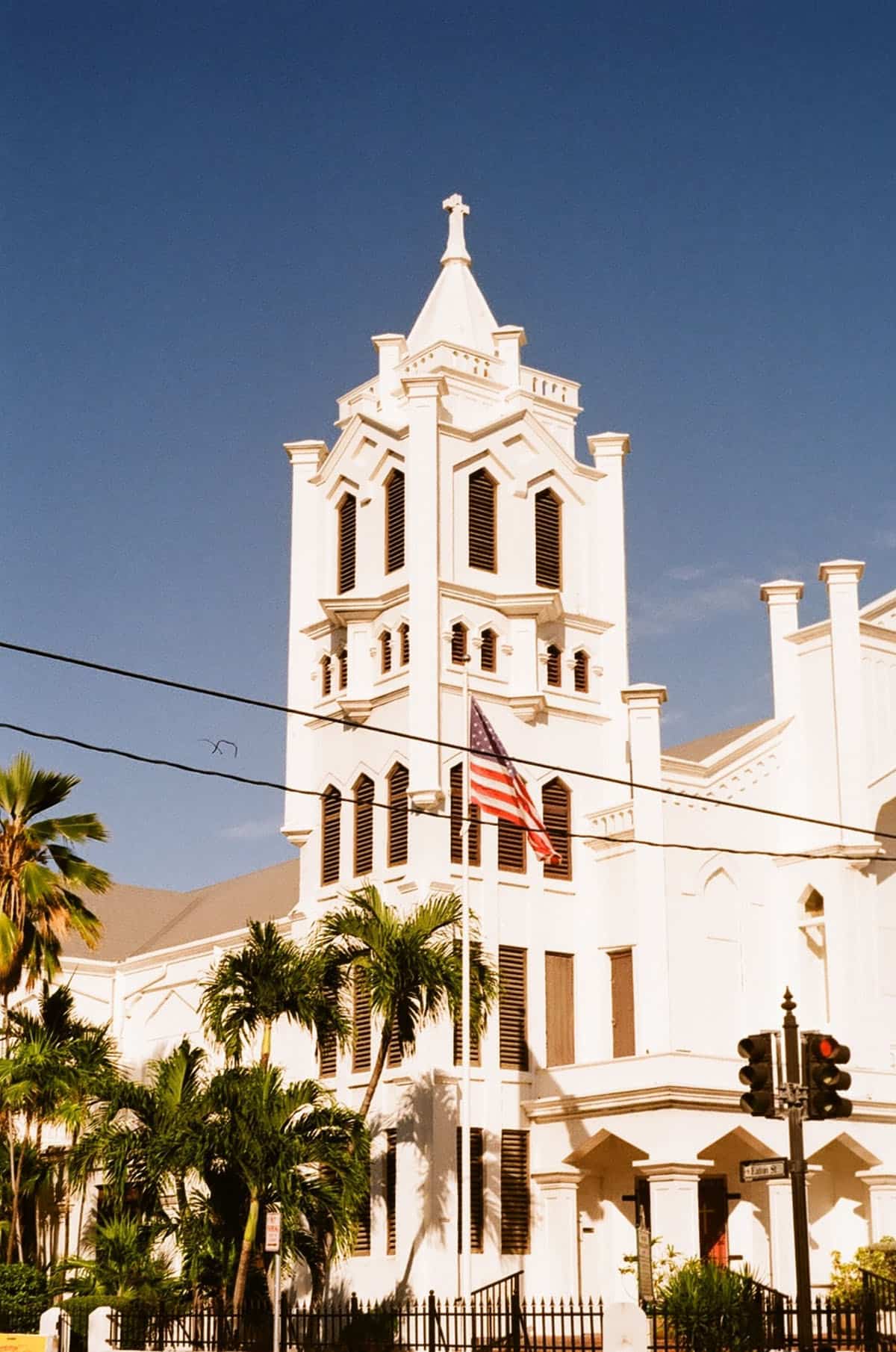
After finishing the film rolls, I dropped the mailer off at a post office and hopped on my flight care-free. A week later, the photos were in my inbox. This was nice not only to avoid traveling back with the film and then deal with packing it up, but it also motivated me to truly “shoot it with film.” Having a deadline and mission made me excited to spend time taking photos as one of my travel activities. I’ll definitely be doing this method again and am excited to try out different stocks in new locations!
Check out all of our film photography features here, and if you want to have your own film work featured on the site, view our submissions process!
Leave a Comment
Shoot It With Film on Instagram


Blog Comments
John Smith
September 2, 2026 at 5:48 pm
Loved this Keys story, Caitlin! The pre-purchased development plus bubble-mailer drop at the post office is such a smart fix for the airport hand-check hassle — flying home with an empty bag beats sweating X-ray machines every time. Great to see LomoChrome Turquoise getting some love too; the color shift on the water and old bridge shots really does give off those Jurassic Park vibes. One question: when you rated the Turquoise at ISO 400 in Key Largo, did the lab push it, or did the palette come straight off the scan? Planning a similar Keys run this winter and deciding between it and straight Gold 200.