

Written by Anna Roesch
Before I became a professional photographer, I worked as a journalist. One of the most important lessons I learned is this: what takes an article from good to fantastic is having the courage to cut the parts that don’t belong.
And it’s also often the most difficult thing to do.
It’s hard to press delete when you’re emotionally attached to what you wrote. It’s not always immediately obvious what is important enough to stay and what needs to go. And it simply feels better to create than to remove.
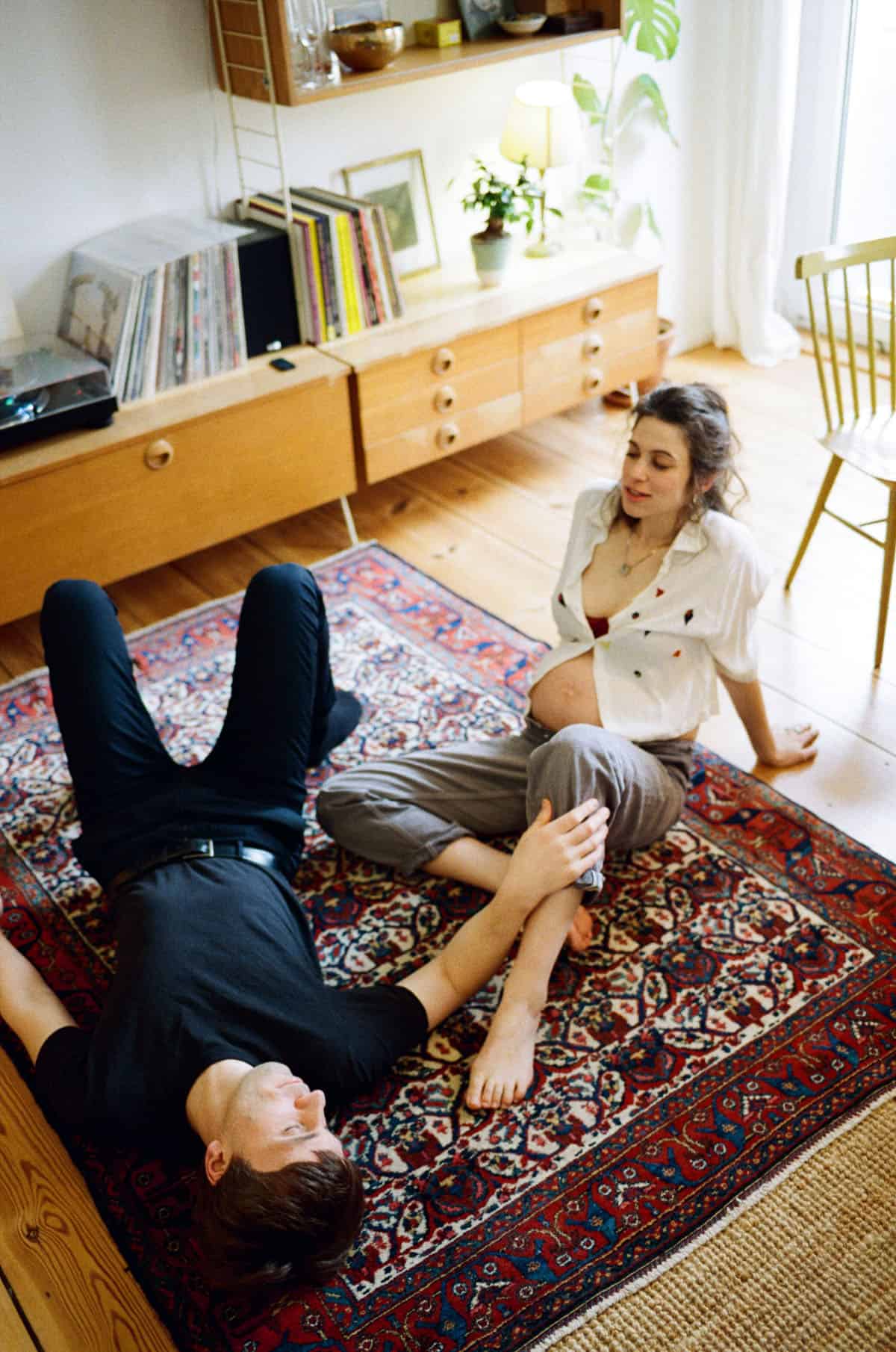
The Art of Culling Your Work
Photography works in a similar way. When we photograph, it’s about creation. But once we want to get our photos out into the world, it quickly turns into a process of elimination.
Culling our work is a skill that’s almost as important as taking good pictures in the first place. And when I mentor photographers, I notice that it’s a skill many struggle with.
We constantly need to select photos: for our website, for a client gallery, for pitching our work or submitting for publication. I approach each one of these slightly differently and make different choices. Today I want to focus on submitting a portfolio of images for publication: I find it one of the most challenging but also most interesting tasks.
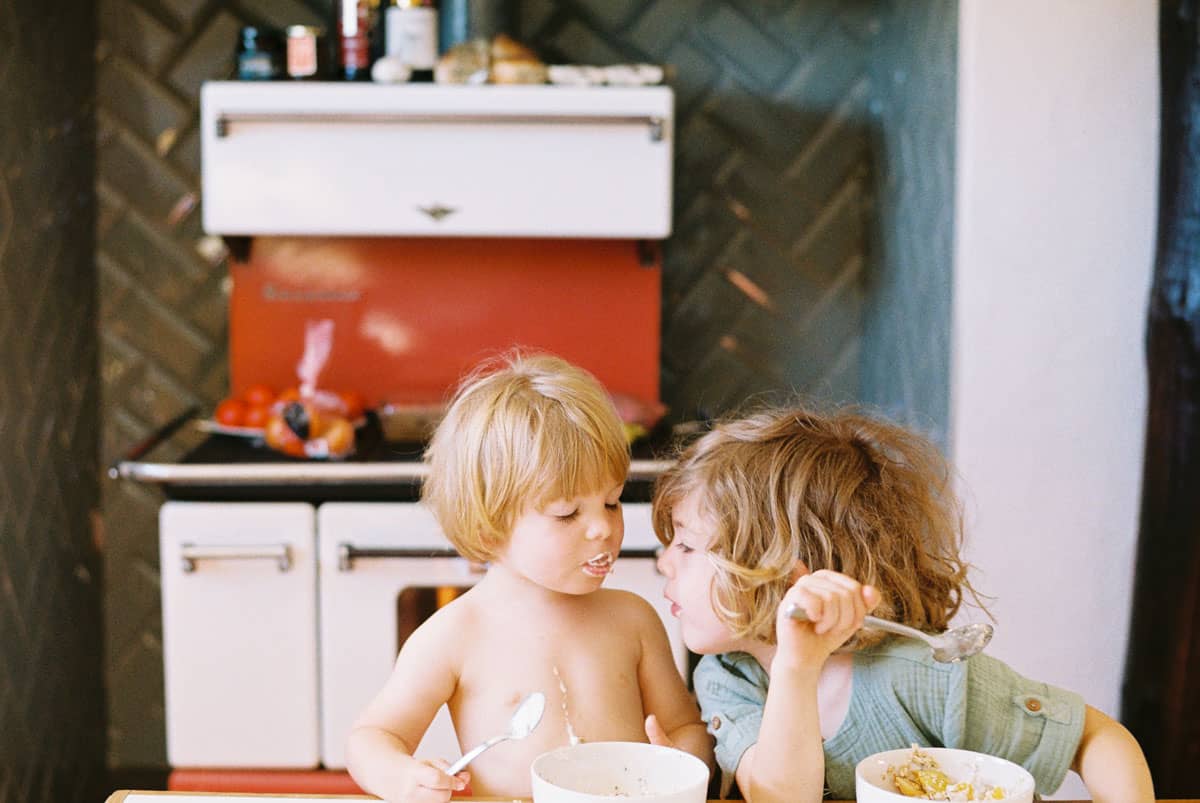
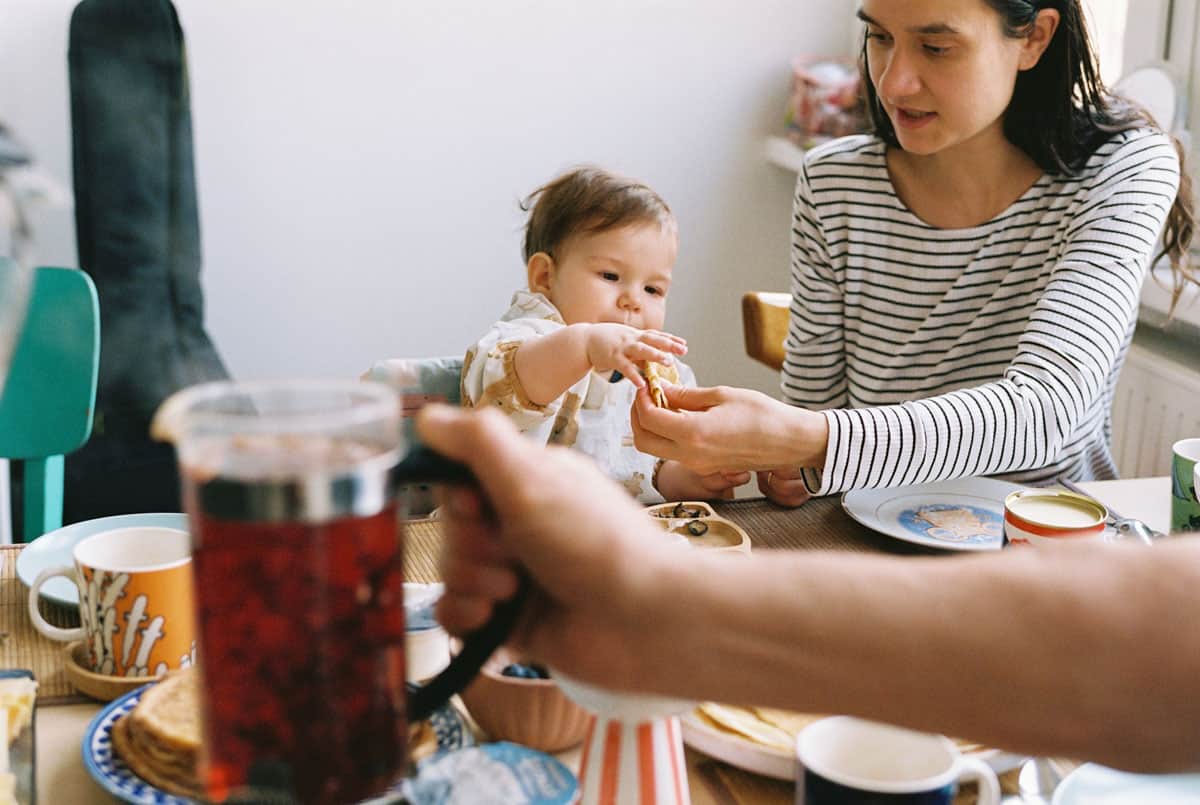
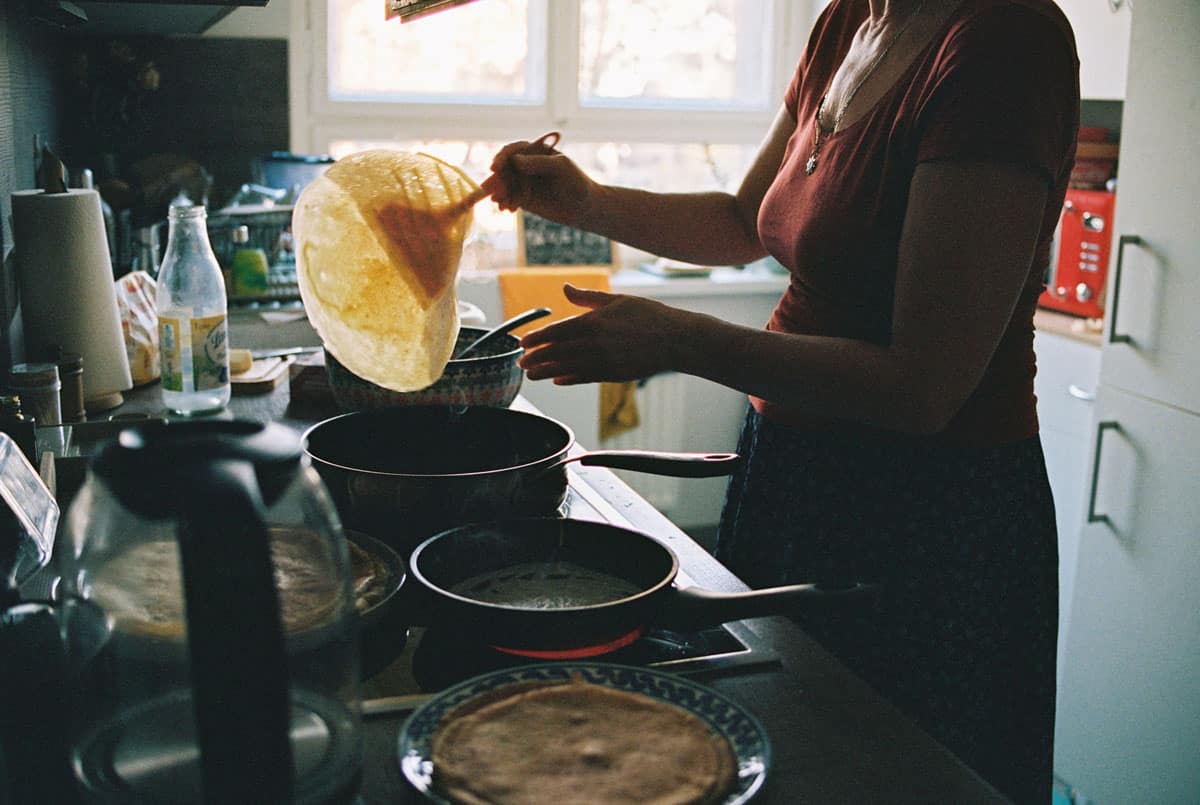
My first submissions for open calls were rejected. Partly because my work was not yet at the right level, but also because I hadn’t really put much effort into selecting photos. It was more a case of “let’s throw together some pictures that I like and hope for the best.” Turns out, that was not enough.
Since then, I have been named one of Heartful Magazine’s “Ones to Watch,” have won an Analog Sparks award, two honorable mentions at FotoSlovo, and have had my work published several times. It all happened because I made good work, but also because I started taking the process of putting together submissions much more seriously.
So here are my thoughts on how to make a great submission for a publication or an award.
First Things First: Learn to Spot Your Best Work
It All Starts with Other People’s Work
If you want to learn to spot strong images, you need to look at lots of photographs and understand why you are drawn to some of them but not to others.
Ask yourself: what makes you pause and look at a photograph longer? Is it the light, the composition, the use of color, or a certain technique?
A lot of how we perceive art is about feeling. I find it very interesting to investigate how a certain feeling is created. It’s not about copying the work but about training your eye to see what makes a good picture – for you.
And for the love of God, it’s so much better to look at photographs on something other than a phone screen. My personal favorite is photo books (my wallet is not happy about it but my soul is). Photo exhibitions, magazines or photography websites that you look at on your desktop are all a much better way to study images than a tiny phone screen.
And yes, it’s also important to take breaks from looking at other people’s work and focus on your own, but that’s a conversation for another time.
Intuition vs Logic
When I select photos for whatever purpose, be it a submission, my website, or a social media post, I always do several rounds. The first one is always purely intuitive. Does this photo make me feel something? Then it’s a yes for now.
Intuition is hugely important in how I photograph and in how I look at photos. Photography is an art and great art speaks to our feelings. The trouble with looking at our own work, though, is that it’s often hard to separate the emotions that come from the moment we took the photograph from the emotions the photograph actually conveys.
So after the first selection is done, I go through everything again and I ask myself: do I feel something because the picture transports me to a certain moment, or is it actually a good picture? That’s where I set intuition aside for a second and actually analyze the photo.
Is the light interesting? Is the composition strong? Are the technical things, like exposure or focus, how I want them to be (they might not be perfect – but then the imperfection should bring something to the photograph, not just be a mistake)?
It’s not about ticking boxes but about finding elements that make the photograph impactful – or not. And if what I find is not enough, I remove the photo from the selection.
Now Let’s Make an Actual Submission Out of It
Spotting strong images is the first step. Now the question is whether they are a good fit for that particular context.
There is a delicate tension to navigate when you submit to an open call. The work obviously needs to fit the visual identity of the publication. Simply put, you should be able to easily imagine it printed next to the other stuff they usually print. Some publications have a very specific aesthetic, others are broader, but the images they select generally have something in common.
But your submission also should not be something that they have seen a million times before. So you need to fit in but also be original. Isn’t that an incredibly interesting challenge?
Here are the steps I go through for every submission I send out.
1. Read the Submission Guidelines
Don’t roll your eyes at me: it is surprising how many people don’t pay attention. The number of images, how to send them, the size, the naming – all those boring things will not get you accepted, but a busy editor will not look at your work at all if you mess them up.
You can check out the submission guidelines for Shoot It With Film here.
2. Listen to Anything the Editors or Judges Have Said About What They Are Looking For, and Look at Past Issues of the Magazine / Winners of the Award
The first purpose of this is to determine whether my work is a fit at all. It might be that I would be better off putting my efforts somewhere else.
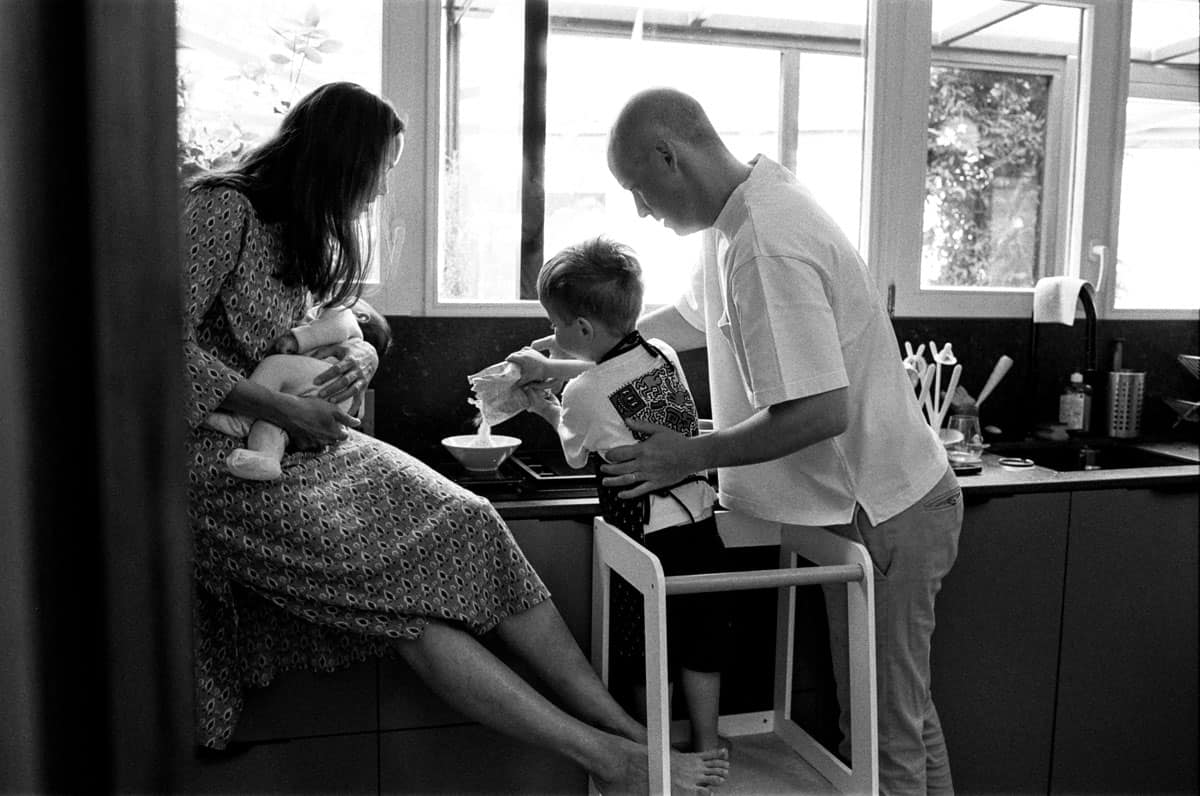
If I feel like my work is aligned with the publication, I will look for cues that can help me select photos. These can be the general style of the magazine or simple statements like “We want to showcase diversity,” “We are looking for experimental techniques,” or “We receive many breastfeeding images so the competition for those is very high.”
3. Make the First Broad Selection
I always select more photos than I’m allowed to send, and I use the same principle I talked about above.
First an intuitive selection of the strongest photos that feel aligned with the publication, then a closer look analyzing the photos.
Because I’m selecting photos for a specific submission, in that second step I will not only look at things like composition or emotional resonance, but will also ask myself whether each photo feels new and fresh enough and not like something they’ve already published many times.
The first time I submitted to Heartful Magazine, I stopped at this step and I wasn’t accepted. So I added another step that I’m pretty sure got me onto their “Ones to Watch” list.
4. Check That the Selection as a Whole is a Coherent Portfolio, Not Just a Collection of Good Photographs
Obviously, if the submission requires a body of work, it will be coherent by definition. But even if they just want a portfolio of images, you will have a better chance of getting their attention if it’s clear at first glance that the images were all made by the same photographer.
So I ask myself: what is the common visual thread here? It may be the use of one focal length, specific angles, the same film stock scanned in the same way. It may be in the feel of the images, like when all of them have a hint of melancholy or of humor. It can be certain colors that appear again and again, or frequent use of blur, or any combination of visual elements that tie the whole together.
Once I’ve decided what I want the common thread to be, I go through my selection and delete all the photographs that don’t fit it – even if they are strong individually.
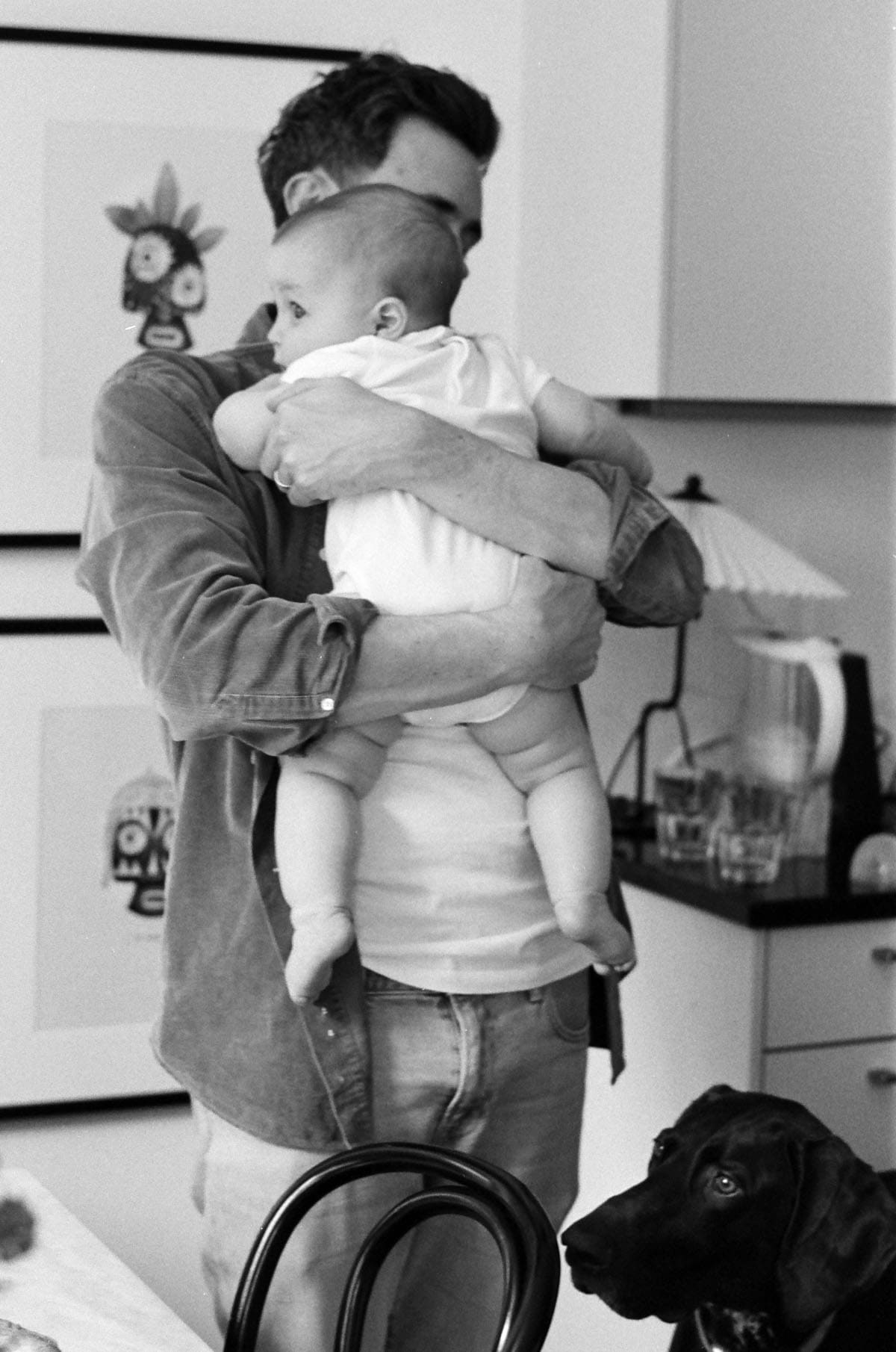
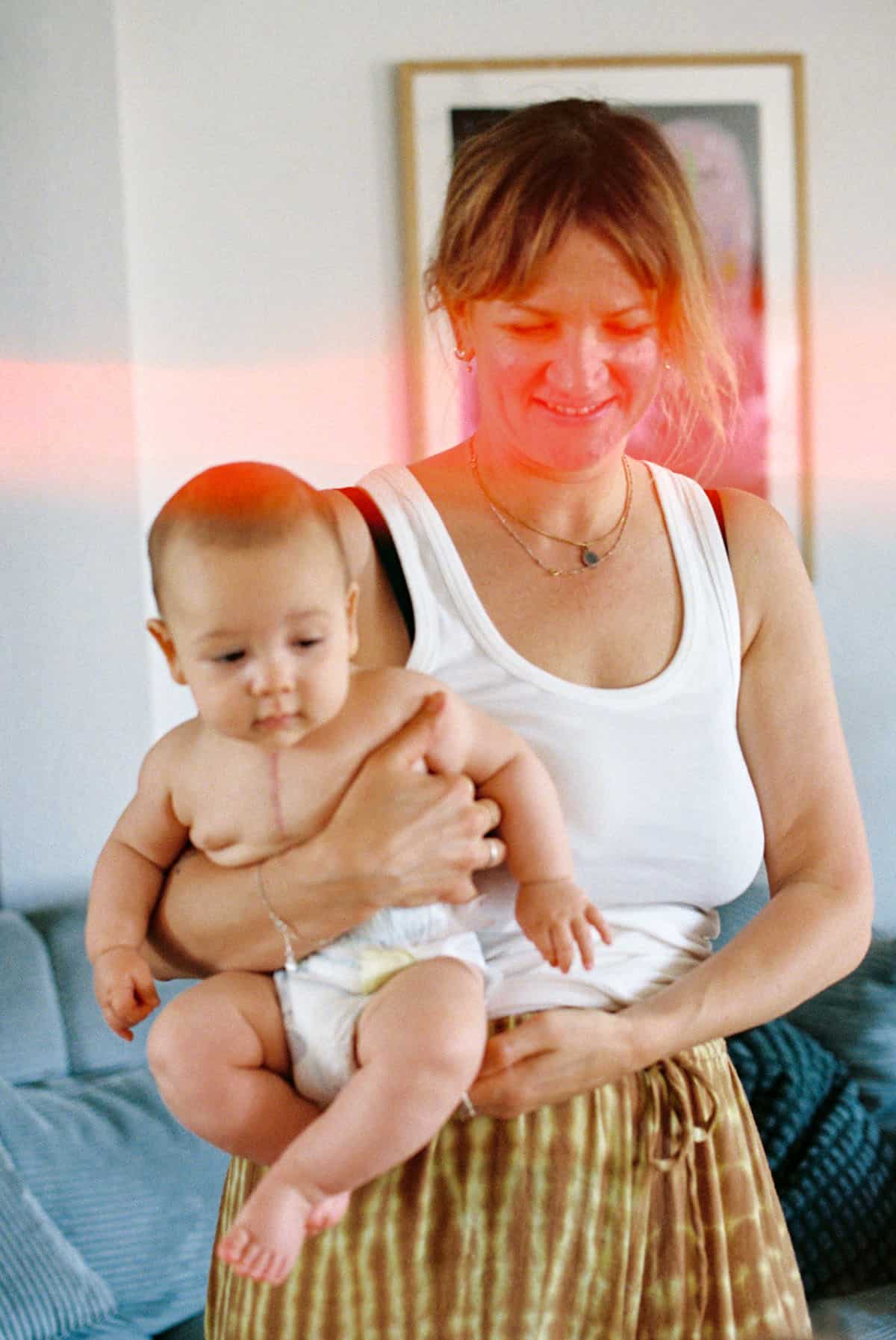
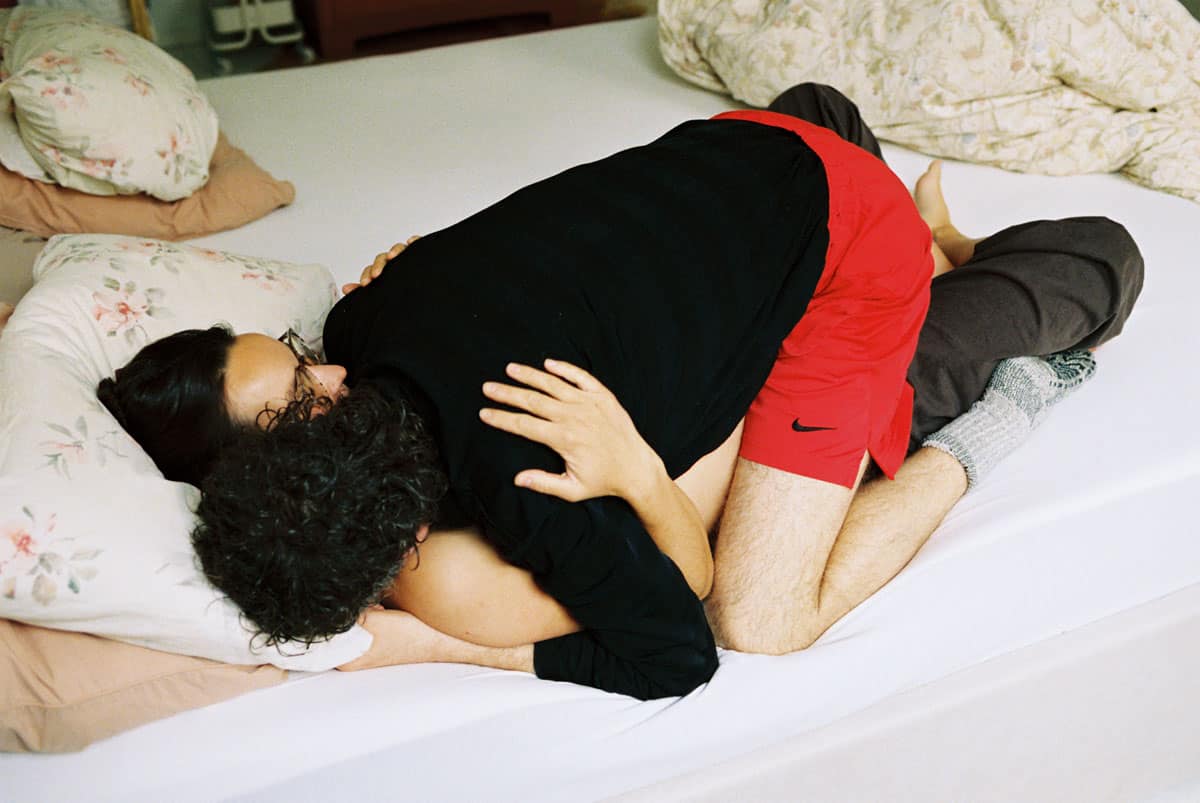
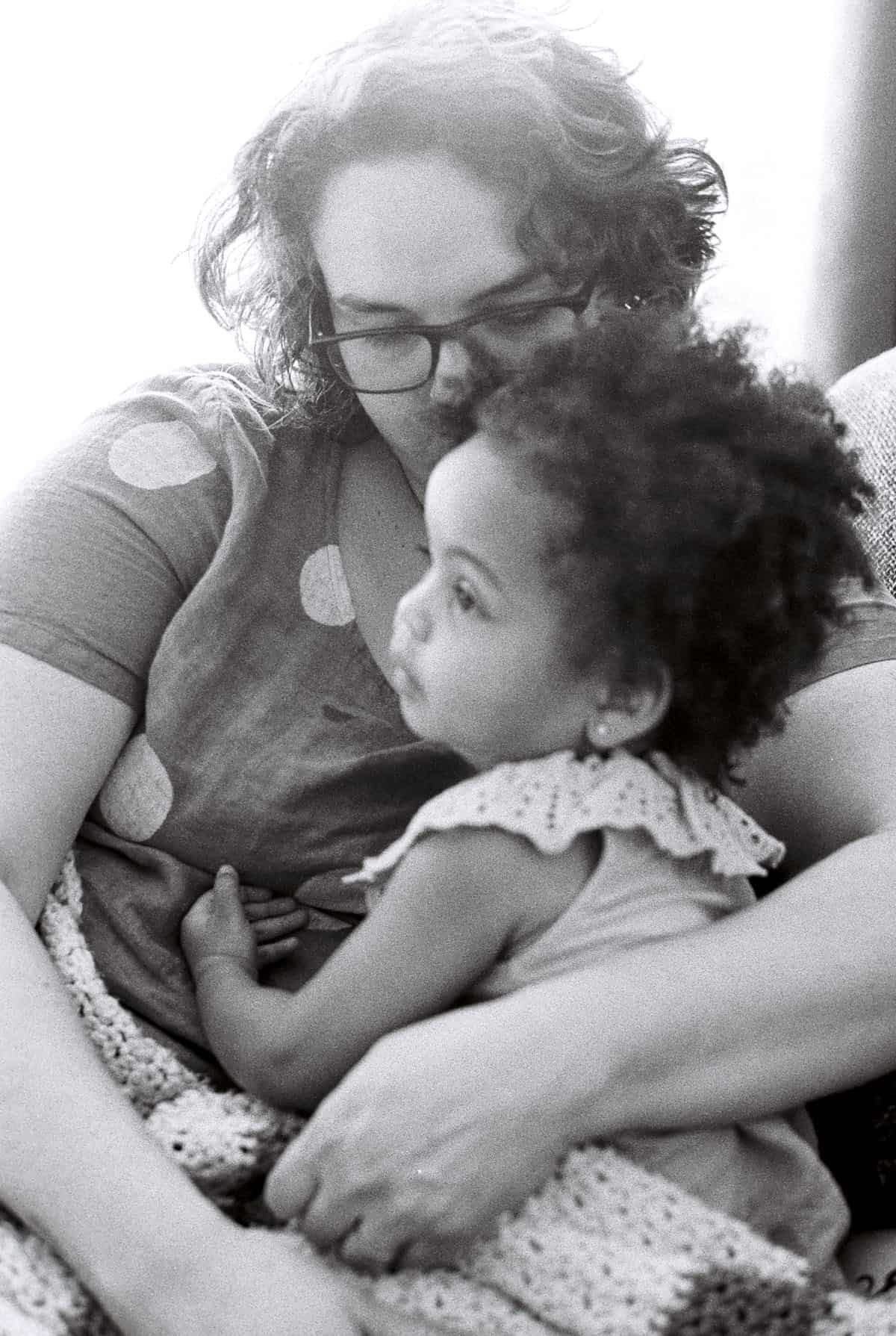
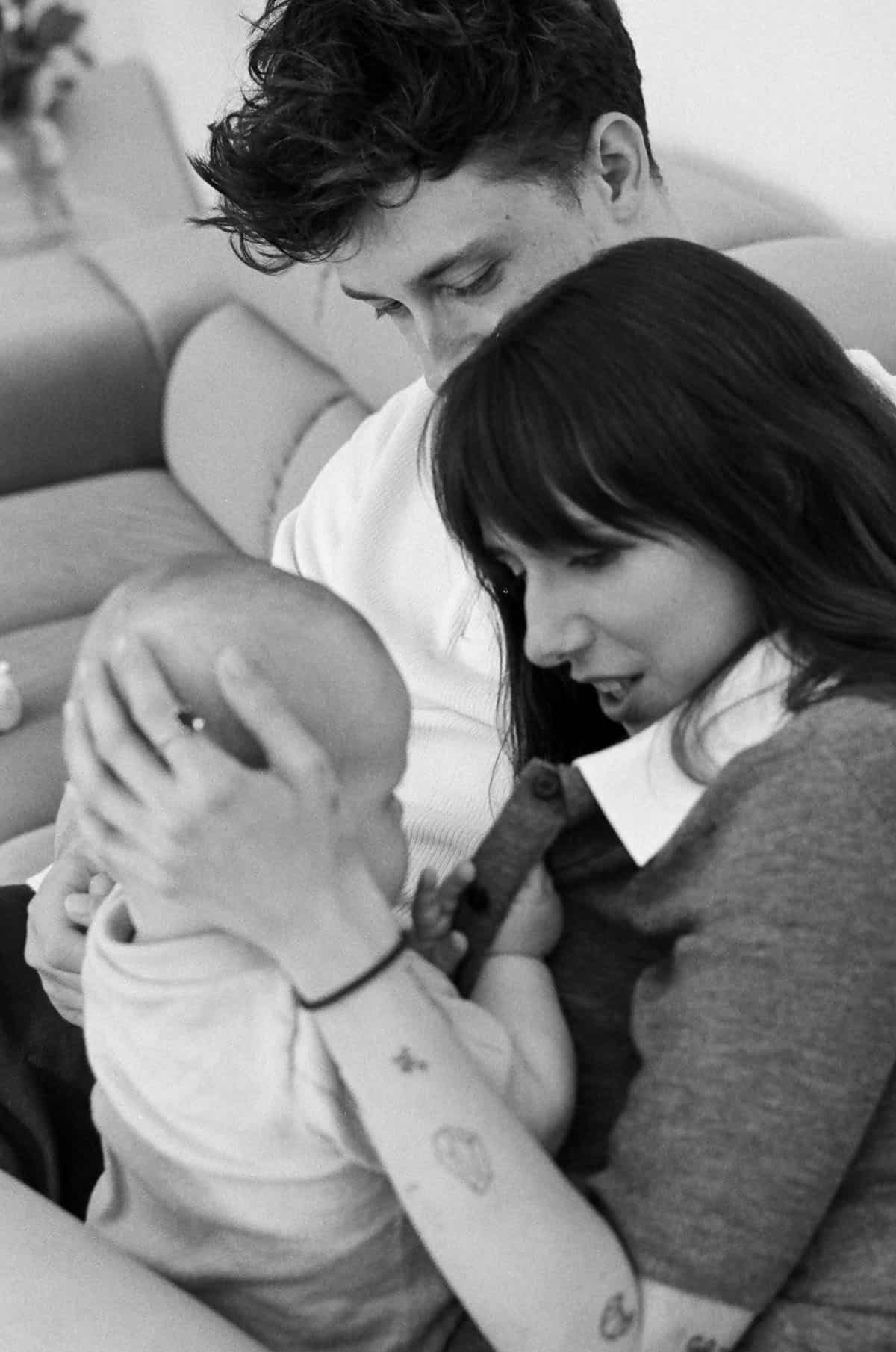
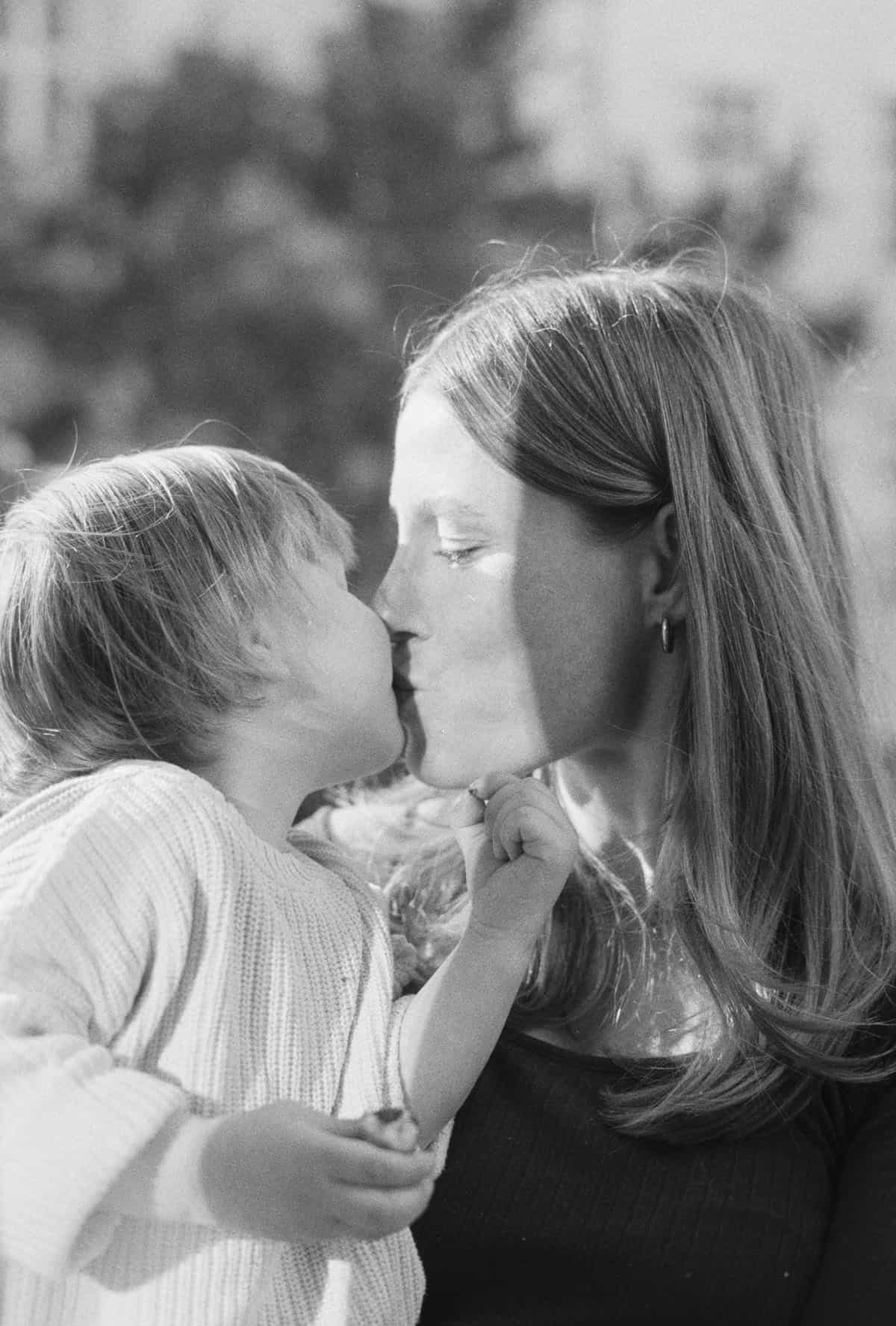
For my winning submission at Heartful, I chose light as the common thread. I like light to be a loud voice in my photographs. I will take directional “Renaissance” light from a window, backlight, or harsh light over the soft light of an overcast day any time. So I removed all the photos that didn’t have anything particularly interesting going on with light, even if they had a great composition or strong emotions.
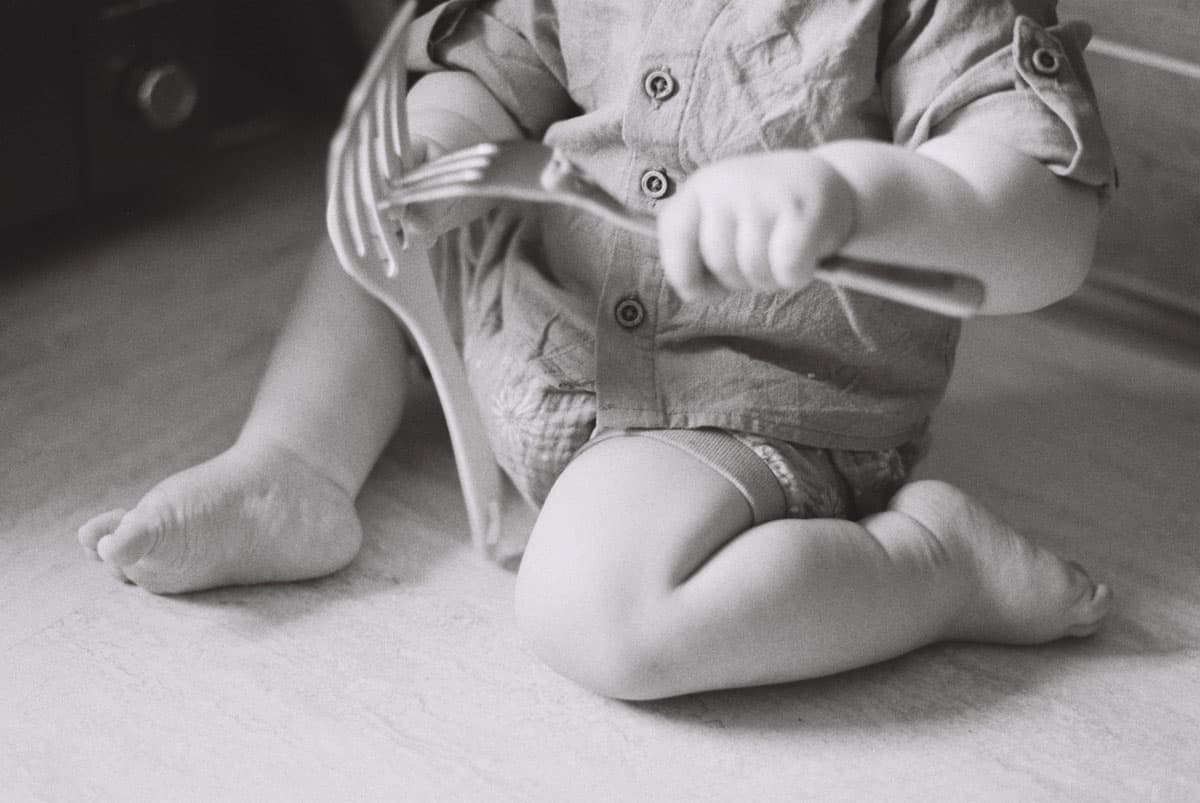
Now, it’s important to remember that we want coherent, not boring. Having a common thread doesn’t mean a bunch of similar photos. The images in the final selection should complement each other but not feel repetitive.
A Few Final Thoughts
I never skip the intuitive selection step. After looking at good photography for years, we usually develop a pretty accurate sense of what’s strong – even if it’s harder for our own work.
All of the above is sensible advice, not hard rules. And anyway, sometimes the best stuff happens when you break the rules.
Even if you do everything “right,” you will get rejections. Everyone does, people just don’t talk about it. It’s completely OK to be sad, disappointed, and envious of those who got in. But it’s also important to grow a thick skin and be able to move on. After all, if we only make pictures to get awards and publications, we are probably in the wrong line of work. Don’t ever forget the deeper reasons why you do it.
Thank you so much, Anna! You can find more of Anna’s work on her website and Instagram.
Leave your comments and questions about submitting photography for publication below in the comments, and if you’d like to submit your film photography to Shoot It With Film, you can find our submission process here.

Shoot It With Film on Instagram


Leave a Comment