

Today, we’re featuring a travel essay from film photographer Sasha Zheinovea. Scroll below to view the images and read more from Sasha about exploring Thailand…
Analog cameras and films used: Nikon F80 (Find at KEH Camera or on eBay) | Kodak Portra 800 (Find on Amazon)
Connect with Sasha: Website | Instagram
Thailand Travel Essay
By Sasha Zheinova
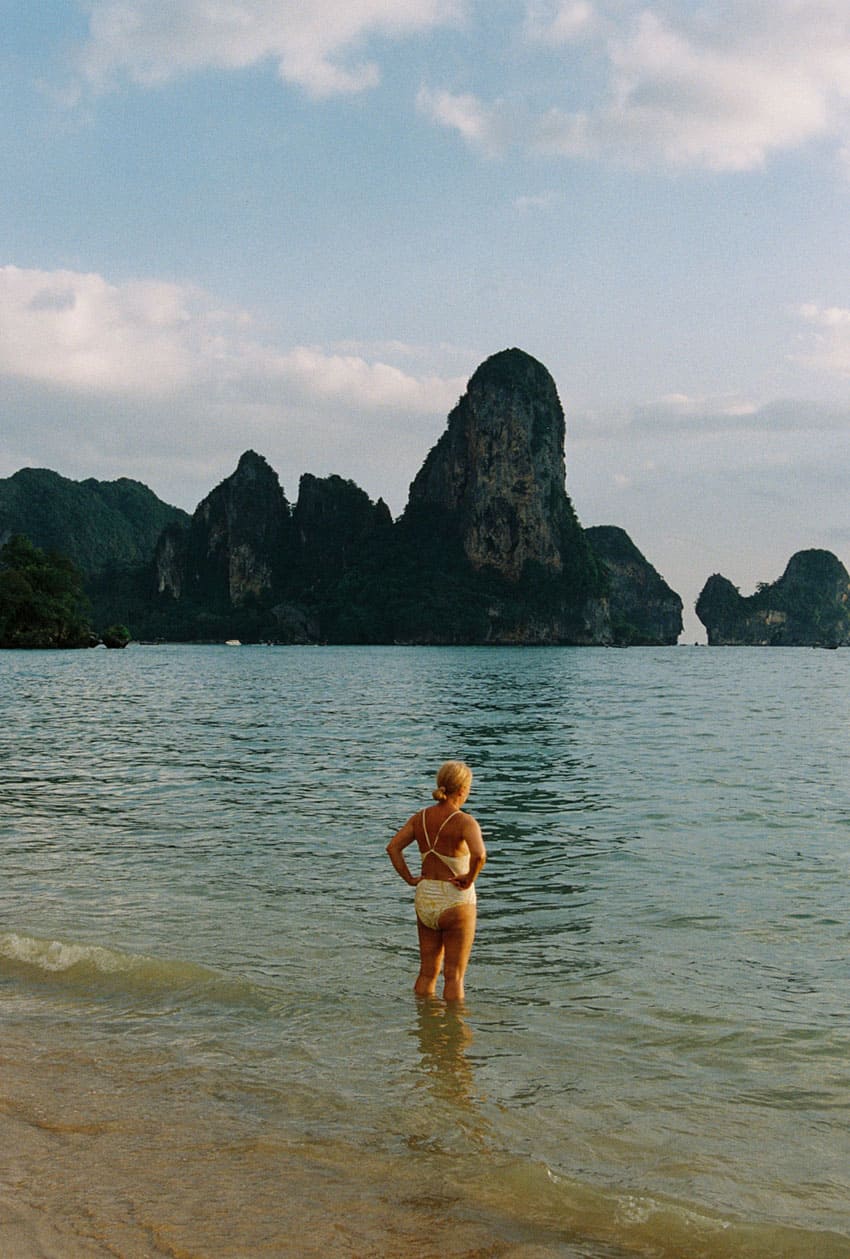
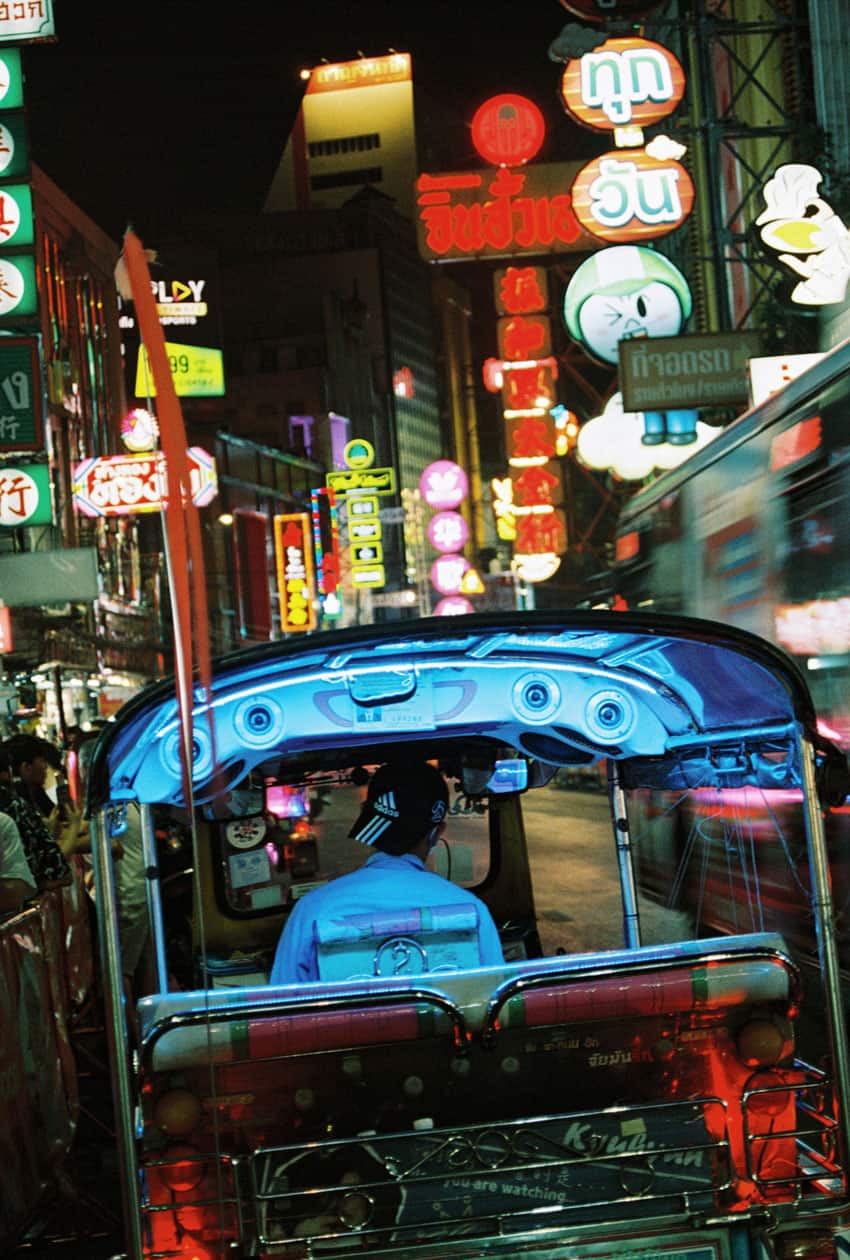
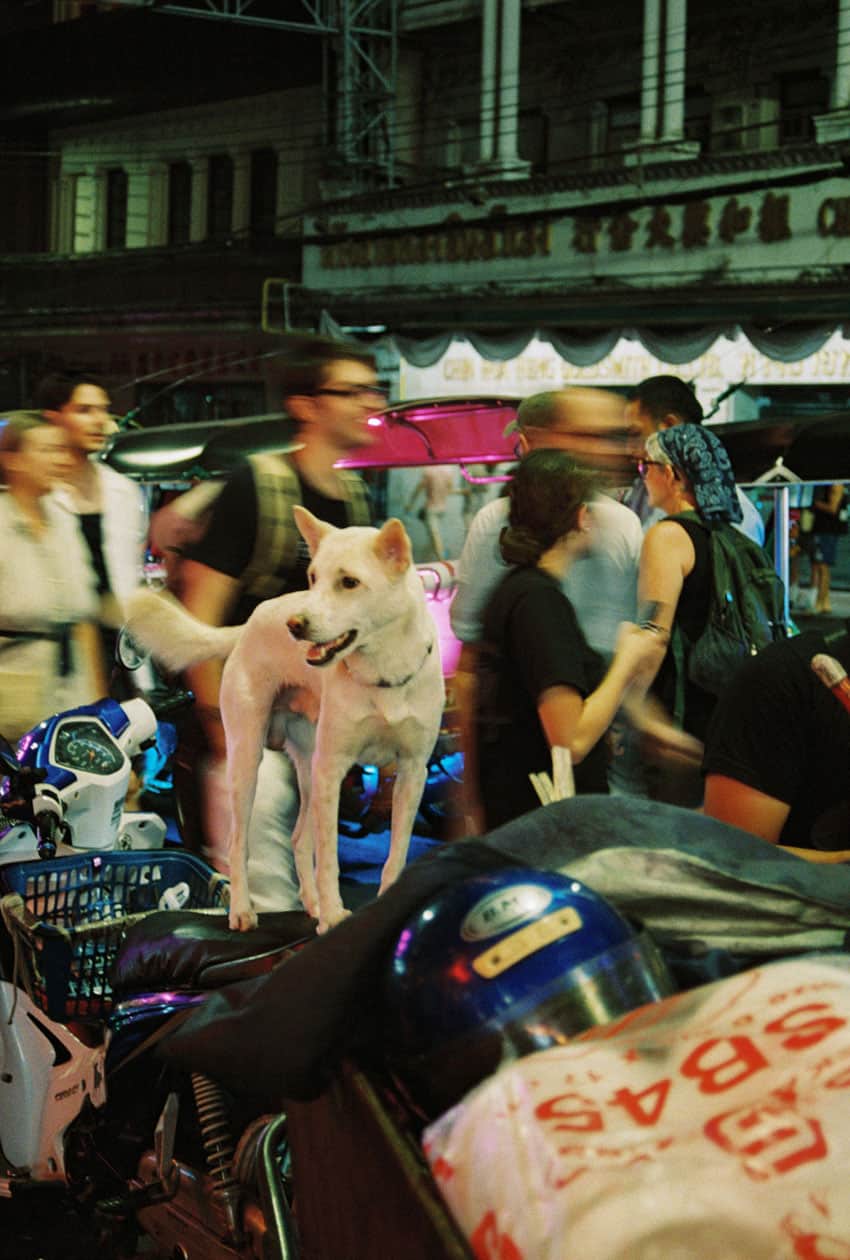
I spent almost a month in Thailand, in Bangkok, Chiang Mai, and the Krabi coast, with nothing but a Nikon F80 and three rolls of Portra 800.
I live and work as a photographer in Paris, and sometimes I catch myself feeling like I’ve already seen everything (which is not true). Apart from traveling to get some healthy sun exposure, I also travel to reset that feeling.
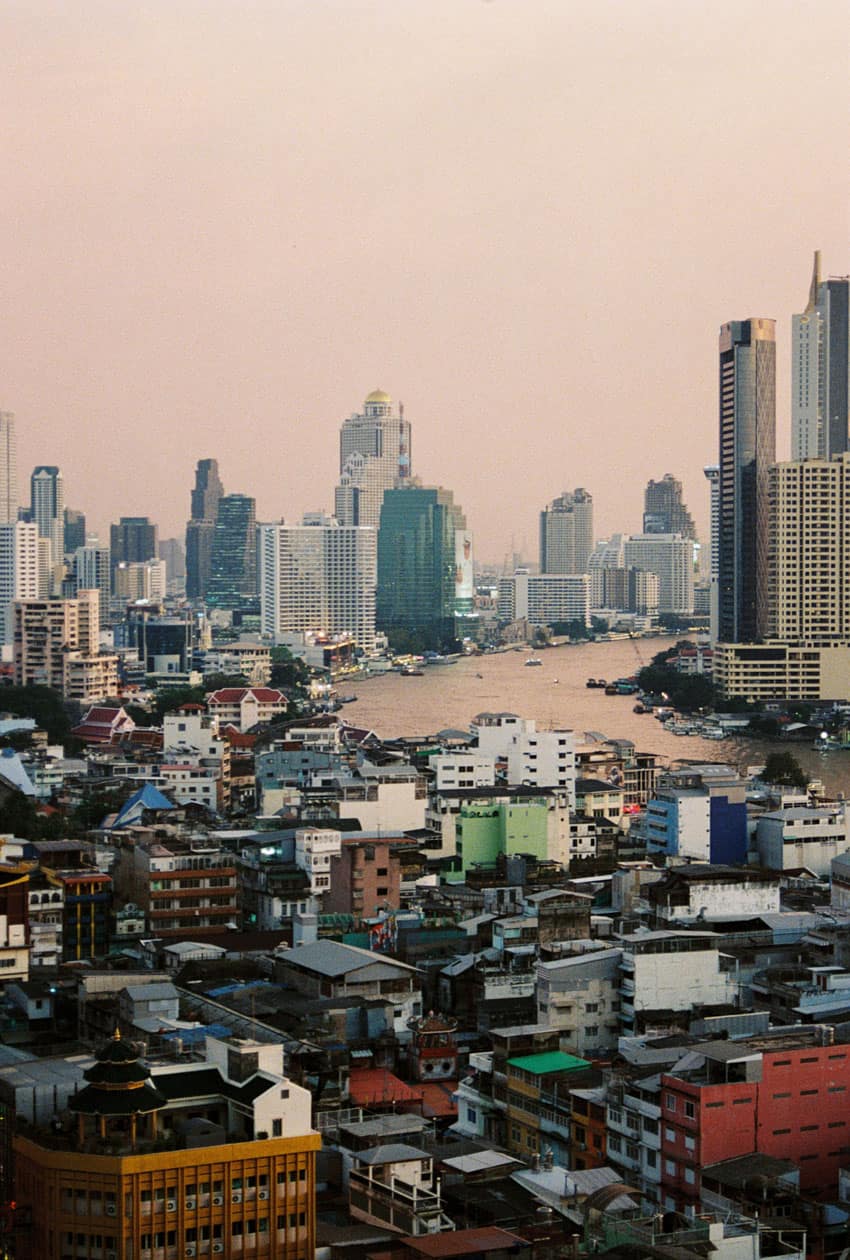
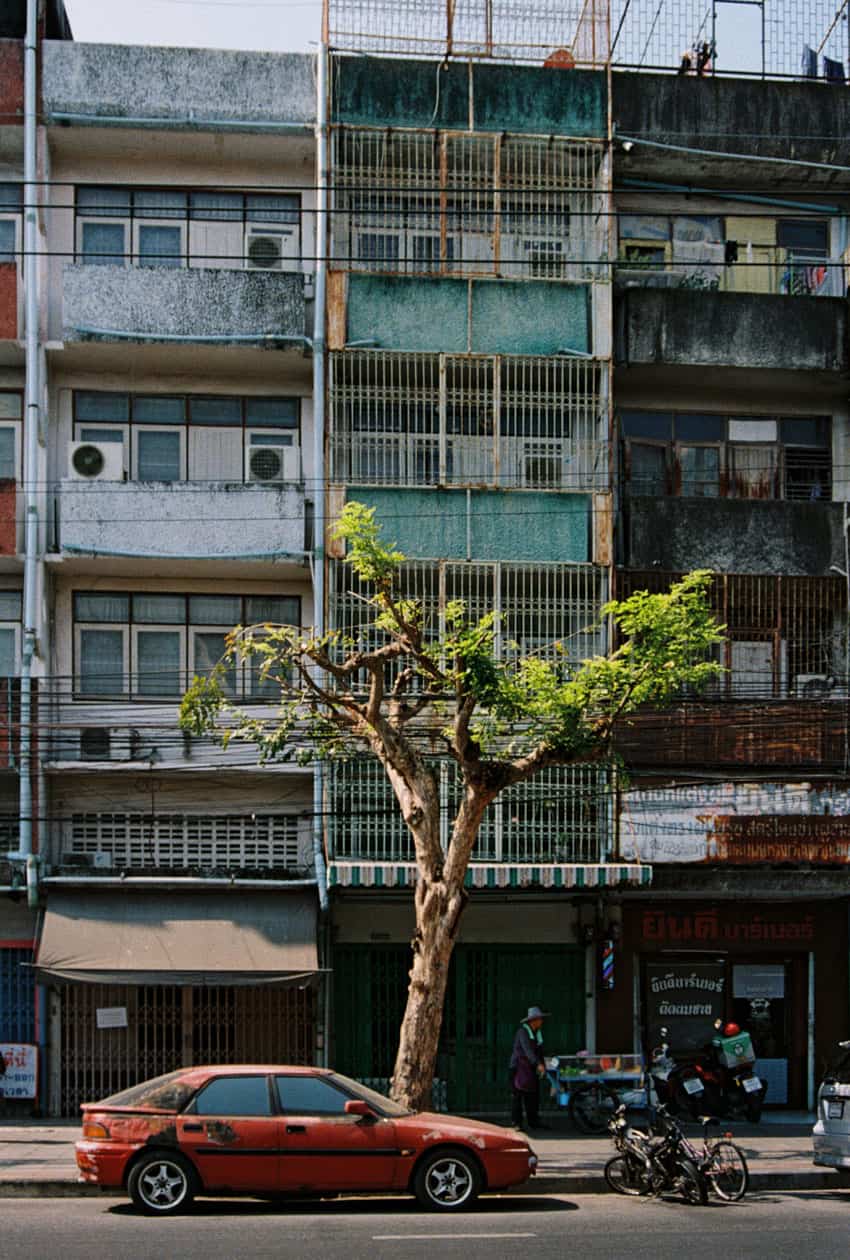
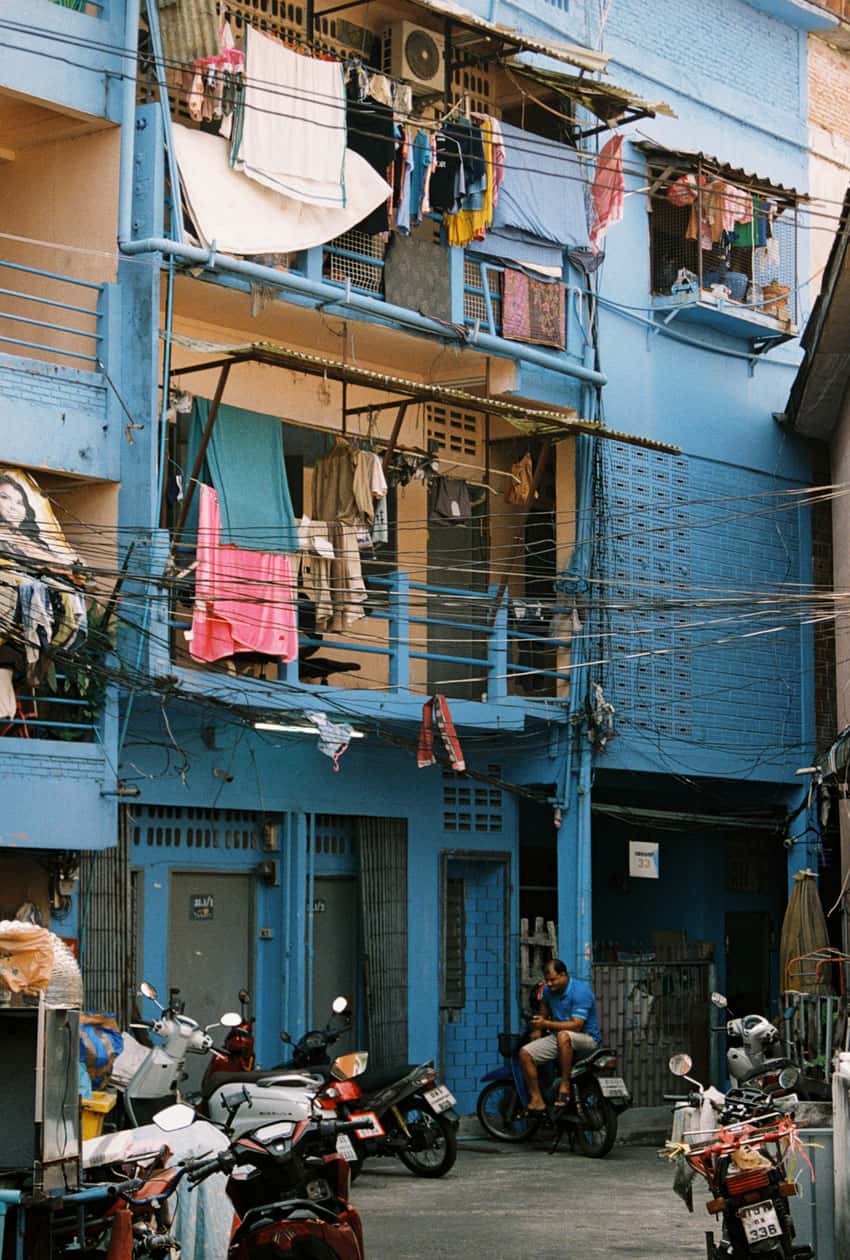
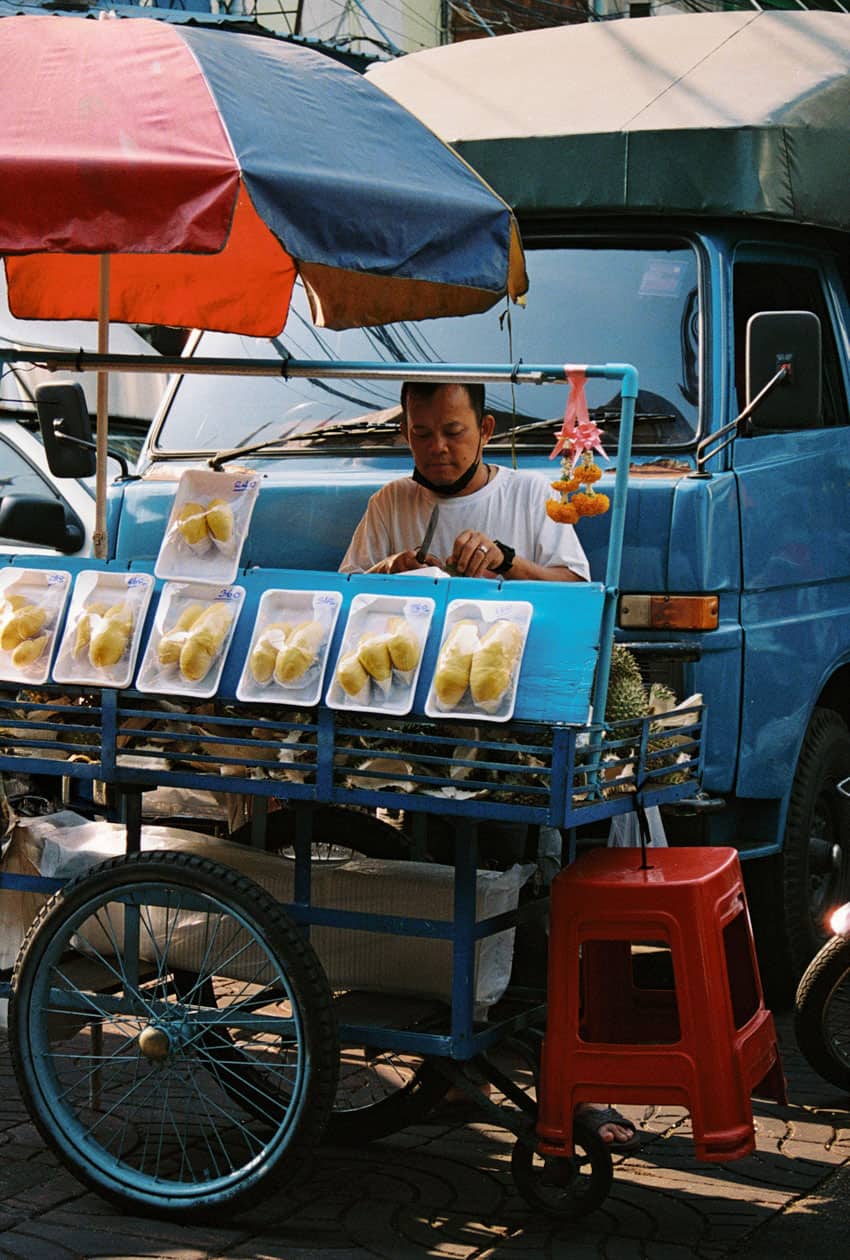
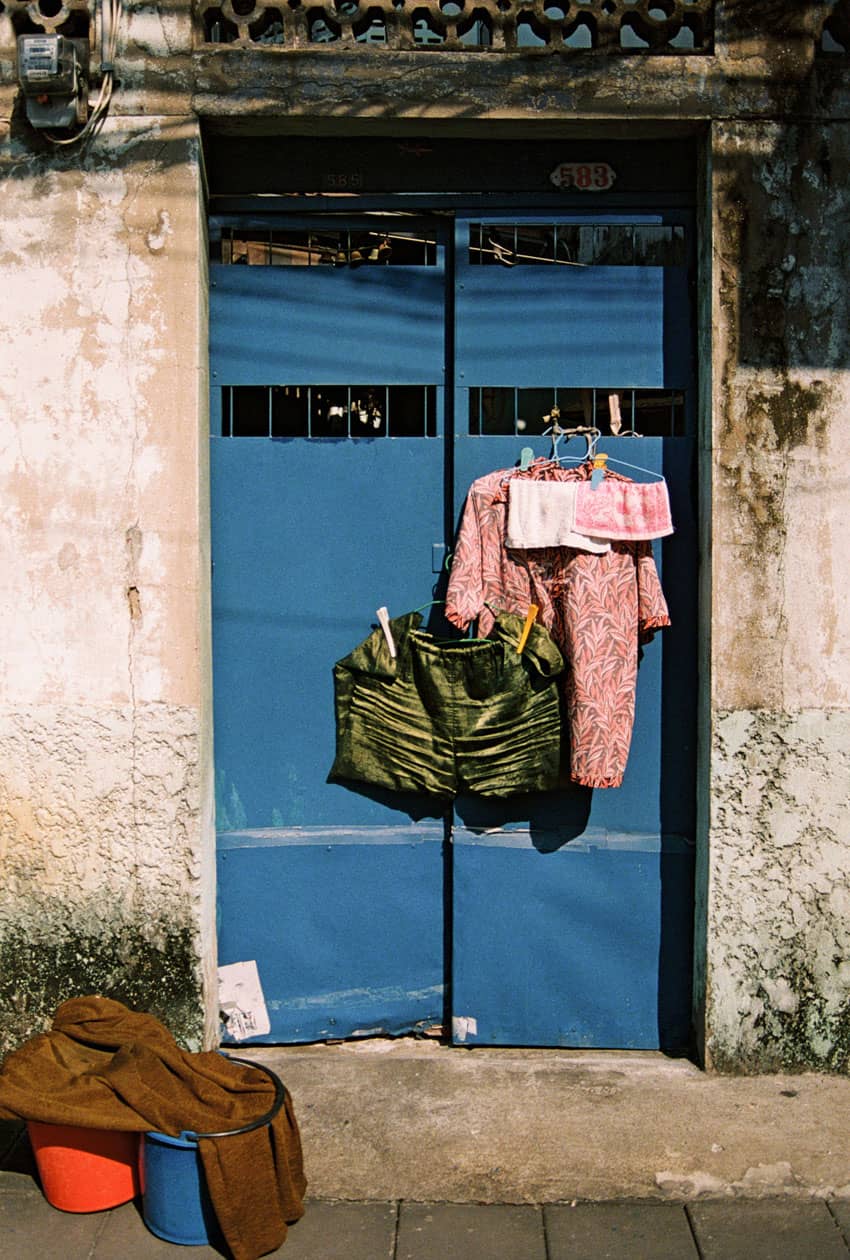
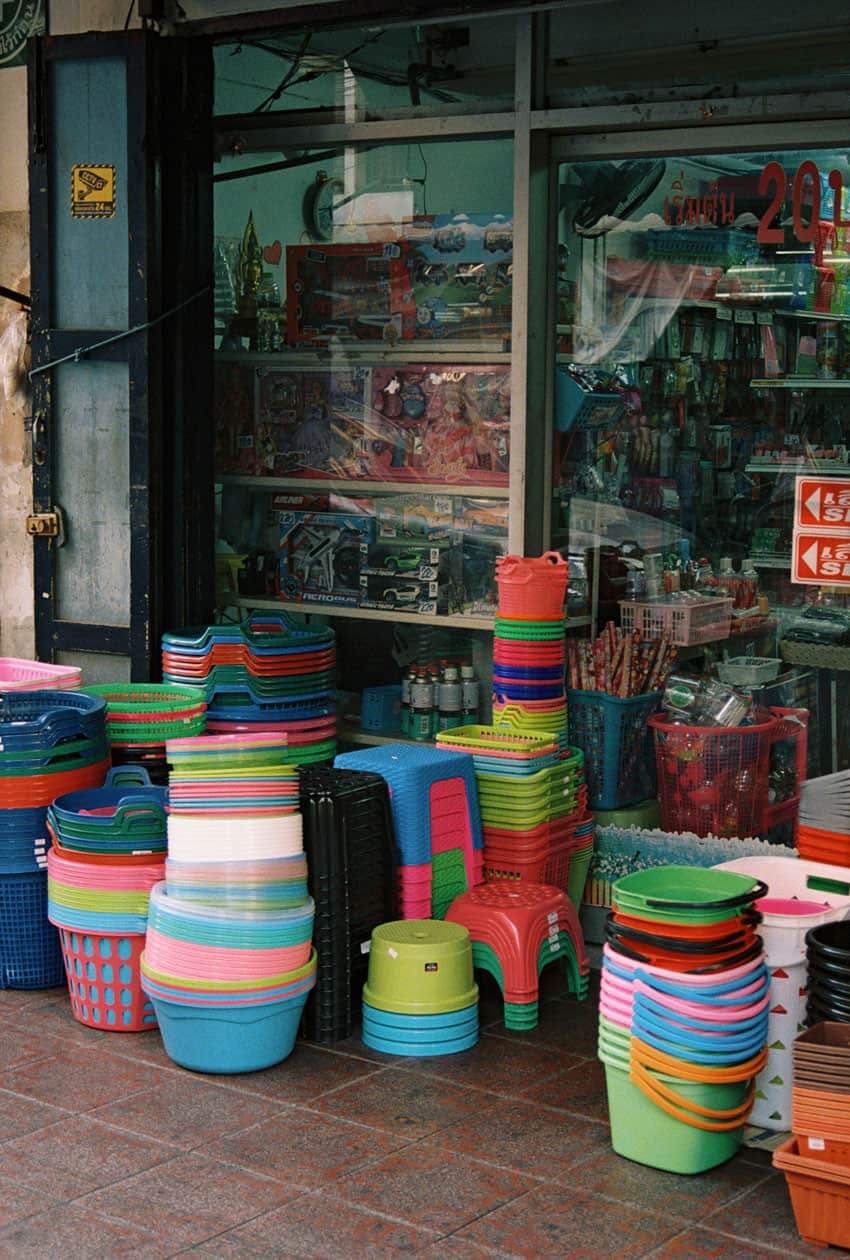
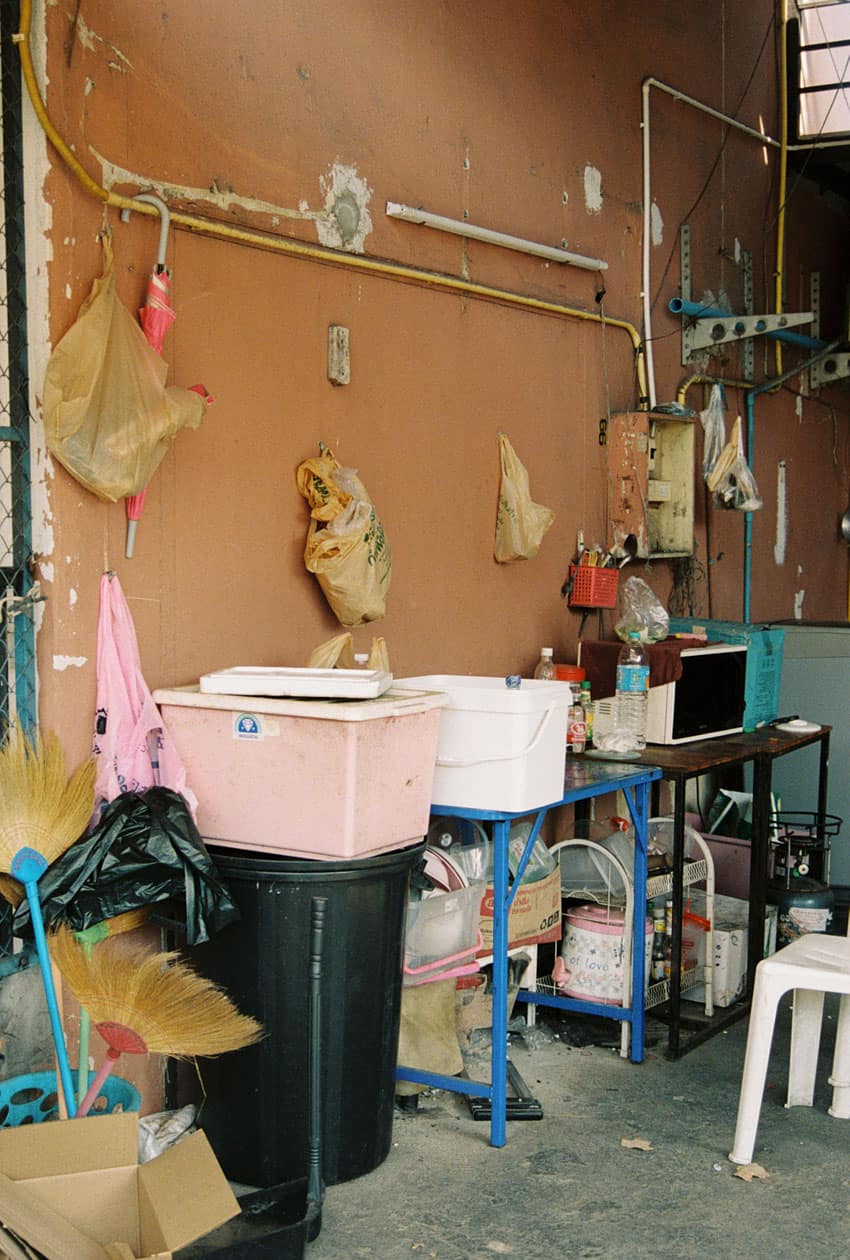
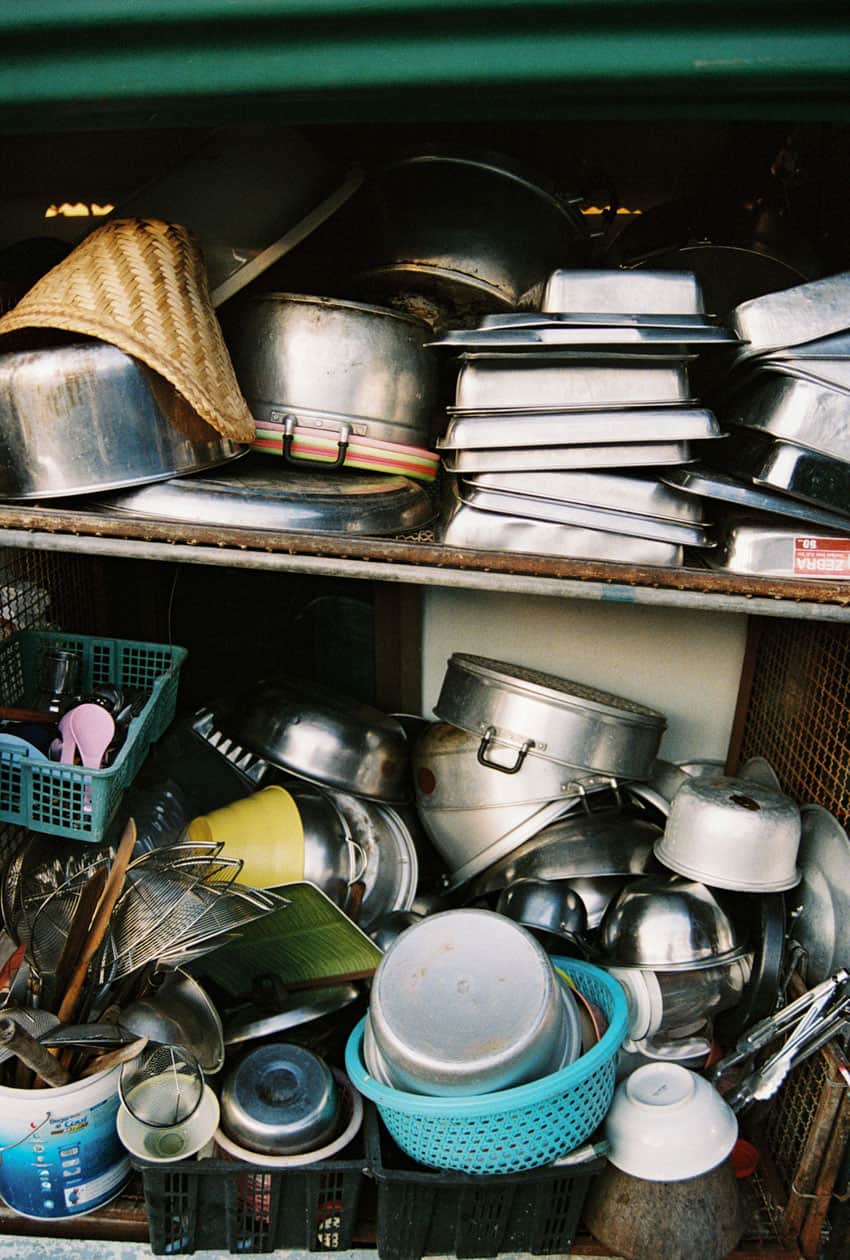
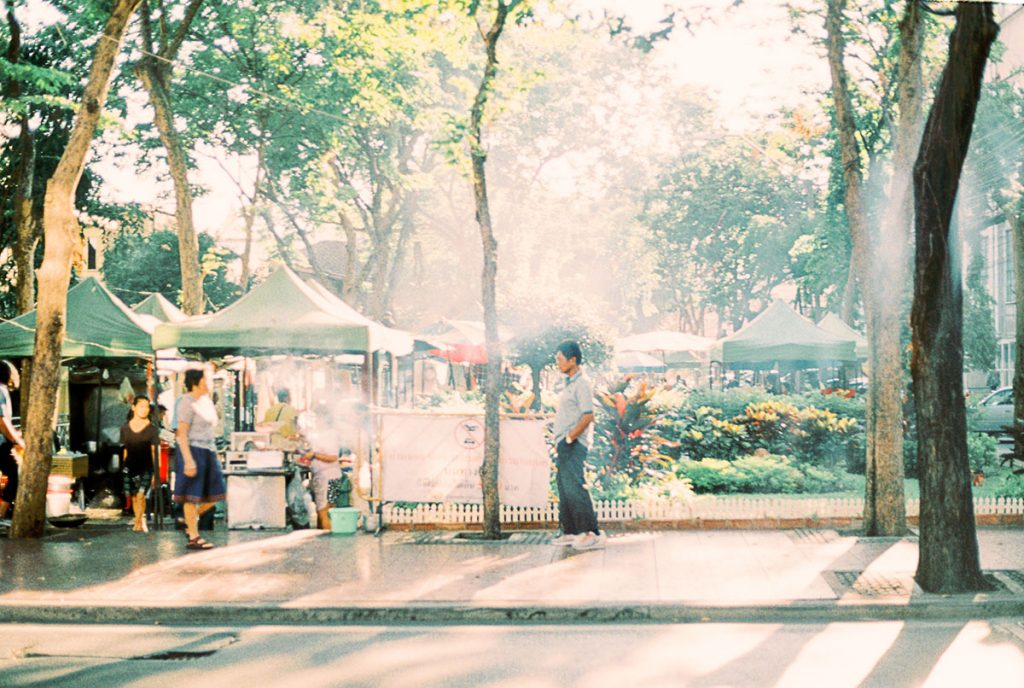
Thailand was alive and bright. I saw colors that no one coordinated but somehow worked together: a red stool under a blue cart, a pink shirt drying on a blue door, a pile of plastic basins in every shade imaginable stacked outside a shop at dusk.
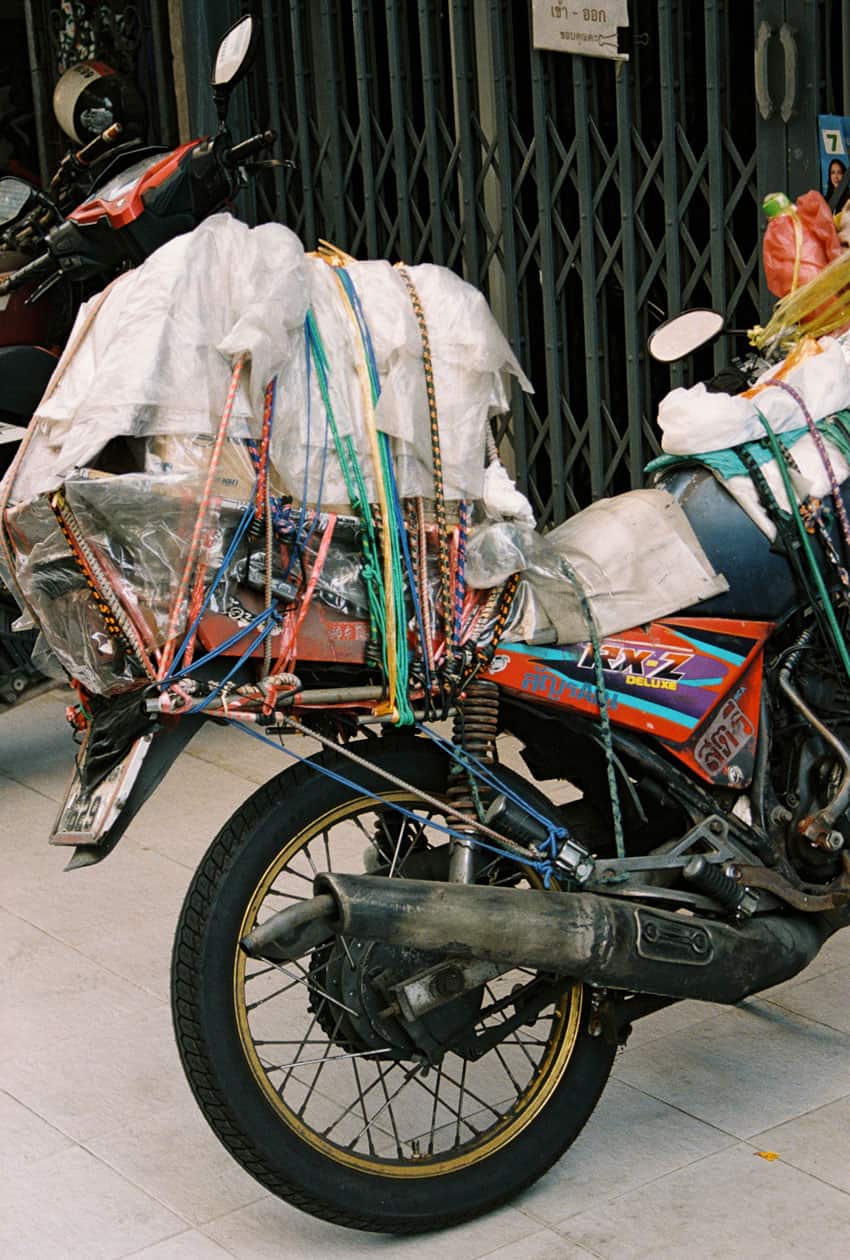
I was also fascinated by how people build their own systems out of whatever is at hand: a sidewalk that doubled as a kitchen, a shelf packed so impossibly tight that it looked like chaos until you watch someone reach in and find exactly what they need. These arrangements kept making me stop all the time. Sometimes I’d walk past, realize what I’d just seen and come back only to find the light had changed or the person had moved. A few times I returned to the same spot the next day, hoping the scene would still be there. Some of the best frames in these rolls exist because I went back.
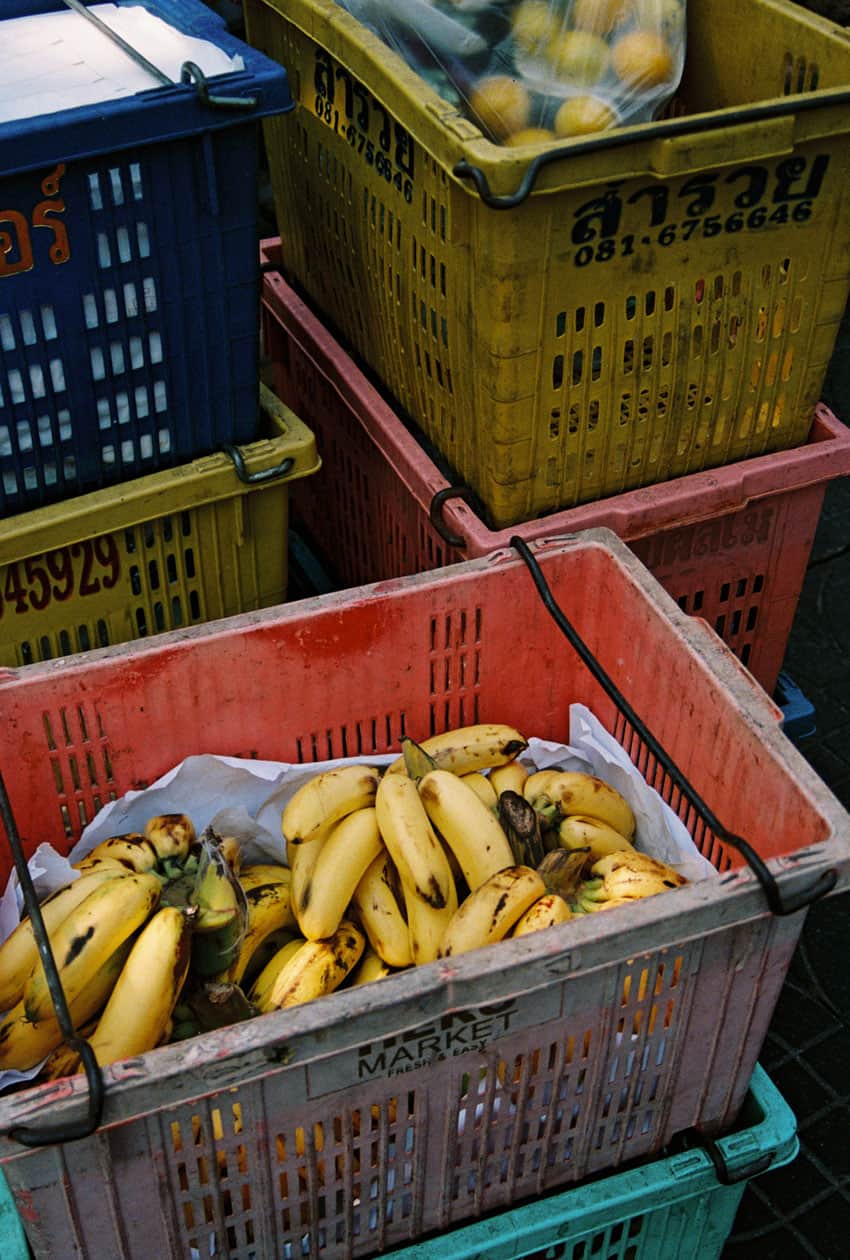
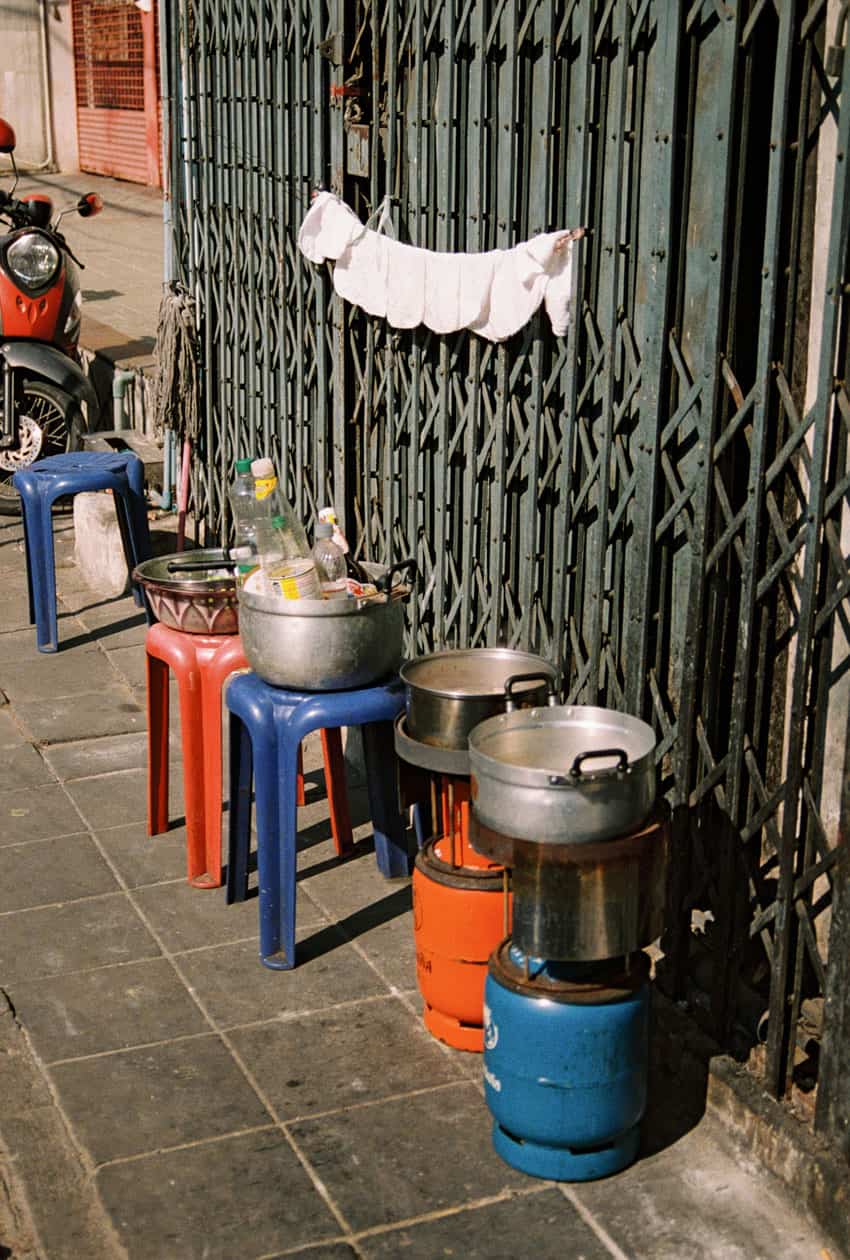
I always travel with film because it forces me to actually look and notice. With a phone or a digital camera, you shoot first and think later (if you think at all). Film costs money, film runs out, and that constraint is the whole point.
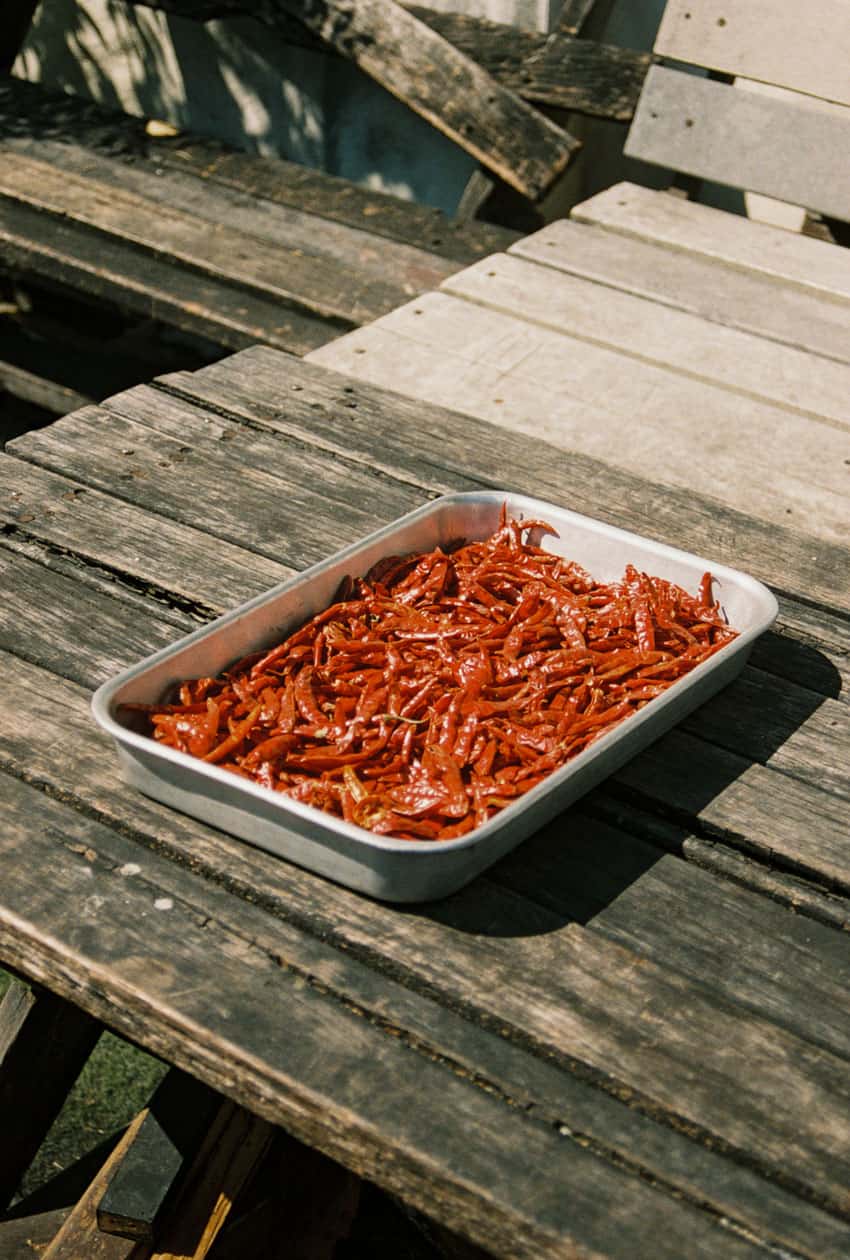
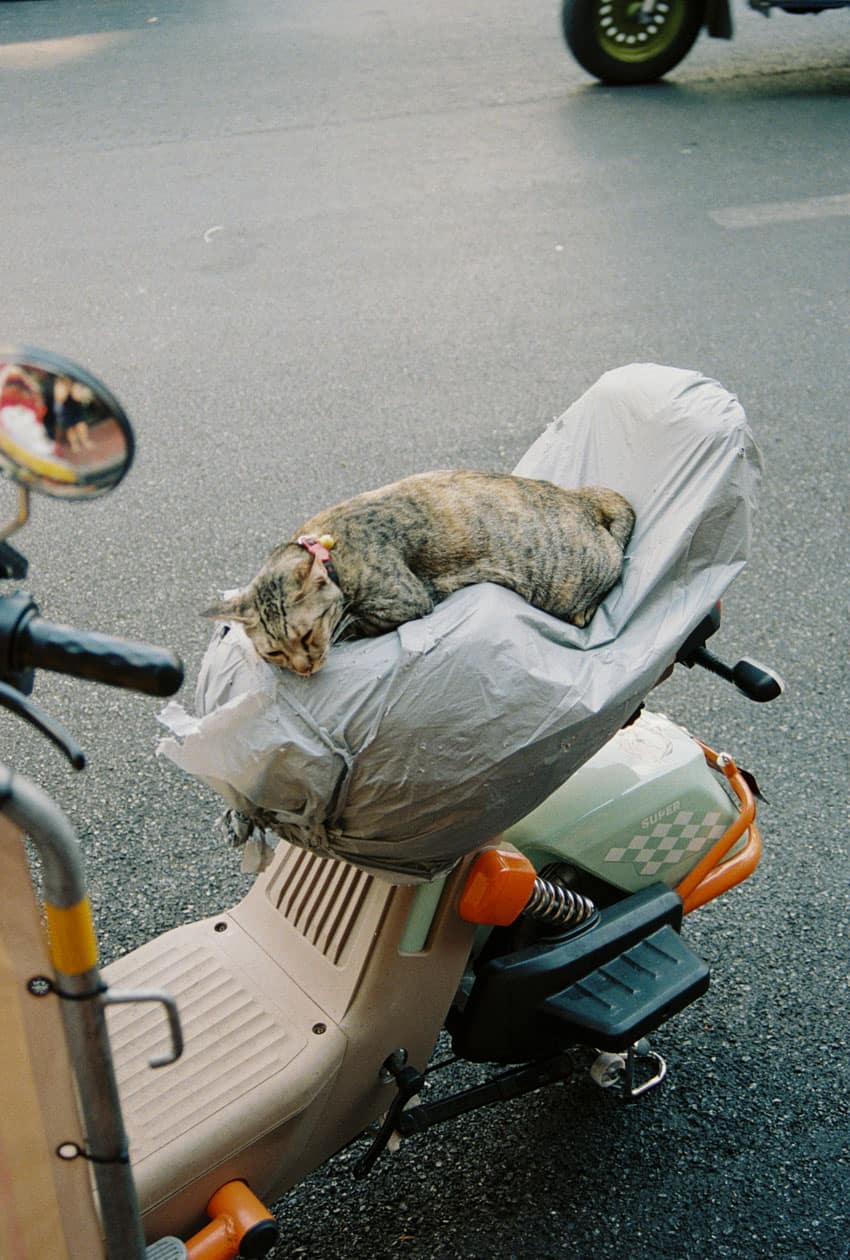
You start noticing patterns and you pay attention to things that weren’t placed there for you such as a tray of dried chilies on a wooden table, a collection of lighters put inside a piece of driftwood on the beach and many more. And you also wait: for a right ray of sun to get in the frame, for a person to cross the street, for a wave to break at the right moment.
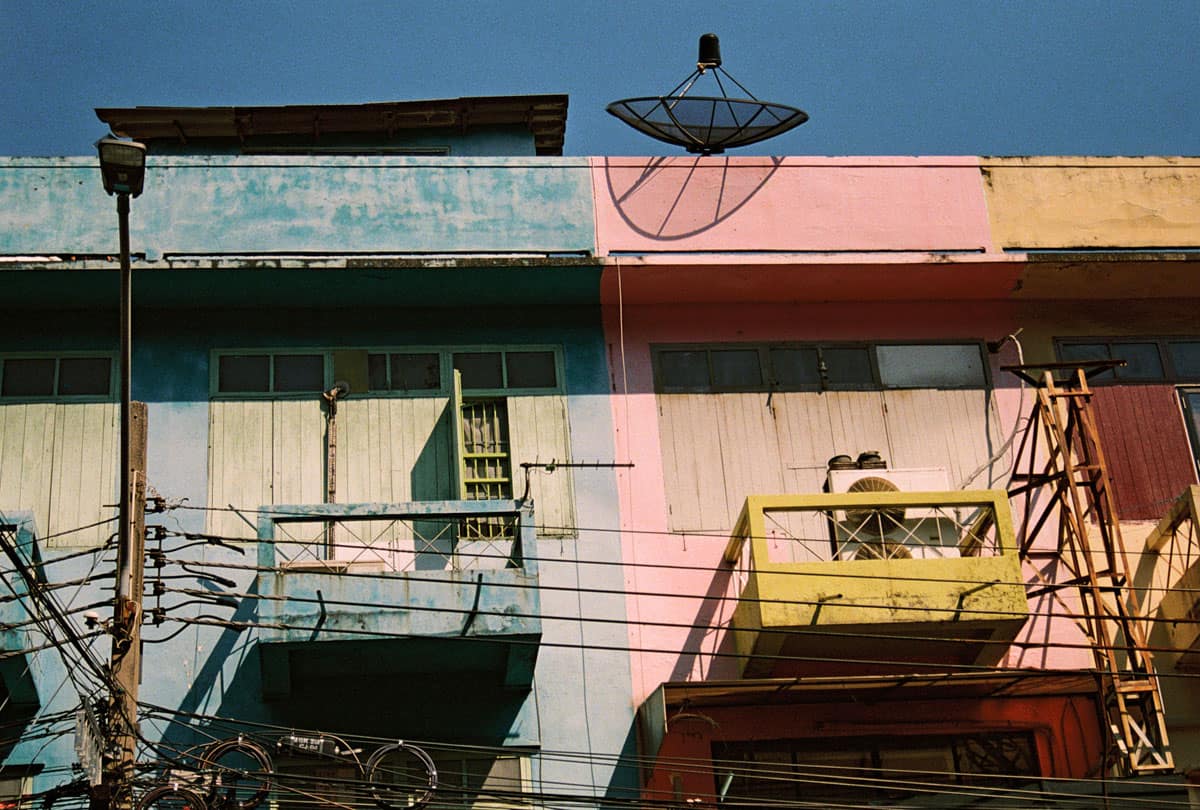
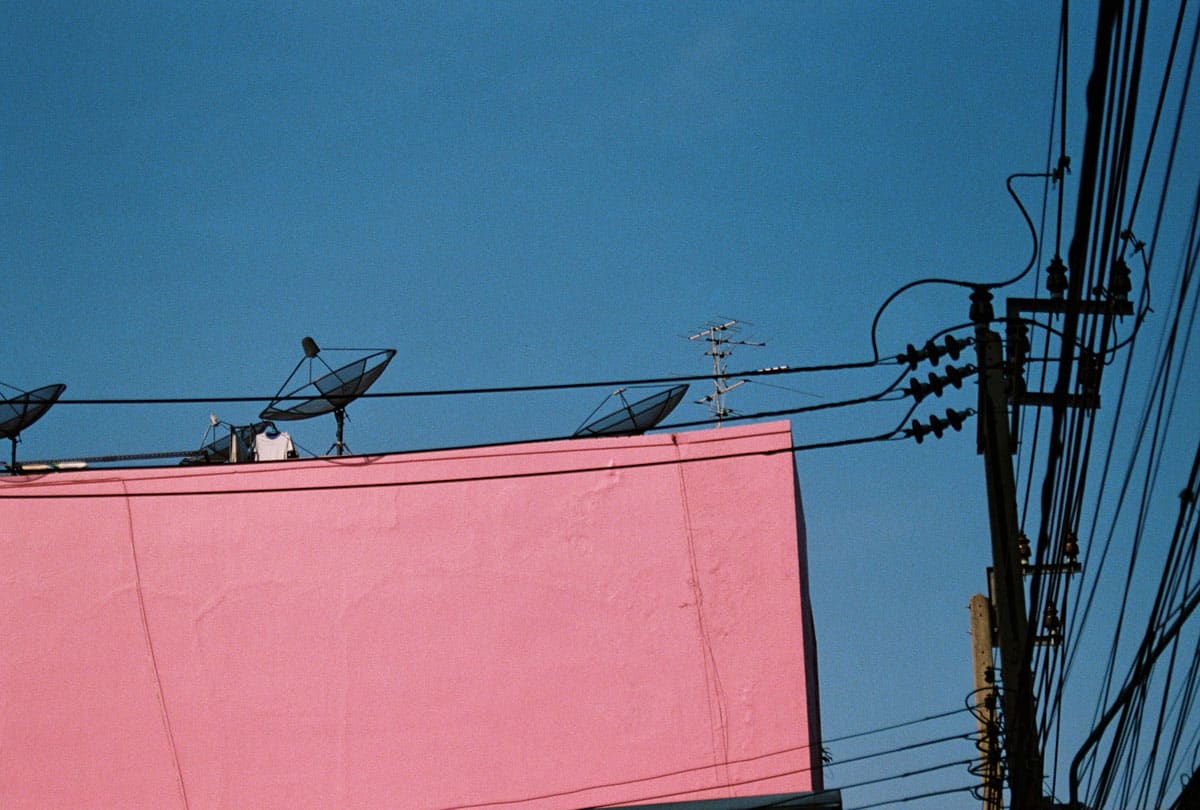
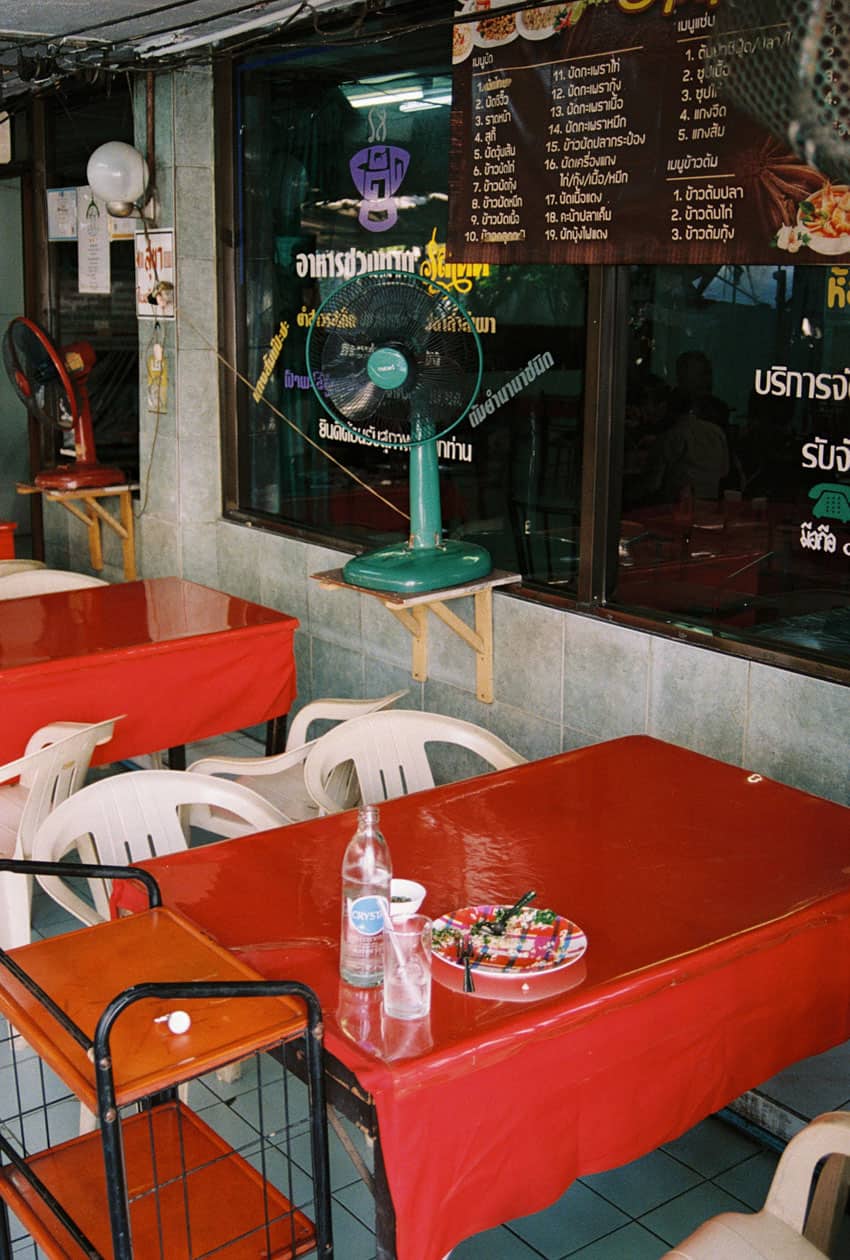
I chose Portra 800 because it’s forgiving enough to pretty much handle everything: harsh tropical sun, neon-lit streets at night, dim restaurant interiors and even the fact that I was holding my lens to a camera body manually because my bayonet was broken — and the rolls were still miraculously salvageable.
It’s also slightly less saturated than Portra 400, a little softer, and it gives even the cheapest plastic object a kind of warmth that makes you pause and look.

Check out all of our film photography features here, and if you want to have your own film work featured on the site, view our submissions process!


Shoot It With Film on Instagram


Leave a Comment