

Written by Tyler Mattas
Pardon the sacrilege right off the bat, but this article is going to start off with some digital camera related talk, which I promise will eventually be brought back to film cameras and really just gear (maybe even life) in general.
If you’re a hardcore film enthusiast that thinks digital is tech that’s of the devil, skip to section three, and you’ll just have to deal with having no background or context for what’s being said.
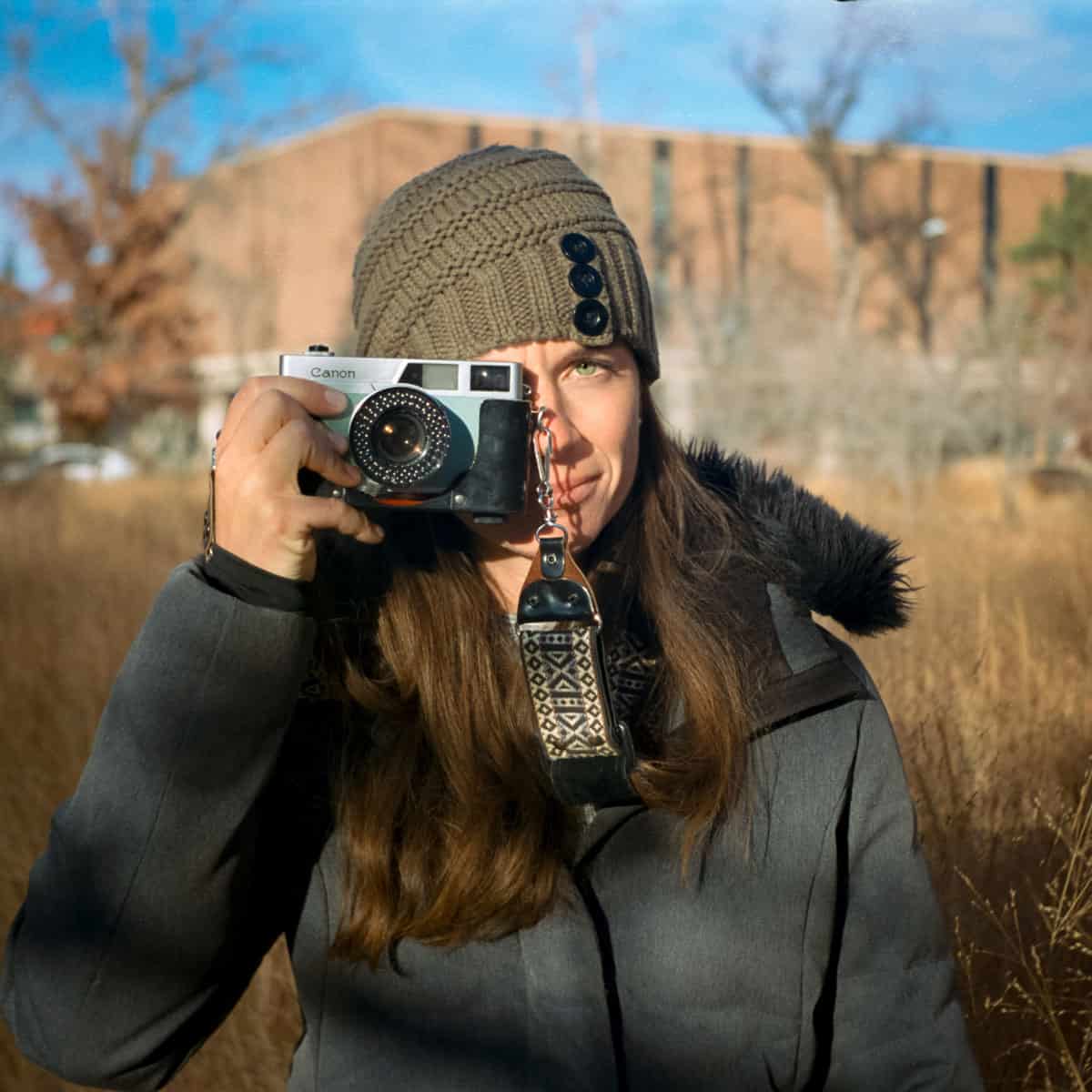
How Digital Photography Led Me Back to Film
Fuji digital is actually what got me (back) into film. Many years after my initial college film photography class, I started my actual photography journey with Pentax digital (yes, that is actually a thing), moved to Panasonic M43 for a while, as I found the camera I purchased for video use for work actually took great photos. Then, finally to Sony as I needed a professional platform for both photo and video – something I think Sony is still nearly uncontested at these days.
As the years went on, the initial burnout from turning a hobby into a job wore off, and I wanted to start taking photos just for fun again. Problem was, picking up any of the Sonys felt like work. I needed a completely different camera that made taking photos for fun feel like something different – kind of the same as not using your bedroom as your home office. When you’re self-employed, work and not-work need to have conscious separation.
Like everyone else with an internet connection and YouTube interest, I’d been hearing Fuji hype for many years. I found a used Fuji X-E2s and Zeiss Touit 32mm f1.8 for a good price (1/3 of what it’s currently going for today, as I recently found out), and that began my Fuji journey.
I played with film simulations, I shot raw, I went back to film simulations, went back to raw, I bought a bunch of lenses, etc… Long story short, what came out of this photography side quest that’s relevant to this article is that I also bought a Fuji X-T2 and eventually got bored of film simulations – so decided to start another side quest of actual film photography, which began with a Mamiya 1000DTL from a local antique shop.


Problem was, I never really liked that X-T2. Ergonomically and feature-wise, it’s the best camera I’ve ever used. Fuji’s style of all physical controls and features created by actual photographers, for actual photographers are on full display in the X-T series.
For whatever reason though, it had all kinds electronic gremlins and odd issues including dust trapped between the hot mirror and sensor that I couldn’t remove without a full tear down and needed to spot heal out of almost every photo I took – lesson in thoroughly checking your eBay purchases before the return window is up.
So last week, with a vacation coming up I wanted to bring a Fuji on, I decided to just trade the thing in and get something else.

What Makes a Camera Good?
Alas, several paragraphs in we come to the actual subject of the article (welcome back film pursuits from paragraph one). I take purchase decisions seriously because everything is extra overpriced these days, and I really hate buyer’s remorse because it makes me feel like a failure and ruins my self-identity as an intelligent person with impeccable decision making.
Personal issues aside though, point is, I spent a lot of time last week thinking about what makes a camera “good.” I’m fully aware this is going to be completely subjective, but I think there’s some lessons and insights in the thought process whether you agree with it or not.
Also, as someone that currently owns almost 40 unique film cameras and has put at least one roll through double that number, I do think I have a decent amount of experience to draw some conclusions from.


The Technical Specs
If you listen to YouTube camera reviews, how good a camera is, is always measured in the exact specs the manufacturer’s marketing department wants you to use to assess the camera.
This is really easy to do (and no less wrong) with digital cameras, because it’s quite simple to conclude that 24mp is superior to 16mp or that 67 gorgillion autofocus points is better than 91.
The new SuperExtreme Quad Imagemaster X9000 processor is obviously the better choice over the previous camera model with the RegularExtreme Tri-Imagemaster X8999 processor. The words are more dramatic and the number is bigger – the superiority is clear.
This is much more difficult to do with film cameras, as the bodies themselves have essentially zero impact on image quality as long as they’re working properly. Regardless of film or digital, as I mentioned in my Bessa R4M review, what makes a camera “good” or one you want to repeatedly pick up over other options, often defies specs and measurements and comes down to far less easy to quantify properties.
So let’s try to quantify them and see if my week of stewing on this subject led to anything useful (other than the purchase of an X-Pro2).


How the Camera Feels
First and foremost, a camera needs to feel good in the hand.
This is what the Leica bros are often going on and on about. When you pick up a Leica M it feels like something that can be used as a weapon against someone trying to steal it. That instills some confidence that it’ll also be unscathed when you inevitably drop it at some point – whether that’s true or not hardly matters.
I stop short of calling this feature “build quality,” because there are some extremely poorly built cameras that feel really good to pick up and operate (literally every film camera made by Canon comes to mind).
A camera can be built like complete trash inside, but still feel solid and confidence inspiring in the hand… just like closing the door on a late ‘90s Buick. That solid, heavy *thunk* of the seemingly armored, lead filled steel door feels and sounds like the car is built like a tank, even if closing said door causes both mirrors and the front bumper to fall off.
It takes a bit more experience and the discernment that comes with it to distinguish the difference between a camera that is merely heavy and a camera that is clearly built to tight tolerances.
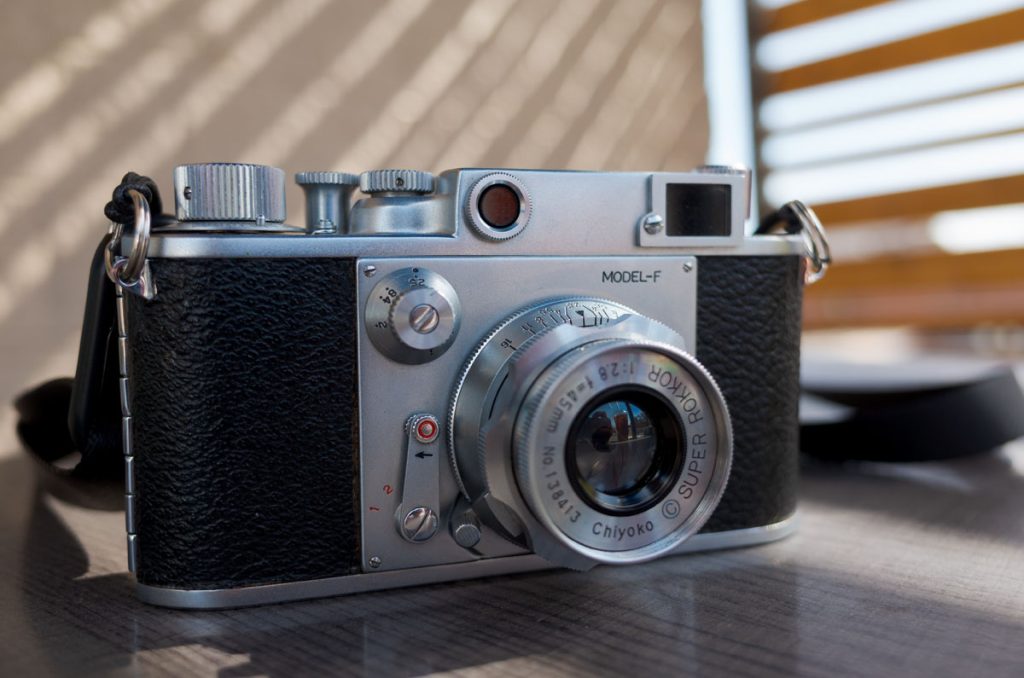
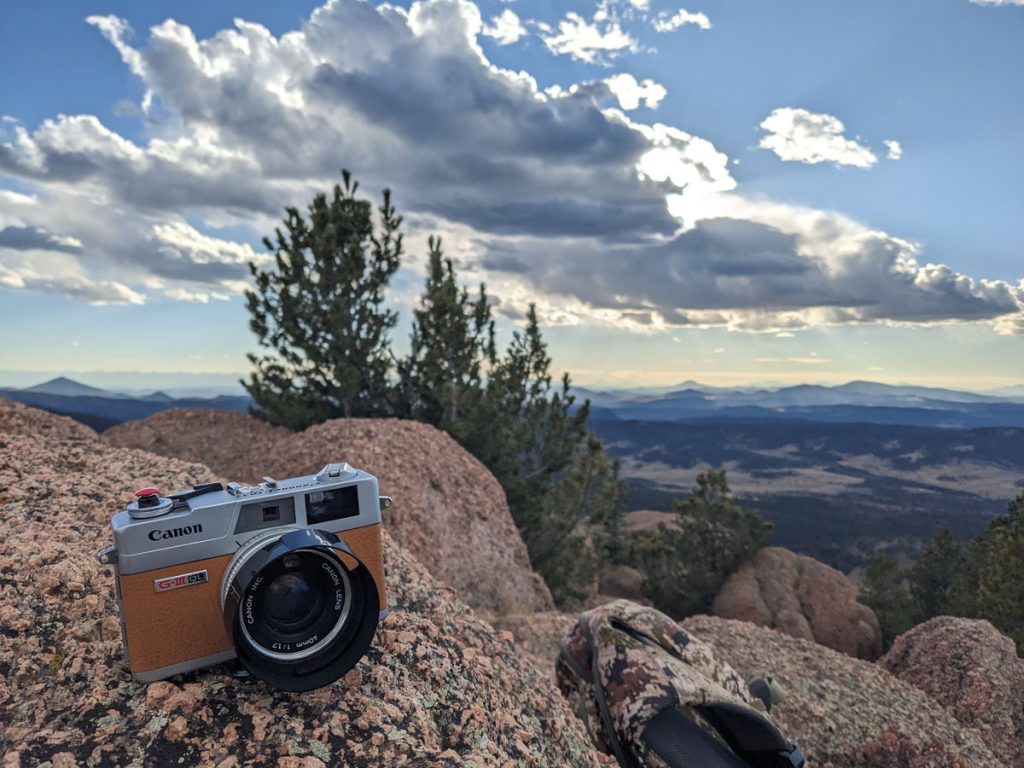
But ultimately, for the purposes of this discussion, that doesn’t really matter because everyone will have their own idea of what “feels” good – and if it feels good to them, then it’s a “good” camera they’re going to keep choosing to use.
As mentioned in the prior R4M article, that camera is a prime example of one whose subjective feel just doesn’t match its price tag – and of course that’s one of the most common internet talk condemnations of that camera (which I mostly agree with). But in spite of this, it’s still one of my most used cameras, so there must be some other subjective values that make a camera “good.”
This might sound like an odd one, and coincidentally the R4M is again a perfect example of it, but I need to actually be able to see what I’m doing, and the better the camera allows me to do this, the better the camera is.
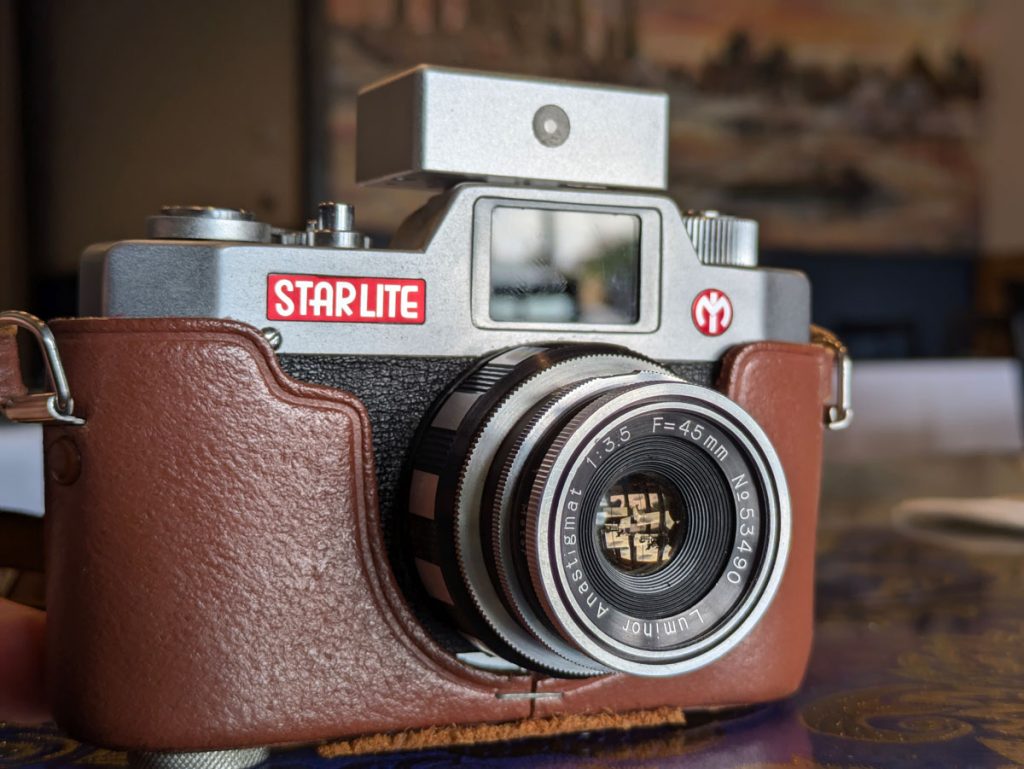
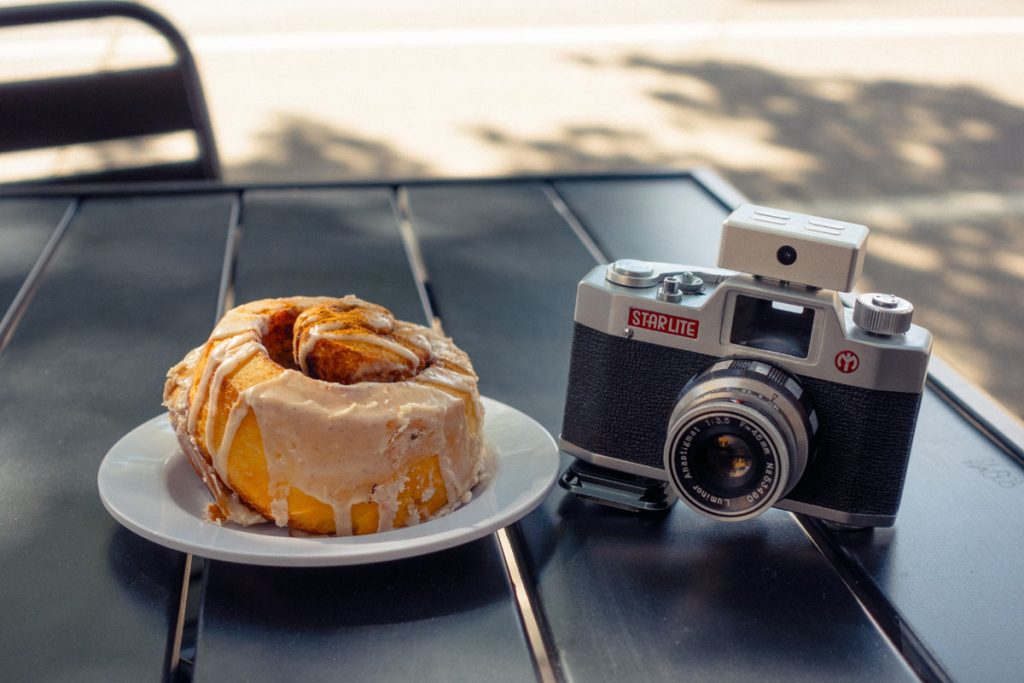
How Easily Can You See the Information You Need
This actually applies equally to digital and film because it covers a wide range of traits from EVF resolution and refresh rates on digital to film camera qualities like viewfinder brightness and coverage, light meter visibility, focus check method clarity, and even stuff like ease of diopter adjustment if you’re someone that wears glasses etc.
I have no idea what simple and concise term to use for this trait, but the bottom line is that if a camera makes it difficult for me to see my composition, focus, and/or exposure, in any or all lighting conditions, it sucks – and the easier a camera makes it for me to see these things, the better it is.
And not coincidentally this is why I keep picking up the R4M in spite of it feeling like it came out of a 25 cent machine, because it has the largest, brightest, clearest viewfinder ever fitted to any rangefinder camera, an LED meter that is readily visible in full daylight and gives specific EV information, and a rangefinder focusing patch that is easy to see even if your eye isn’t at the perfect angle to the viewer.
This trait matters because it’s the absence of unnecessary and unfun (more on these important qualifications in a minute) hurdles to the photo taking experience. If a camera makes the photo taking experience frustrating, it’s not going to get a lot of love. Seems common sense, yet these issues are very infrequently mentioned in reviews, instead glossed over in favor of more marketing department type specs.


Are Flaws Actually a Good Thing?
Directly related to the qualifications of those hurdles and probably most controversially, I think the final primary trait that makes a camera one I want to repeatedly pick up is that it does need to have some flaws and/or operational complexities.
Importantly, these aren’t experience ruining and frustrating issues like those mentioned above, and I realize everyone will have their own ideas of what flaws are endearing vs annoying, but the underlying point still stands.
I’m reminded of Jeremy Clarkson in an old episode of Top Gear defending his design flaw filled Alpha Romeo by saying that a car needs to have some flaws or you can’t bond with it; things that are flawless are unrelatable to humans.
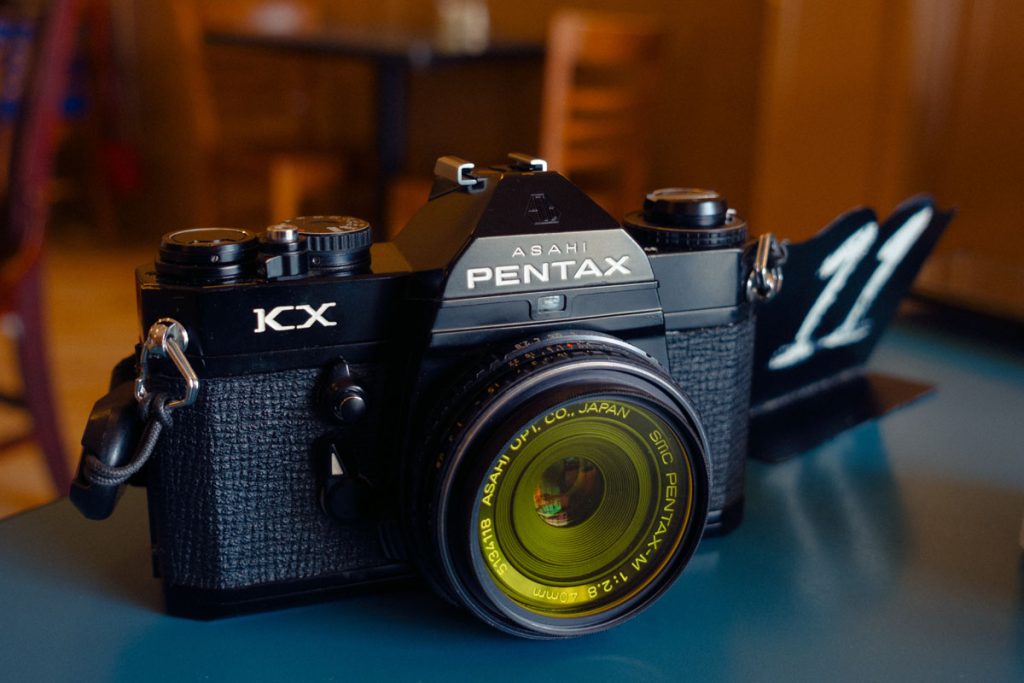
I feel exactly the same way about the cameras I most enjoy using. Aside from the work overlap issue, it’s exactly why I don’t like shooting Sony digital for fun. Those cameras are just well built, soulless appliances that take excellent photos in a completely seamless way that turns the camera into a transparent tool that you use to get a job done quickly and efficiently, which is what I want… at work.
These days everything is optimized for convenience, simplicity, and being as easy as possible to use. The soulless appliances and machinery made to these ideals are completely forgettable and uninspiring to me.
When I’m engaging in photography or any other hobby, I’m not looking to be accompanied by yet another bland but functional appliance that operates invisibly in the background of my experience. Quick, efficient, easy, convenient, and invisible are not what I’m looking for when I go out to take photos for fun.
It’s exactly why I choose to shoot film in the first place. It’s objectively slower, more difficult, less forgiving, etc. But that’s a major part of the appeal to me, as I’m sure it is for many other people. I’m not looking for the most fast food photography experience possible – I’m looking for an experience. That’s what a camera with some complexities and flaws gives me.
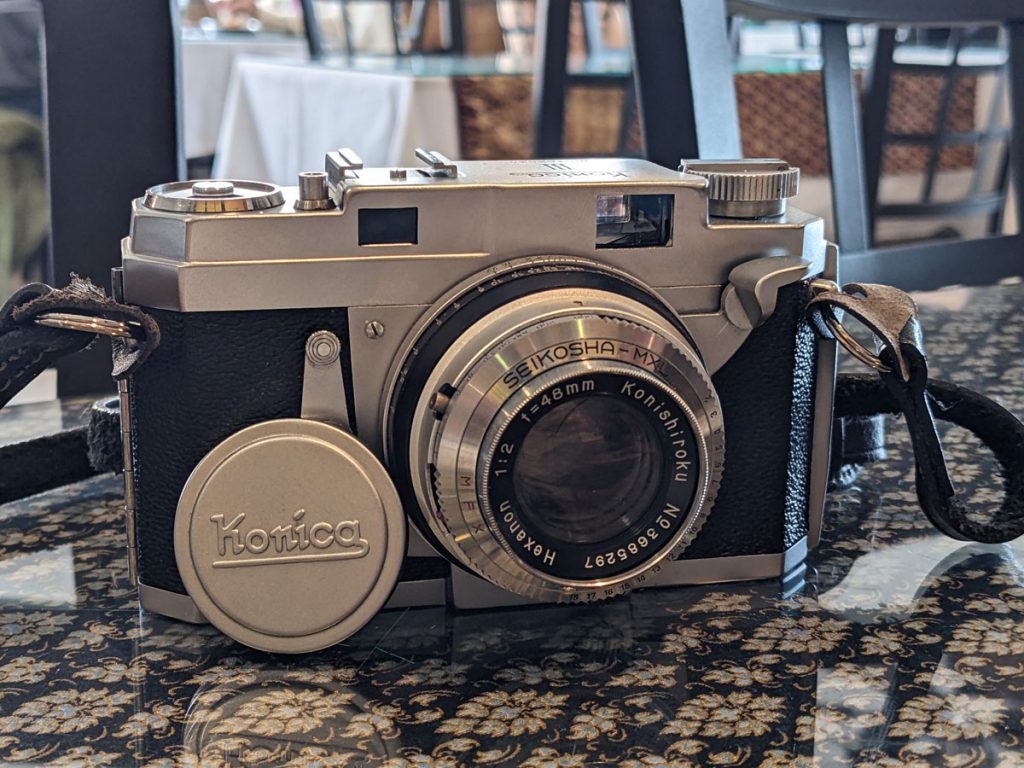
The film winding knob on my Contax IIa (find on eBay) is significantly slower than a standard lever and requires me to take my left hand off the camera to operate it – but every time I use it I get a first hand reminder of the incredible build quality of that camera, feeling the grit-free, buttery smooth movement of the winding gears and watching the clock like precision of the slower rotating inner shot counter disc.
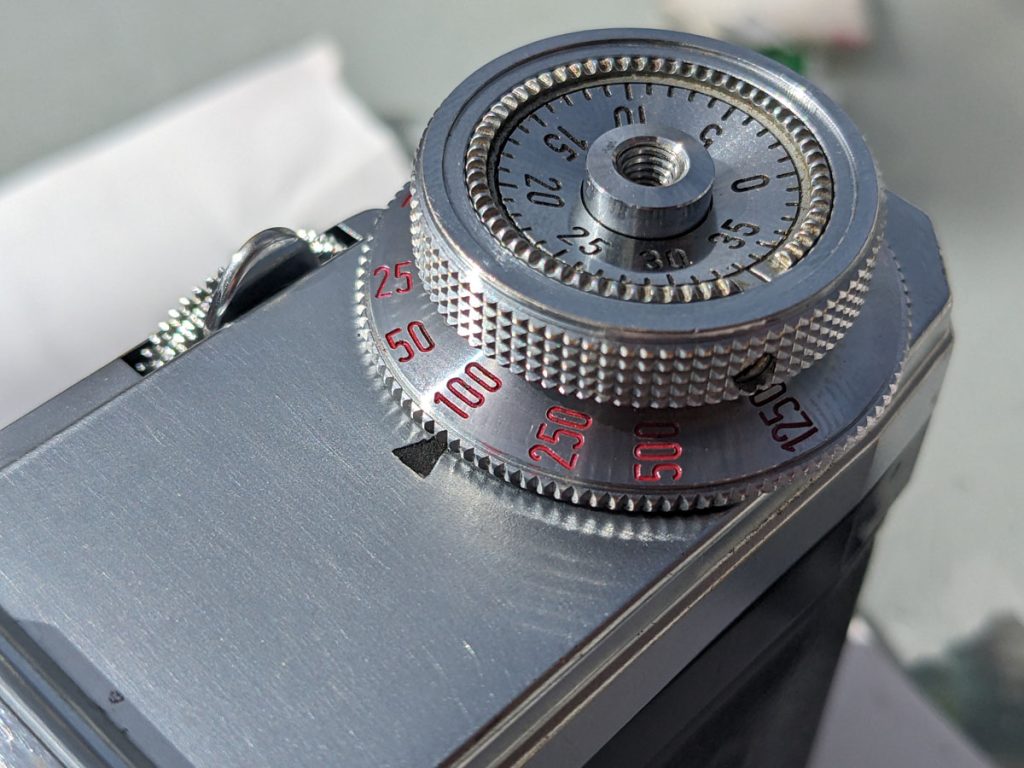
My Fujica ST901 (find on eBay) has a comically complicated and stupidly designed metering switch that leaves my right middle finger hurting after every roll (push in way too stiff button on front of camera, then hold in while rotating button ¼ turn clockwise to lock metering on before taking photo) – but it’s a reminder of the origins of auto exposure and how far things have come since it was the first M42 screw mount camera with aperture priority shooting.
I’m also a rangefinder lover. Aside from the R4M I have a Zeiss Ikon, the previously mentioned Contax IIa, a Contax III, a Contessa, a Minolta Model-F, a rare Yashica YF, and too many others. Rangefinders in general are a hassle. The framing is imprecise, they can’t focus close, you don’t get to see your actual shot through the lens, many don’t have auto parallax correction, etc., but I enjoy the experience of seeing the photos after and knowing I nailed that sun flare placement or that wide angle distortion even though I couldn’t see it.
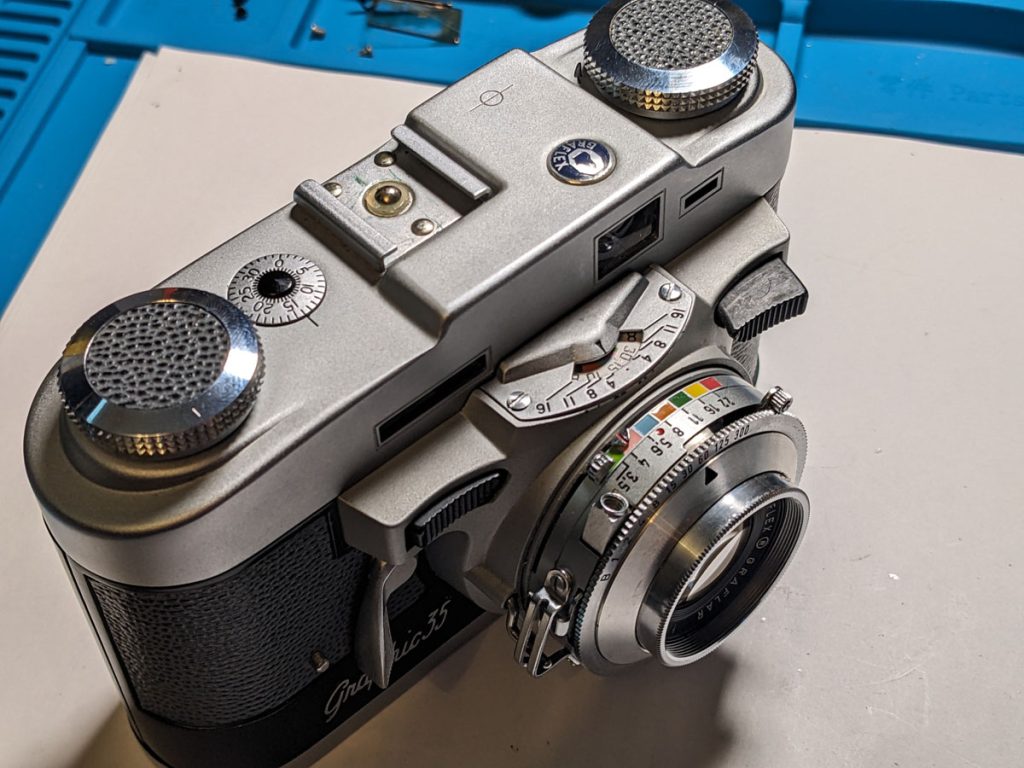
Anyone that owns an Exakta VX knows the heinously complex procedure to set slow shutter speeds on an already too complicated and ergonomically disastrous camera (won’t even attempt to describe it here, but I need to read the manual every time) – but it’s cool to appreciate how much thought and design effort must have gone into that shutter speed system that predates what we now see as “standard” SLR functionality.
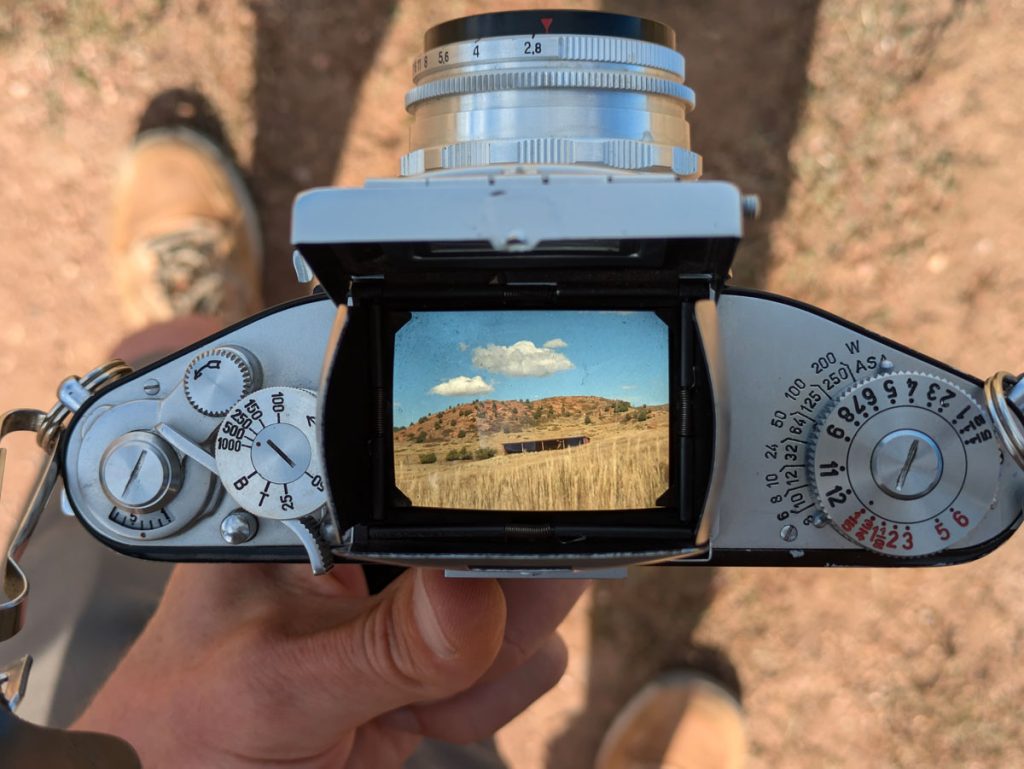
Even back to the original story of Fuji shopping that started this article, the X-Pro 2 I ended up with is essentially a step backward in the mirrorless age. I got it to be able to shoot a real optical viewfinder mirrorless camera. That inevitably comes with a slower, more complicated shooting experience that involves a lot more effort and thought from me… which is exactly what I want when I’m doing photography for the fun of it.

Final Thoughts
So have we learned anything here? Probably not. Can I at least summarize my thoughts in a somewhat articulate way? Maybe.
For me, and I’d be willing to bet for a large portion of non-professional film photographers, a good camera that’s going to keep me coming back to it needs to walk the fine line of being an experience in and of itself, while avoiding going so far as to negatively impact the equally important experience of actually taking good photos… or at least that’s what I’m going with for now.


Thank you so much, Tyler! Tyler is a regular contributor here at Shoot It With Film, and be sure to check out his other articles, like Repairing Your Own Film Camera: Lessons I’ve Learned and The Only One of Its Kind: Voigtlander Bessa R4M Review.
You can also find more of his work on Instagram here, and find his eBay store here.
Leave your thoughts about what makes a good film camera below in the comments!



Leave a Comment
Shoot It With Film on Instagram


Blog Comments
Eddy
May 22, 2026 at 12:26 pm
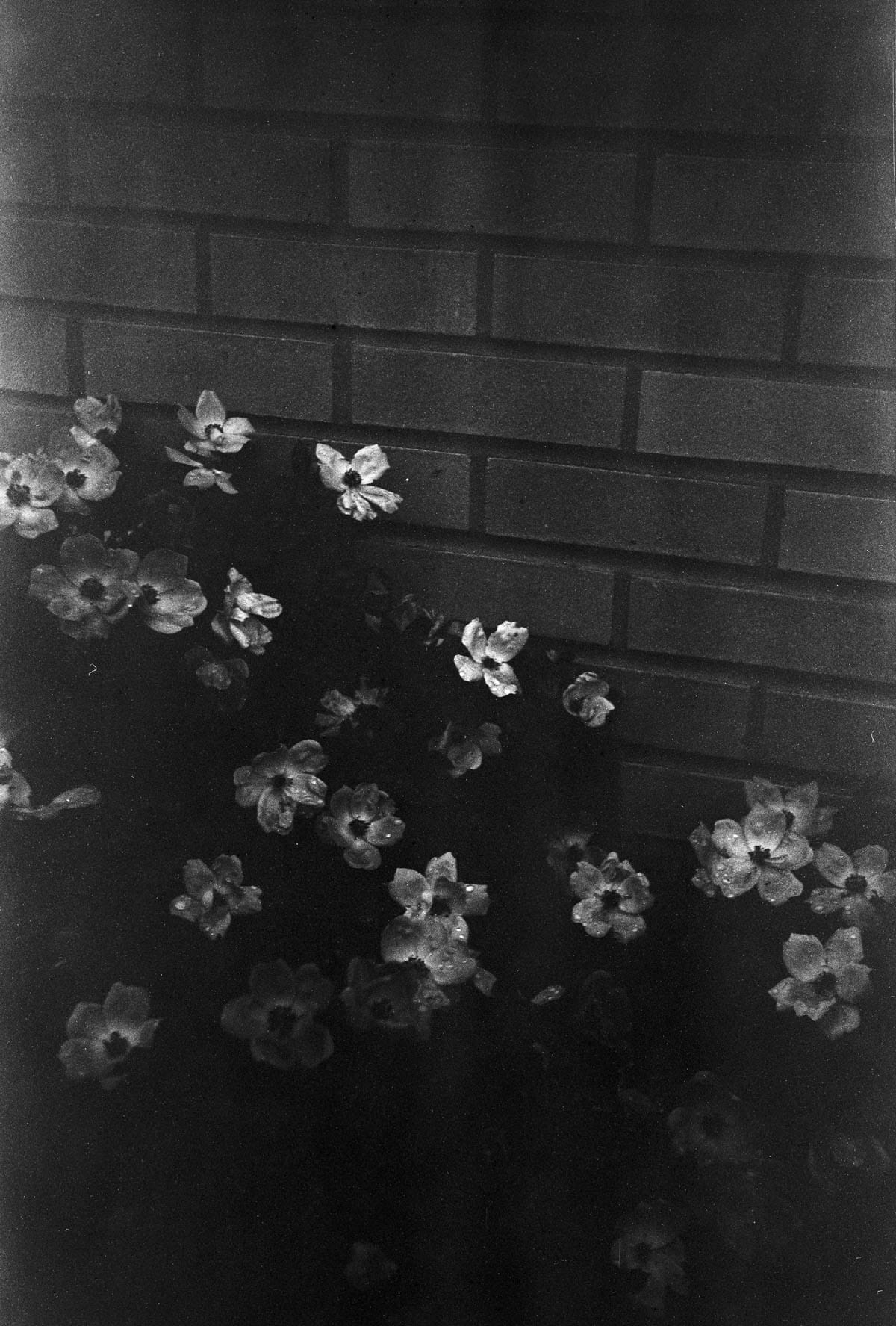
Nice photos. The Starlite camera peaked my interest. But the best cameras is the one in your hands. I have gotten great photos on an expired disposable camera I got at Goodwill. I do not like rangefinders at all. I put a portable viewfinder on my Holgas. I really like the photo of the flowers. You composed it with the layers separation of different flowers.
Adam SInger
May 23, 2026 at 10:29 am
Good article , and good pics, got me thinking. Being ancient and old enough to have seen the first episode of Dr Who. You know the one when the Dr went back to 1929 and bought a Leica Luxus which he sold to fund a dirty weekend with his ‘companion’, — thats the swinging 60s for you. So over the years have amassed cameras, and am blessed with a Tardis sock draw of cameras.
I discovered that regret is selling a camera, As Frank sang “Regrets I’ve had a few , mostly Zorkis beyond redemption”, but my biggest regret are the cameras I have sold, as needs must , but I miss them like the Alpa 9d (idiot!) with the sublime Kern Macro Switar , optical methadone for Summicron addiction. For me the heart of all this is that great tools sing to you, and make you desire to use them . Of course the only camera that counts is on the one in your hand blah blah, few eulogise over a Practicka or Chinon, though capable of producing good pictures , given the right driver behind the viewfinder. But you seldom feel that joy of engineering done right, great cameras engage its the difference between driving a Nissan Sunny or a Caterham, or the please make the road longer feel of a Porsche 356, or the engagement of lowering a an SME arm and stylus on to an LP rotated by Linn. This is a universal conversation it could be watches, bespoke shoes, or Saxophones. It’s about the engagement of a well crafted tool.
Tyler
May 28, 2026 at 12:46 pm
That’s spot on. A reply better than my actual article lol. It’s absolutely a universal conversation and it’s an appeal that’s gotten me into many other things including watches. In an age of mass produced crap, it feels great to engage with any tool that someone put real effort into designing and creating.
Laura Arabian
May 24, 2026 at 8:59 am
Great article I can’t tell you how many cameras I’ve cycled through in the last five years. I’m now at the point given age and experience where I’m thinning out my collection. I’ve gone back to DSLR, returned to Nikon and have recently placed money on the Nikon f80. I had the Nikon f100 loved it but I’m looking to lighten my load for travel. I’m even thinking of ditching the lot getting a Ricoh monochrome and calling it a day. I love shooting film and should push myself to do it all the time as an experiment as to where I’m at in my photography. I began in film as a kid in the 60’s. Where am I now in my seventh decade with film, only an experiment will tell me.
Chris
May 26, 2026 at 4:17 pm
Thanks so much for your thoughts on what makes a film camera good. I know there’s a lot of people who try to answer that, but my answer comes from a young guy at a music shop. I was taking guitar lessons and was waiting for my teacher one day. I casually asked the kid behind the counter what he thought was the best guitar and pointed to the row of Les Pauls, PRS and other expensive guitars hanging behind him. He very matter of factly answered- “the one you’ll play everyday.” What makes a film camera good is the one you’ll reach for whenever you go out.