

Written by Lars Kemnitz
In our digital world, we spend so much time looking at images on screens that creating something tangible—something you can actually hold—finds so much resonance these days. A photo book is such an object. It has presence, texture, and permanence.
Earlier this year, I wrote about the pleasures and challenges of making a photo book, drawing from the experience of my first one—a project I was genuinely proud of and that was warmly received. So, I decided to follow up on that first book with a second one, which presented whole new challenges. It reminded me of musicians who release a strong debut album and then face the dreaded second one, burdened by expectation and self-doubt.
The truth is: every new book starts from zero. Unless you’re working within a strictly defined frame set, each project brings new questions—about what to say, how to say it, and whether it even needs to exist in book form.
Find Petals Dancing in the Light at larskemnitz.com.

A Different Kind of Project
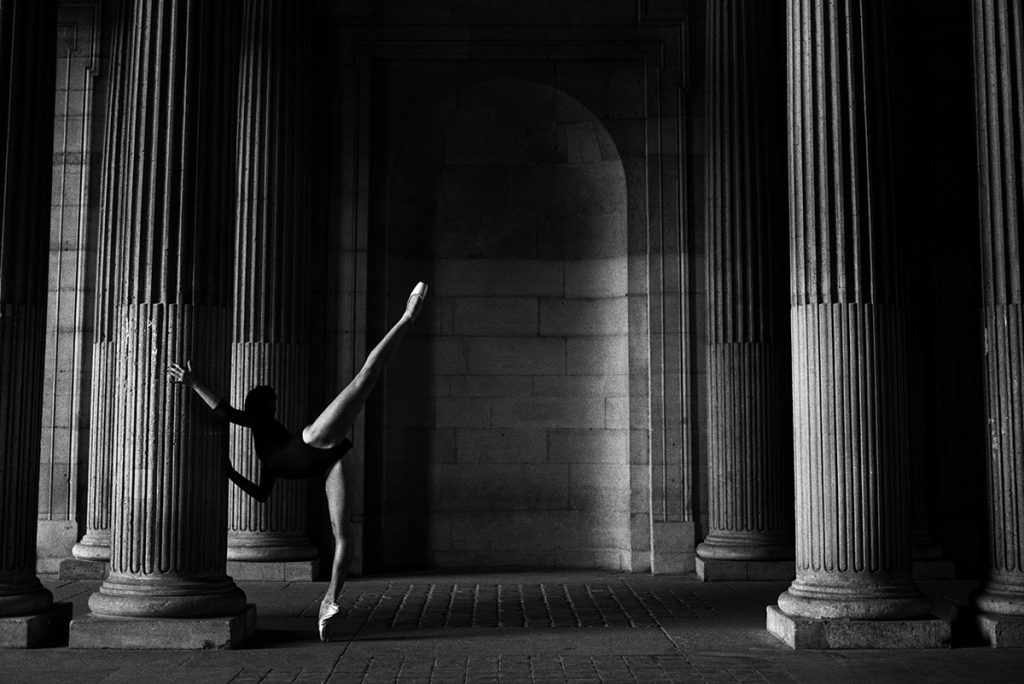
My new photo book, Petals Dancing in the Light, was a collaboration with my dear friend Luisa—a dancer, dance scholar, art historian, and dramaturg from Berlin. From the very beginning, it felt different from my previous work in almost every aspect.
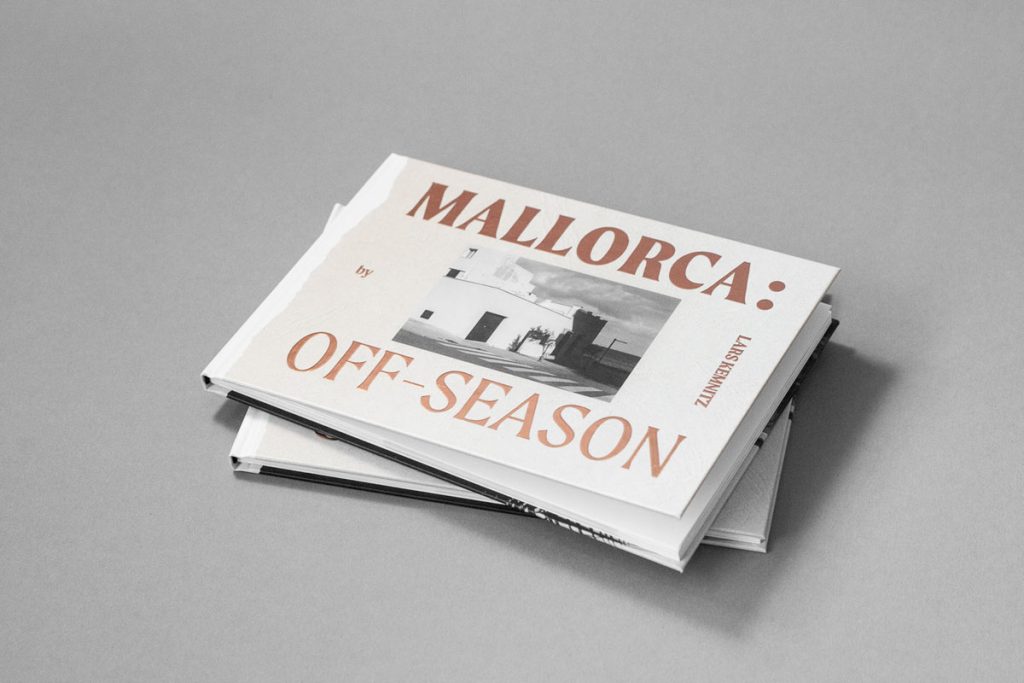
My first book came together quickly: a series of travel photographs taken over a short time in Mallorca, Spain. This one, though, took shape slowly over nearly a year and a half. It started in the summer of 2024 with a single photo session. At that point, there was no plan for a book at all.
Only after our second session, a year later, did the idea really click. The images began to connect—visually and emotionally—and I could suddenly see the book.
Once I shared the idea with Luisa, she was immediately in. From there, we developed it in a back-and-forth rhythm, a creative ping-pong that lasted until the book was finally published in November 2025.


What I Learned Along the Way
This time, I don’t want to go into detail about how to create a photo book, but instead share the lessons I learned while creating this second book.
1. Trust Your Instincts.
The subject of a book needs to feel right. Often, you’ll know this instinctively, long before you can articulate it.
If you’re unsure, ask yourself if your images tell a story or create a rhythm that could live comfortably in book form. Some projects are better as zines or prints, and that’s totally fine. The key is knowing what format serves your work best.


Related: 8 Tips for Making a Handmade Zine
2. Get Feedback, but Choose Wisely.
A second opinion can be invaluable—but only from people whose taste and honesty you trust.
When I shared my first draft layout with Luisa, I had included some Polaroid emulsion lifts and cyanotypes. I loved those pieces because I had invested a lot of time experimenting with them, but she gently questioned whether they really fit with the rest of the work.
At first, it was difficult to let go of them—they felt too personal, too connected to the process. But in the end, she was right. Once I removed them, the visual rhythm of the book became clearer and more consistent. It was a good reminder that editing is an act of refinement, not rejection.
3. Give Yourself Time and Distance.
When you’re deep in a project, it’s easy to lose perspective. Every draft feels final—until it doesn’t. Stepping away for a few weeks can work wonders.
Looking at the work with fresh eyes often reveals what truly belongs and what doesn’t. I’ve learned to trust the quiet test of time: if something still feels right after you’ve let it rest, it probably is right. If not, it’s time to adjust. Most often, the book will be better for it.


4. Do It For Yourself.
A photo book takes patience, commitment, and an unreasonable amount of love for the subject. If that love isn’t there, it’s simply not worth the effort.
Be honest with yourself at the beginning—about your motivation, your expectations, and your capacity to see it through. And if you’re working with collaborators, that honesty matters even more. A shared project thrives on shared conviction.
5. Learn to Let Go.
Making a book means making choices—sometimes painful ones. You’ll have to leave out photographs you cherish. That doesn’t mean they’re not good, or that they won’t shine elsewhere. But coherence matters more than attachment.
In the end, the strength of the book comes from what you decide to leave out just as much as from what you include.


6. Success Can’t be Planned.
There’s no fixed formula for promoting or selling a book, especially when it’s different from your previous one.
Like a musician moving from one genre to another, you may find that your audience shifts too. What matters is managing your expectations and staying true to your creative direction.
The satisfaction should come from the process—from making something that feels right to you.


Why Making a Photo Book is Worth It
Despite the effort, the uncertainty, and the countless small decisions, creating a photo book is one of the most rewarding things I know. There’s nothing quite like holding that finished object in your hands—the paper, the texture, the smell of ink—and realizing you’ve made something that will last.
Books stay with people. They don’t get lost in a feed or buried in a hard drive. They sit on a shelf, waiting for you to open them again.
When was the last time you scrolled through old photos on your computer or searched for that one Instagram post you liked months ago? Probably never. But a book—a real, physical book—invites you back, quietly and patiently. And that’s what makes the whole process so meaningful.
So keep creating. And let your projects grow in their own time. Every book, just like every photograph, teaches you something new. It’s worth it.


Thank you so much, Lars! You can find more of Lars’s work on his website and Instagram.
Leave your questions about creating a photo book below, and you can check out Lars’s Petals Dancing in the Light photo book here.
Leave a Comment
Shoot It With Film on Instagram


Blog Comments
Curtis Heikkinen
December 12, 2025 at 10:27 am
I can really identify with this piece. I have created nine photo books of my own. Each one has been a labor of love and provided a learning opportunity. Ideas for a book come to me quite easily. Sometimes the book comes together fairly easily. Other times not so much. I have found layout and design to be my biggest challenges. That stuff does not come as easily to me as writing text or formulating a concept for a book.
Coming up with an idea for a photo book, putting it all together and finally getting a copy you can hold in your hand is very satisfying. I don’t think anything you can do online can match the satisfaction one feels in holding a hard copy of a completed project. Anyway, enough about me.
I really enjoyed your piece. Lots of good tips in this article and your other one. Your books look wonderful. Your first one about Mallorca is more along the lines of what I have done. Like yours, my books are self-published. Who does your printing? That is one part of the process that is out of my control. Getting a good print job is not always easy, or at least it hasn’t been for me.
The other part of all this that is out of the author’s control is what happens to the book after someone obtains one. I always fear my books are looked at one time and then consigned to a bookshelf until it ends up in a landfill at some point in the future. Do you think about what happens to your book after a copy leaves your possession? Do you wonder if your creation has any lasting impact? Or do you simply not think about it because you have no control over what people will do with the book.
I’ve gone on too long. Again, great work on this piece. Congratulations on your creations. Thanks for posting this piece! All the best to you!
Bill
December 13, 2025 at 8:28 am
My reply is to Curtis, In my research about print houses the name Mixam comes up most frequent. I have not used them yet but know people who have. They were all happy with the product.
I am working on a book series. Maybe that will encourage people to re-visit past printings.
Lars Kemnitz
December 14, 2025 at 6:21 am
To Curtis: Thanks so much for your kind words! That makes me very happy to read that the article resonates with you.
Concerning your questions:
First of all, printing is done by a local printing house that I trust. I made bad experiences with big online printing services. I was never satisfied with the quality. And you’re right: a bad printing job really kills a book! I would recommend testing a lot.
And your second question: Once I release a book, I’m fine that it is out of my control. I always hope it finds a loving audience that appreciates the passion that went into making the book. Most often I receive lovely feedback from people who bought a book. That gives me motivation for my work.