

Written by Katya Rowny
Over the past few years, we have had an influx of new film cameras arrive on the scene (talk about an oxymoron!). From the half-frame Pentax 17, to the Rollei 35AF from MiNT, and most recently the Snapic A1 from Kodak.
Unfortunately, most of these cameras are not cheap, with the range being in the $100’s for the Snapic and the $500s for the Pentax 17. I have to admit, I am not impervious to all of these new models and makes, and have been secretly coveting the Snapic A1 for a while.
In an attempt to further dissuade myself from acquiring more cameras, (did you read my other article where I mentioned I have a slight camera hoarding problem?) I decided to re-examine my collection of point and shoots and remember why I fell in love with them in the first place.

1. Chinon Bellami
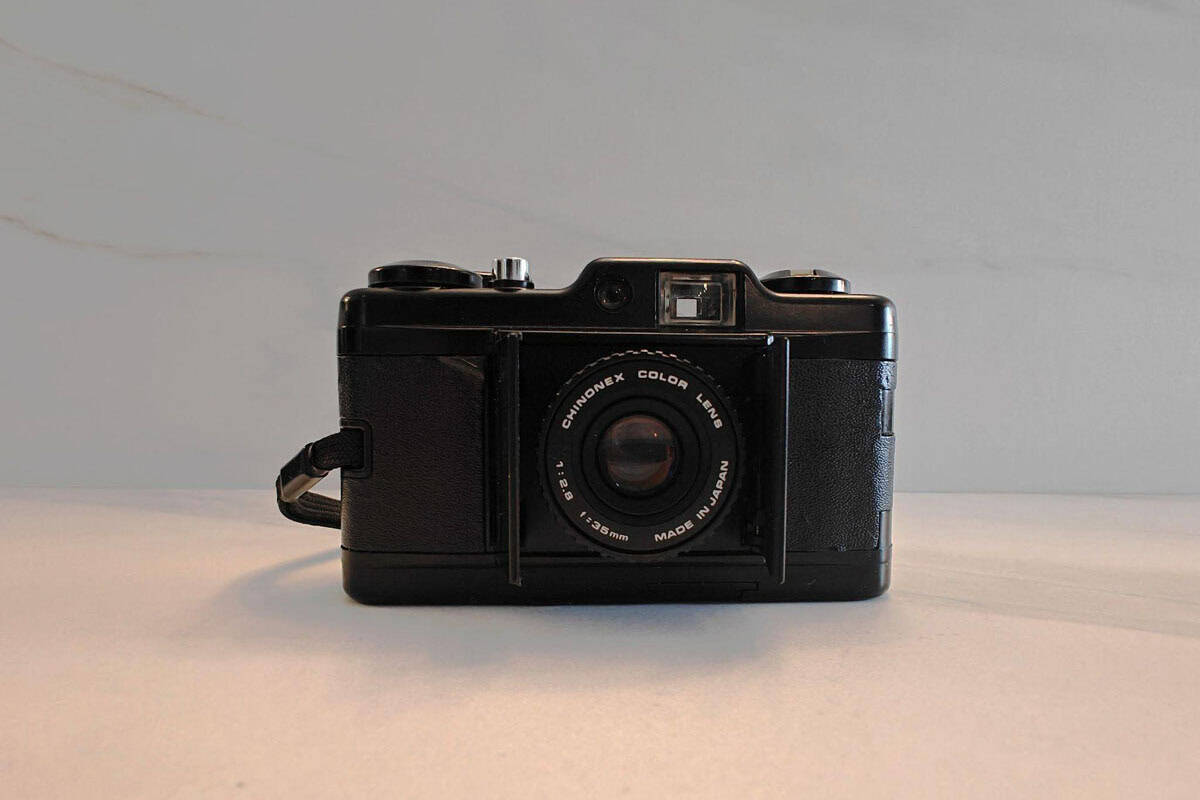
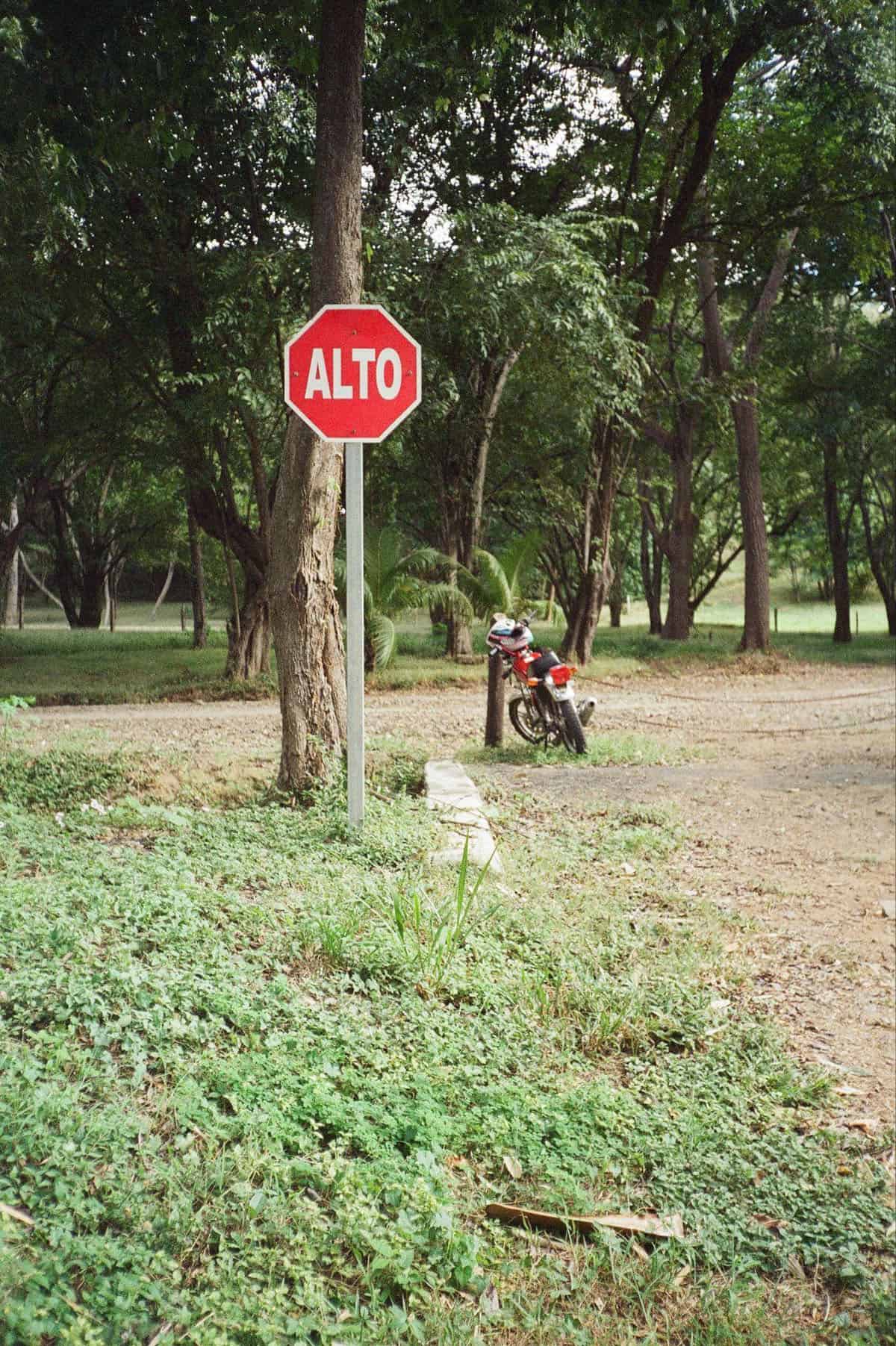
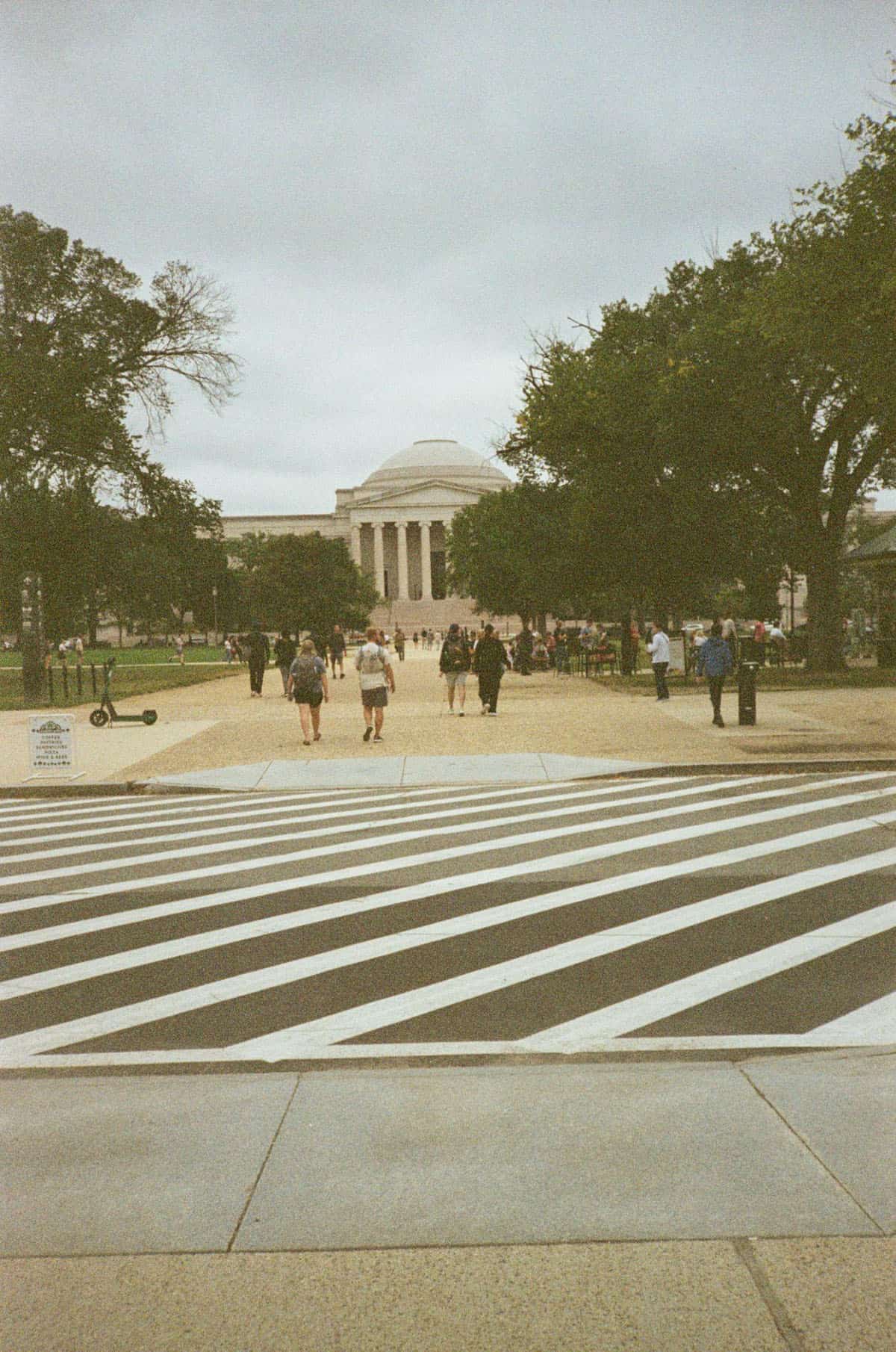
First up is the Chinon Bellami (find on eBay). Also known as the Revue 35CC in some markets. This camera is one of those surprisingly cool cameras that often flies under the radar. I picked this camera up at a swap meet for under $20 and was drawn in by the size and unique design.
Introduced in 1980 as a competitor to the Olympus XA series, it packs a lot into an incredibly compact body. Instead of a traditional lens cap, the Bellami uses a clever “barn door” mechanism that opens when you advance the film, revealing a sharp 35mm f/2.8 lens Chinonex Color lens.
The Bellami uses automatic exposure, has a fast shutter ranging from 1/8 to 1/1000 second, and simple zone focusing. This camera slips easily into a pocket, has a quiet shutter, and requires very little thought beyond estimating your focus distance. The perfect grab and go camera.

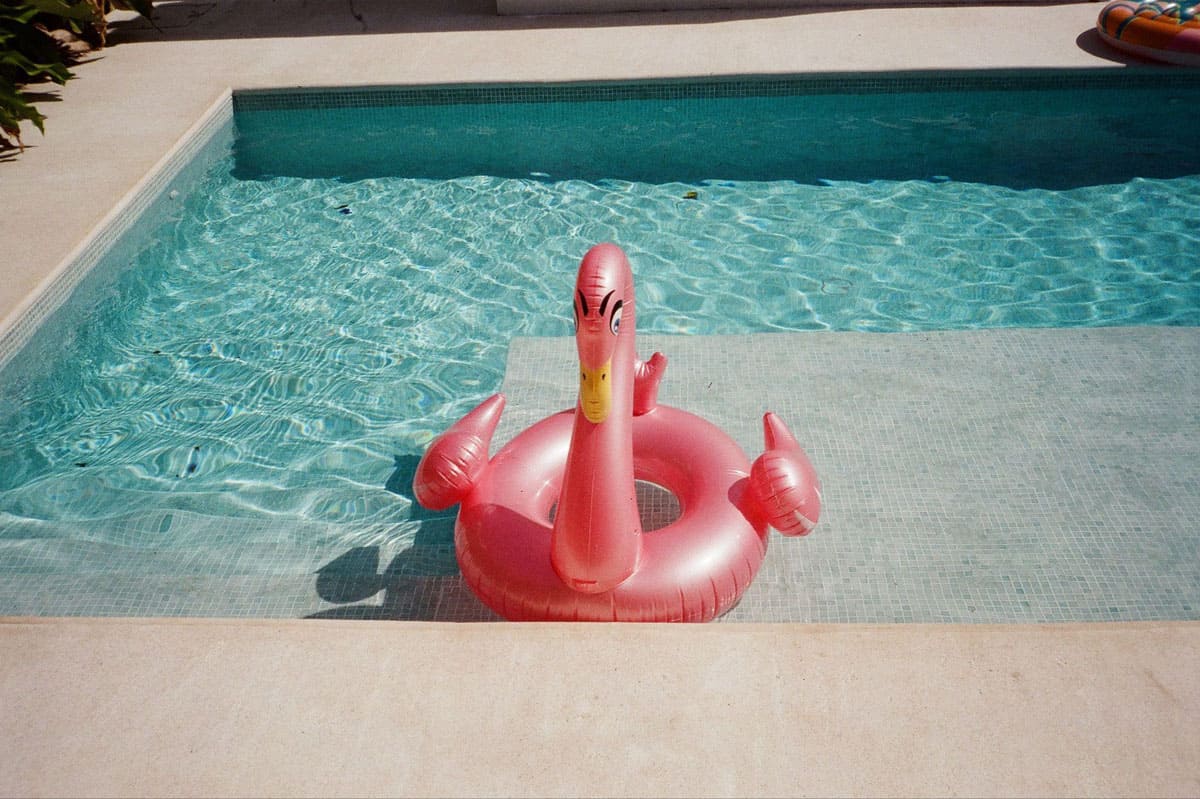
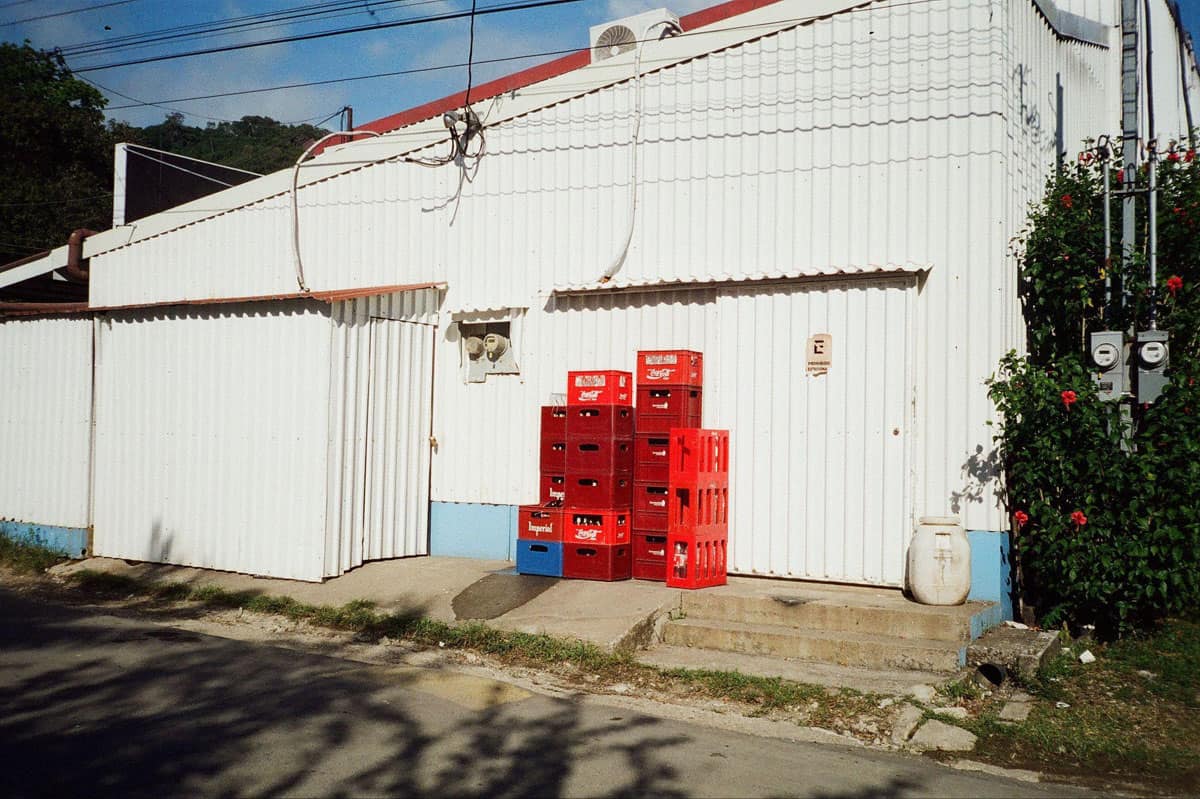
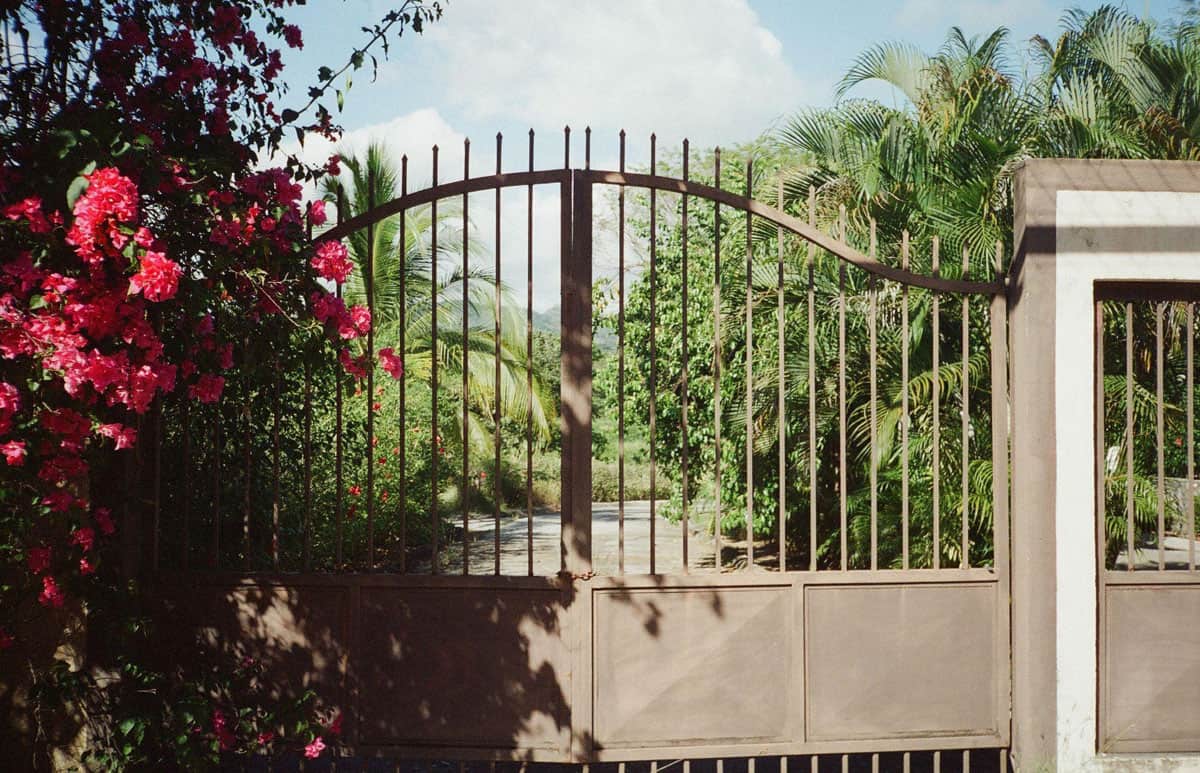
In everyday use, the Bellami proves to be more than just a cute little camera. The camera handles exposure automatically, leaving you free to focus on composing your shot, while simple zone-focus settings keep operation straightforward. I was impressed by the image quality of my prints, noting that the lens produces sharp photos with rich colors and strong contrast despite the camera’s age.
Combined with a satisfying film advance, quiet shutter, and lightweight design, the Bellami is fun and effortless to shoot. While it may not be as well known as some of its contemporaries, It has become one of my main go-to’s when I want to quickly capture memories instead of focus on settings.
Read the full Chinon Bellami review here.
Find the Chinon Bellami on eBay.
2. Olympus XA2
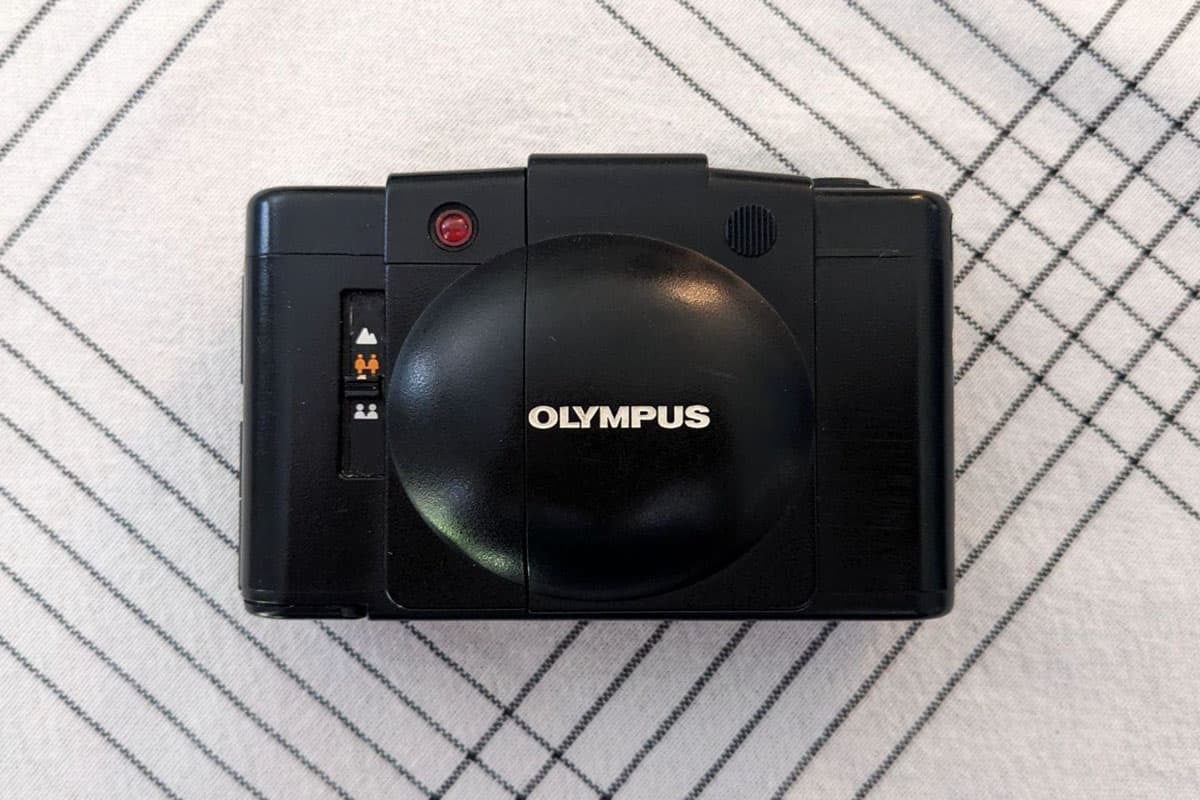
The Olympus XA2 has earned a reputation as one of the best compact film cameras ever made, and it’s easy to see why. I can’t rave about this camera enough; I recommend it to anyone who will listen. Small enough to slip into a pocket, simple enough for beginners, and capable of producing fantastic images, it’s the kind of camera you can take anywhere.
Released in 1980 as a more user-friendly version of the original XA, the XA2 swapped the rangefinder for a simple zone-focus system while keeping the iconic sliding clamshell cover. Paired with the sharp 35mm f/3.5 Zuiko lens and automatic exposure, it offers a great balance between convenience and image quality.
What really makes the XA2 special is how easy it is to shoot and the image quality. Open the lens cover, set the focus zone for your subject, and let the camera do the rest.


This camera is the perfect travel companion and everyday carry camera, thanks to its lightweight design, quiet shutter, and consistently sharp results.
Like any camera that’s over 40 years old, it has a few quirks—aging electronics that may need some extra attention and occasional light leaks can happen—but those drawbacks are minor compared to everything it does well.
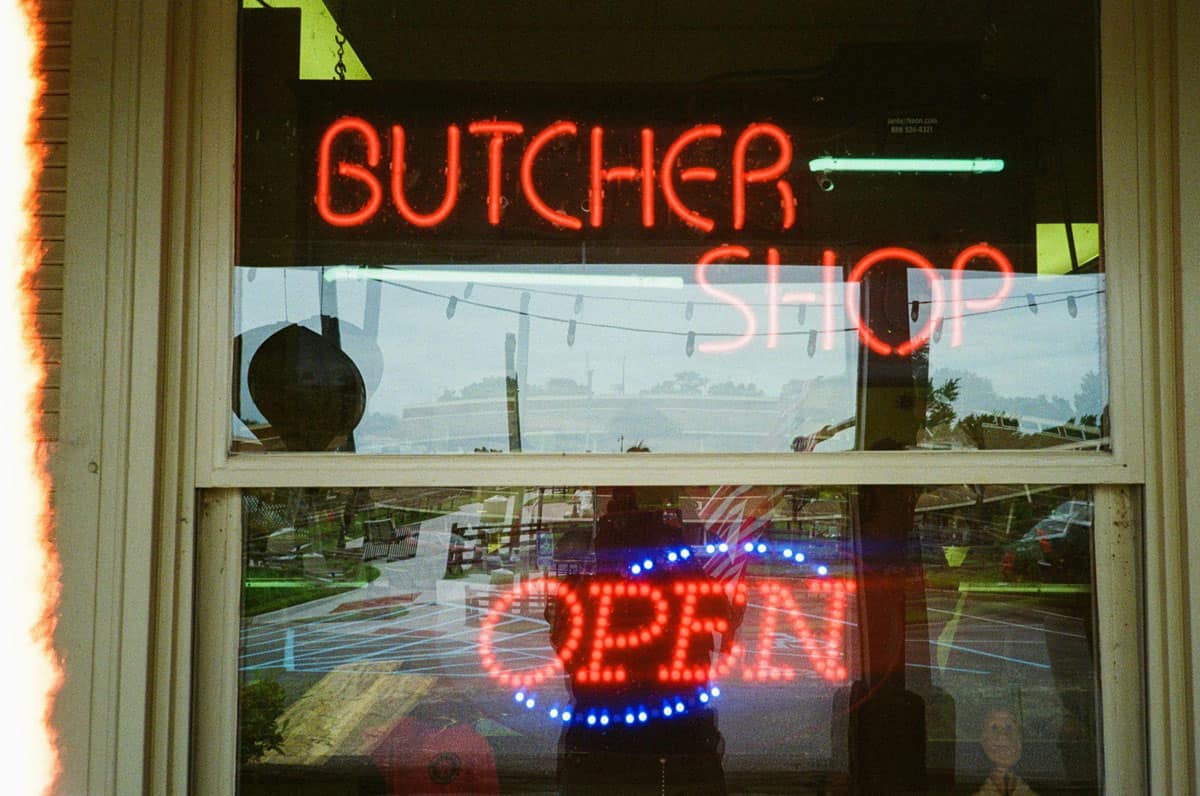
I have captured some of my favorite images on this camera, and it has traveled to many countries with me. For anyone looking for a reliable, pocket-sized film camera that delivers great photos without a lot of fuss, the XA2 remains one of the best options out there.
Read the full Olympus XA2 review here.
Find the Olympus XA2 at KEH Camera or on eBay.

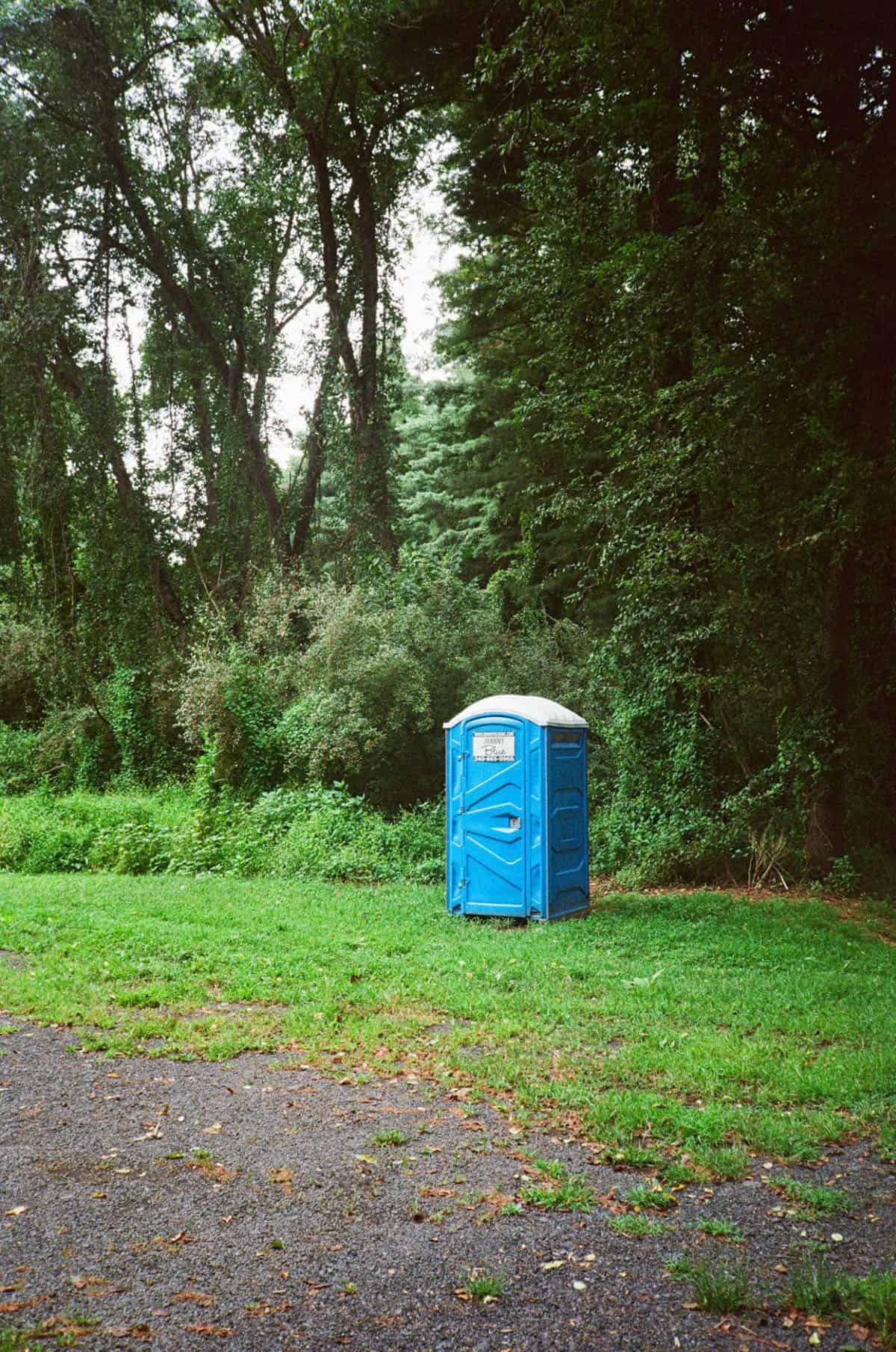
Related: 12 Best Point and Shoot Film Cameras
3. Olympus Trip AF
Last but not least, the Olympus Trip AF (find on eBay) is one of those cameras that you may pass over but deserves a second glance, especially if you’re a fan of the legendary Olympus Trip 35.
Introduced in 1984, the Trip AF represented Olympus’s move into the new wave of electronic point-and-shoot cameras. Unlike its metal-bodied predecessor, the Trip AF is mostly plastic and built around convenience. It features a 35mm f/3.5 Zuiko lens, manual film advance and rewind, a built-in flash, and a surprisingly simple autofocus system with just two focus points—roughly 1.5 meters and 4 meters.
Exposure is fully automatic, with shutter speeds ranging from 1/85 to 1/250 second and apertures from f/3.5 to f/11, making it a true grab-and-go camera. You can check out the manual here.
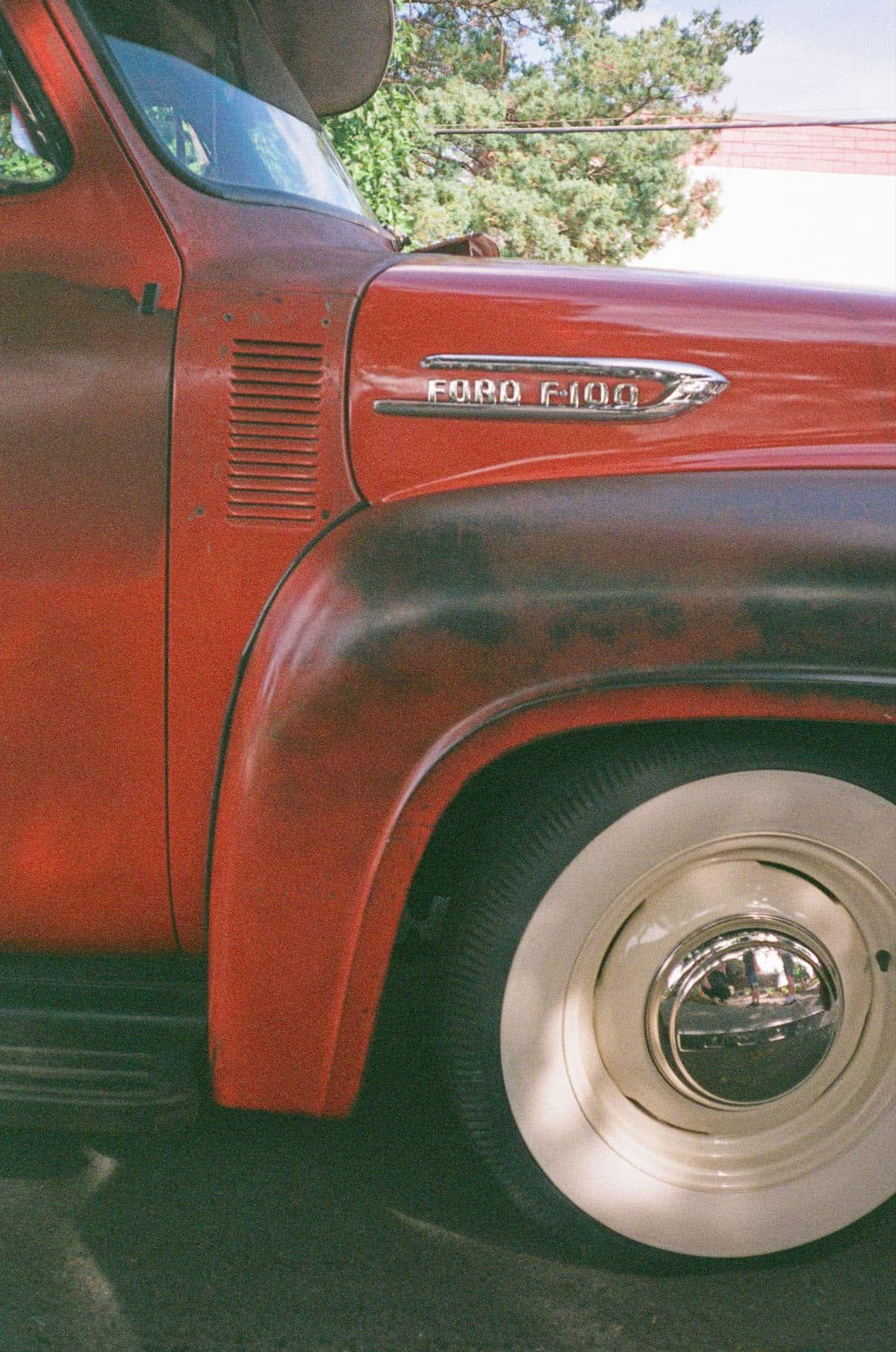
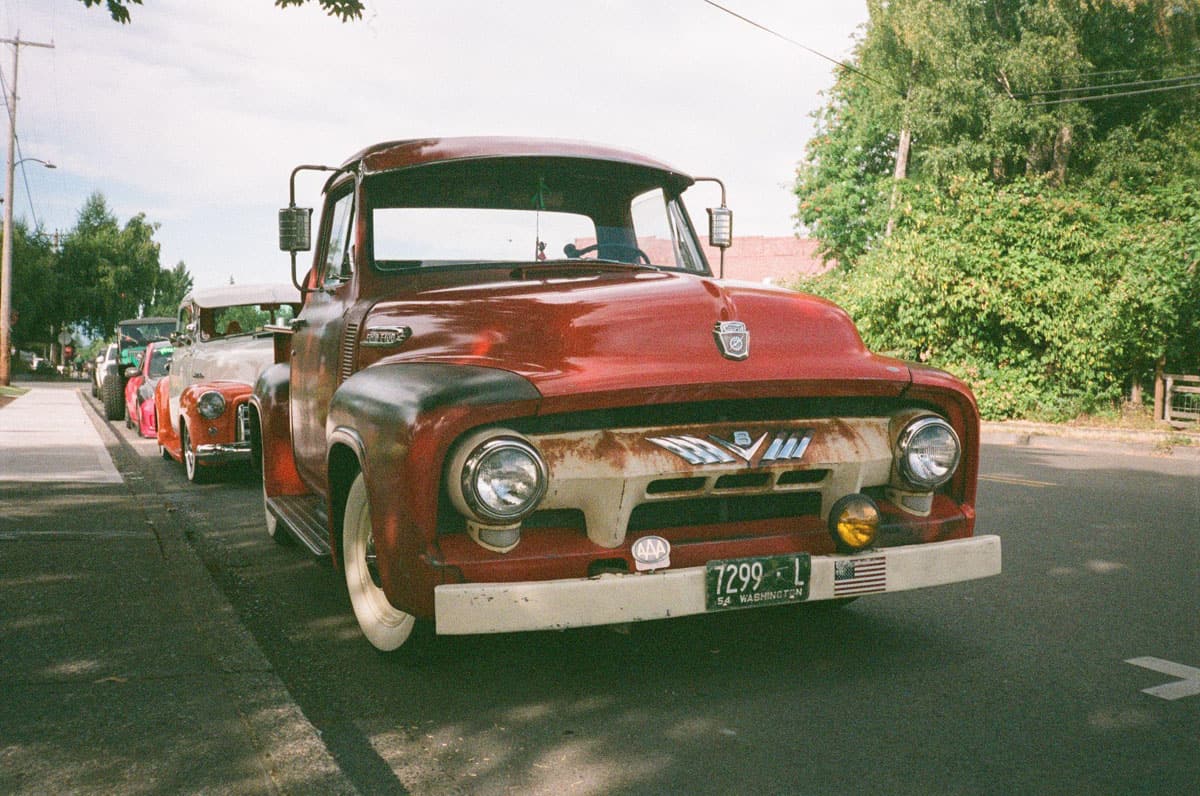
The Trip AF line was part of Olympus’s broader AF (Infinity in the U.S.) family of autofocus compact cameras. Compared with the Trip AF, premium models like the AF-1 offered a faster 35mm f/2.8 lens, closer focusing, a wider range of shutter speeds, DX coding, and accessories like teleconverters and close-up lenses.
The AF-1 Twin expanded the idea with both 35mm and 70mm lenses, while later cameras like the AF-10 XB featured a wide 29mm lens and a large, bright viewfinder. The biggest difference between the Trip and AF models was that Trip cameras focused on maximum simplicity with fixed shutter speeds, while AF models offered more advanced, program-controlled exposure systems.
Find the Olympus Trip AF on eBay.

Final Thoughts
Some of these cameras are more well-known than others, but every one of them has earned its place as a great compact point-and-shoot. Whether you’re just getting started with film or you’ve been shooting for years, you really can’t go wrong with any of them. The right choice simply comes down to how much control you want over your photos.
As tempting as it is to chase the latest hyped-up film camera, I often have to remind myself that I already own some amazing cameras that are more than capable of producing beautiful images. The truth is, there are plenty of affordable and often overlooked cameras out there—you just have to know what features matter most to you and do a little hunting.
The only question that remains is which one will you choose?

Thank you so much, Katya! Katya is a regular contributor for Shoot It With Film, and you can check out her other articles here, such as 12 Months, 12 Cameras: The Film Photography Project That Changed How I Shoot and 5 Unconventional Ways to Find Your Inner Artist.
You can also find more of Katya’s work on her website, Instagram, and YouTube.
Let us know any questions you have about these point and shoot film cameras below in the comments!


Leave a Comment
Shoot It With Film on Instagram


Blog Comments
Bengt Bendix
July 31, 2026 at 10:22 am
Point and shoot cameras are adorable! I’ve got a couple of them on my shelf. And I use them from time to time. Olympus Trip 35 of course and my half frame darling The Olympus Pen EES-2! It fits both in my hands and in my pocket and is so simple and fun to use. Delivers great pictures with pronounced grain and boost my photographic spirit too. Point and shoot and get lucky!
Katya
August 3, 2026 at 10:39 pm
I’ve heard great things about both of those cameras! Unfortunately, I haven’t shot with either, but may need to add them to my list for future adventures! I really love how accessible and easy most p&s cameras are. Thanks for reading and commenting 🙂
Eddy
July 31, 2026 at 12:47 pm
Nice photos. Pentax is coming out with another half frame but an SLR. I love my point and shoots. I love my Olympus Xa and xa2. My Samsung Evocas and Pentax IQ zooms . Both have bulb settings and take great photos. And my Konica MG and Vivitar tech 45. I bought all my cameras for $25 and under or were given to me for free. My Rolleicord was $175 though . I need to use it more but Use my late dads Kodak Brownie Bullseye alot for abstract night photos.
Katya
August 3, 2026 at 10:42 pm
Eddy! Thank you for the nice words, I absolutely adore my Olympus XA2, I would love to get my hands on some of the others in the line to try. I have never heard of the Konica MG but after researching it, I must find one! Sounds like you have a lovely collection to rotate through! Thanks for commenting : )
Craig
July 31, 2026 at 4:38 pm
Were the Chinon Bellami photos made in Samara?
katya
August 3, 2026 at 10:43 pm
Hi Craig,
Yes, they were taken in Samara, CR. You have a good eye to figure that out! It was our first time to that part of CR.
Thanks for reading and commenting!