

Written by Katya Rowny
I remember when I realized that I was hoarding film cameras like a kid hoards candy after Halloween. I was always hunting for the next “good deal” when it came to film cameras. From estate sales, to eBay, and neighbors in between, I amassed a collection of roughly 50 analog cameras.
And in the excitement of accumulating my collection, I realized I didn’t know if they worked or were just sitting heirlooms of days gone by. With this awareness, I was overwhelmed and paralyzed.
With the help of my friend, Amy Jasek, 12 Months on Film was born.
Find the 12 Months on Film project on Instagram.
The 12 Months on Film Project
The idea was simple; 12 months, 12 different film cameras. A way to suss out what was operational and what was junk. If someone didn’t have 12 different cameras, then 12 different film stocks.
My goal was to actually use the cameras I owned rather than just buy the next cheap one that came along.
Looking back, I realize that buying and hoarding film cameras became a compulsion, a habit rather than the joy that came from using the cameras. Changing my focus to using the cameras rather than amassing them, I launched the 12 Months On Film project on Instagram, with hopes to inspire others to join.
The community was immediate. Photographers from all over the world joined, and our little movement gained followers and interest. People began sharing the cameras they were using and the photos they were taking.
12 Months on Film became a gathering place for anyone who wanted to use their film cameras, not just let them gather dust.
Along the way, I learned some important lessons about myself.
Setting Myself Up for Success
I attempted to do the Frugal Film Project, a few years prior and ended up quitting towards the end. I don’t remember the reason, maybe I got bored or restless shooting only b&w for a year, but, regardless, I wanted to set up the 12 Months on Film project for success.
Success for me looks like flexibility, whether that’s using different cameras or lenient deadlines for sharing images taken during the month, I wanted guidelines rather than strict rules. I tried to make the project flexible enough that rigidity wouldn’t turn people away or cause them to freeze and give up.
Although there definitely were a few weeks where I struggled to pick up the camera and continue. Between the unknown variables that come with shooting a camera almost as old as I am, the risk versus reward played with my motivation whether to continue or not.
In the end of the 12 months, I did “complete” the project, and I say that in quotations because there were some months where one month dragged into another when I finally finished the roll. Or in October, when I got my roll developed and only three shots were developed.
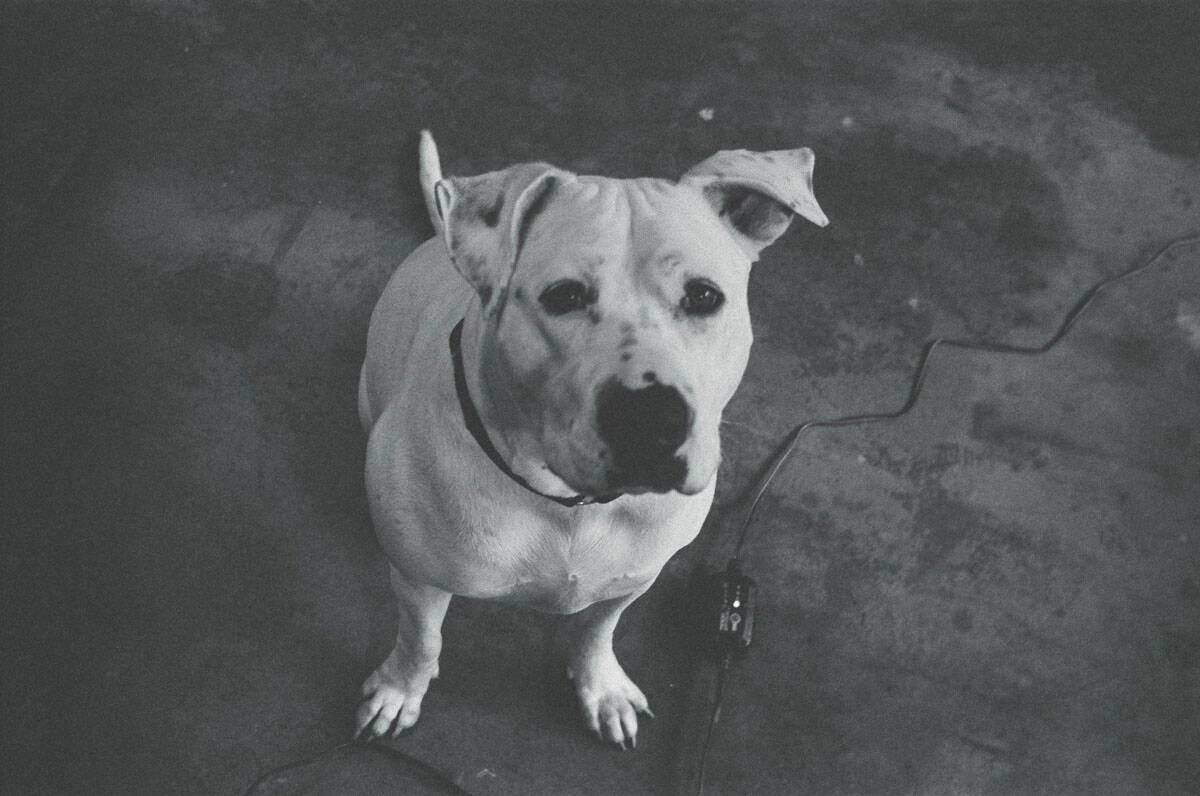
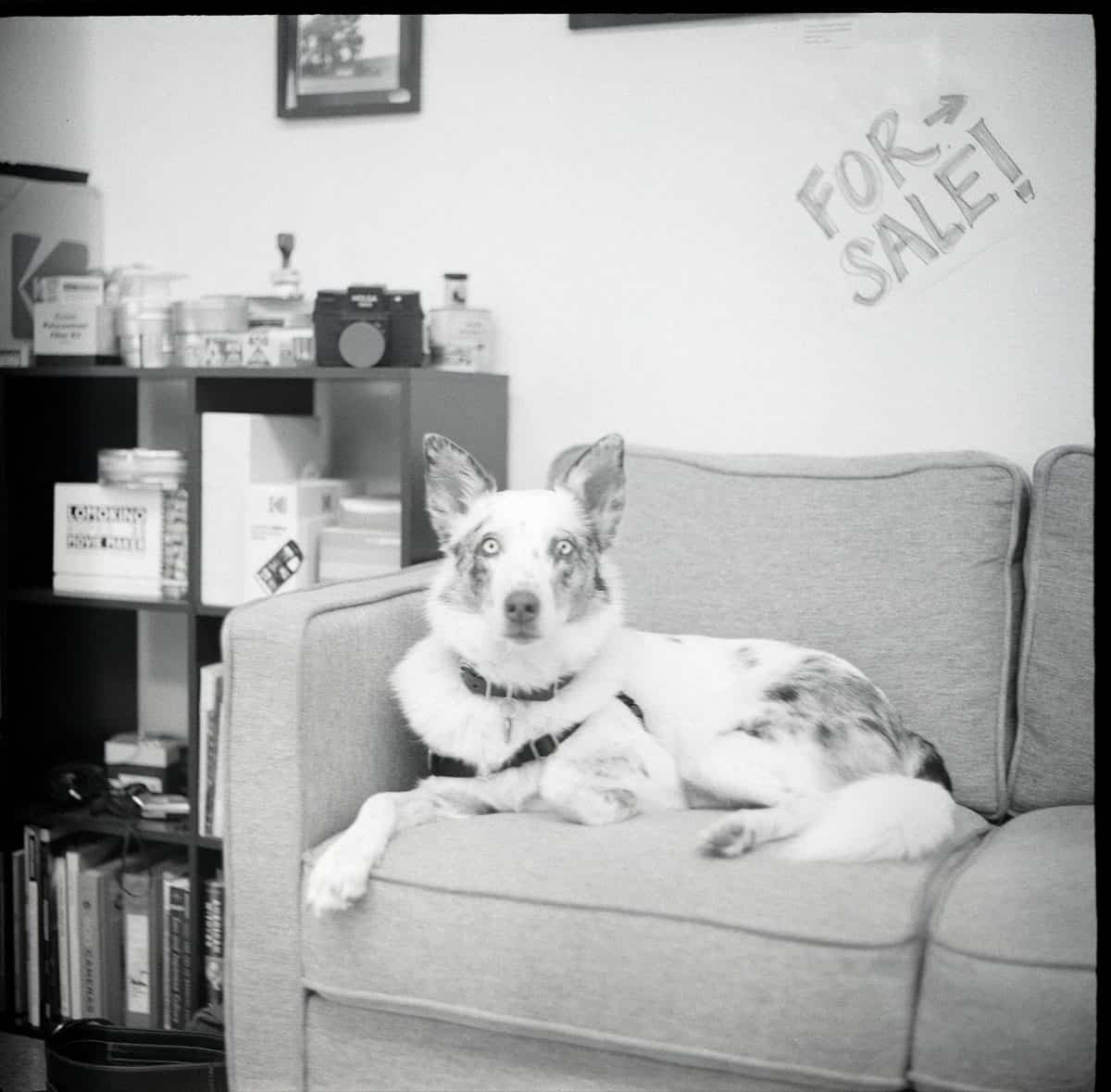
Expect the Unexpected, Be Adaptable.
I hadn’t realized how rigid I was in my documentation with film photography. While I love the medium, I found myself restricting the shots and second guessing if it was “worth it.”
I learned that time passes anyways. Whether I take the shot or not, time moves forward, and I would rather document than let it disappear. I found myself playing around more and taking “risks” with different styles of photography.
I hadn’t realized how unyielding I had become shooting film, only shooting certain styles or what would look “good” on social media. Shooting for likes versus myself was certainly a path I did not want to continue on, and, gratefully, towards the end of the year, I found myself rejecting status quo and shooting for myself again.
After all, I was going to have a new roll the next month. I may as well try.
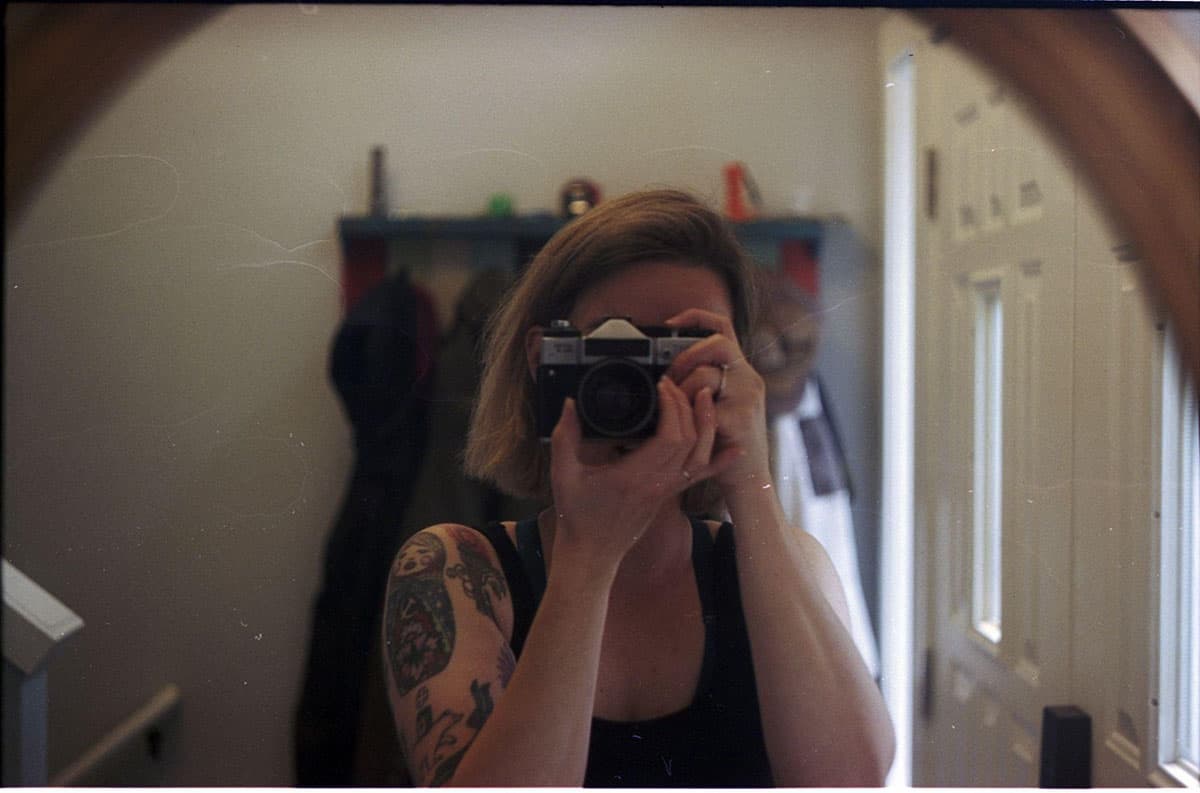
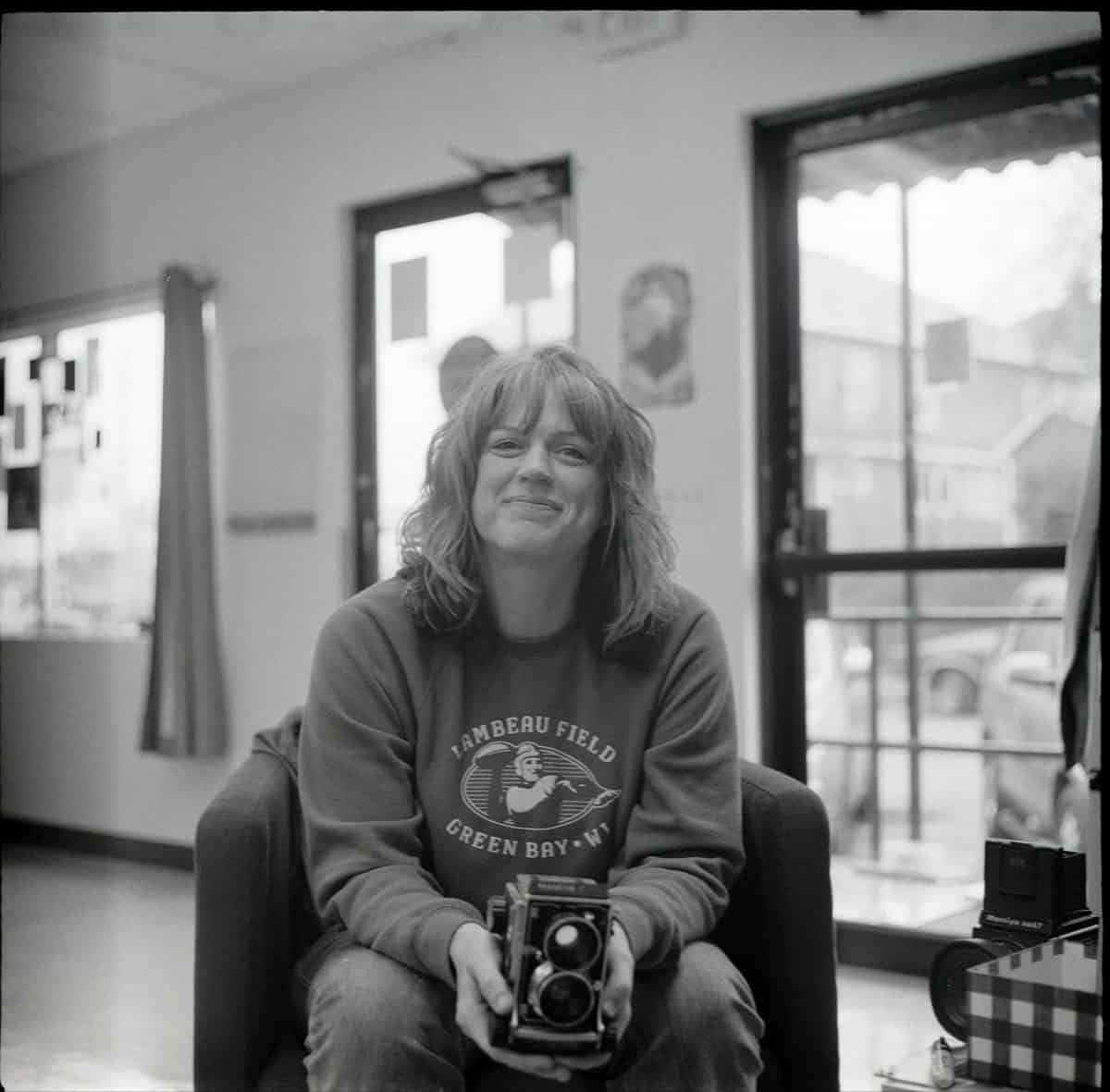
My Takeaways
I’m so grateful for this project and the ability and means to finish it. I learned which cameras worked and which ones I actually wanted to use again. I used nine different 35mm cameras, two different medium format cameras (the Kodak Brownie was used twice). four rolls were black and white and the rest a mix of fresh and expired color films.
I really enjoyed using some unique cameras like the Kiev 60 and Zenit ET with the helios lens. I still can’t believe any of those shots came out. That lens gave me a run for my money. It took me most of the roll to figure out how to focus or set the aperture. Thankfully most of the shots were decent.
This project further affirmed my love for point and shoots, the Chinon Bellami rising in ranks for one of my favorites.
I was surprised by my disappointment in the Minox PL and the lack of focus on the Canon EOS rebel.
The learning curve on the Brownie Hawkeye befuddled me, but I was so determined to enjoy and learn that camera I ended up buying another one. I love the shape and feel of the boxy Hawkeye and hoping with more practice I’ll finally nail the focus.
I thought I would fall in love with the 90’s SLRs like the Minolta 400si and the Canon EOS rebel, but they both ended up lackluster, with the autofocus often fuzzy on the Canon. The Minolta was slightly better, but maybe that’s because of the subject matter and vibrant environment I was in the month of June. Montana offered a beautiful palette of colors and scenes.
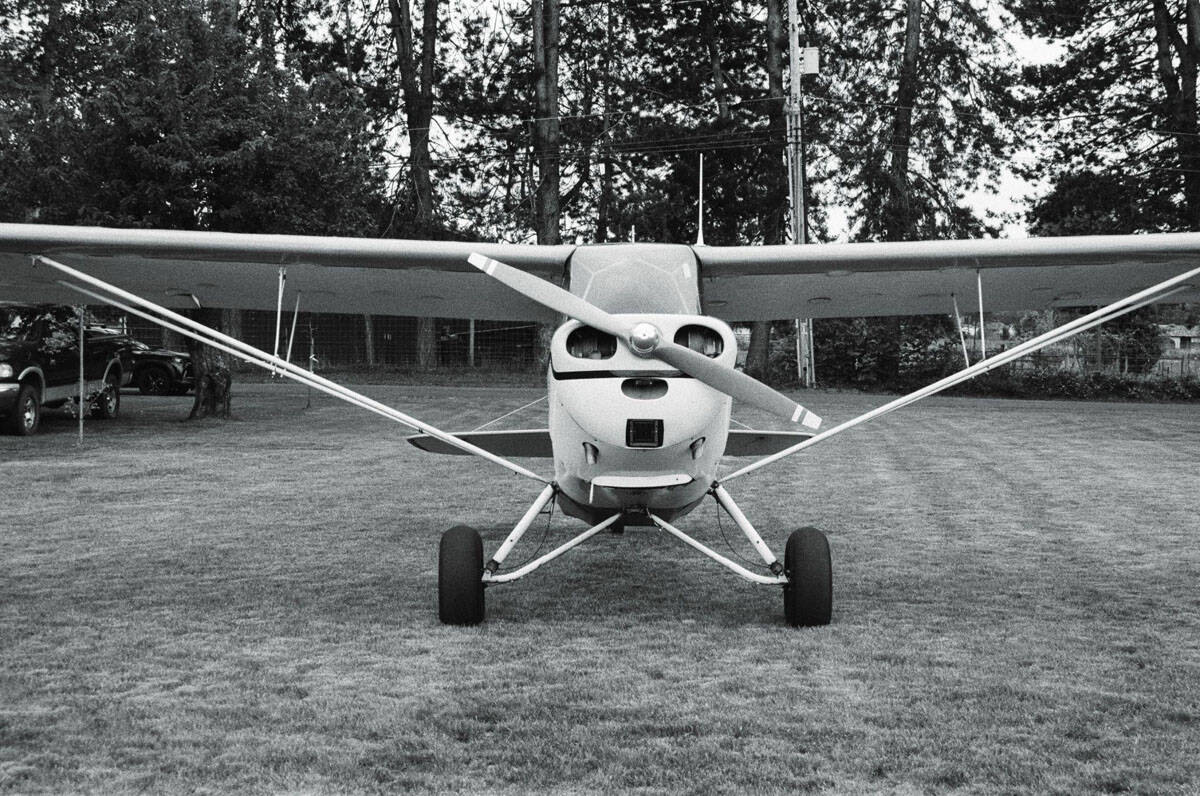
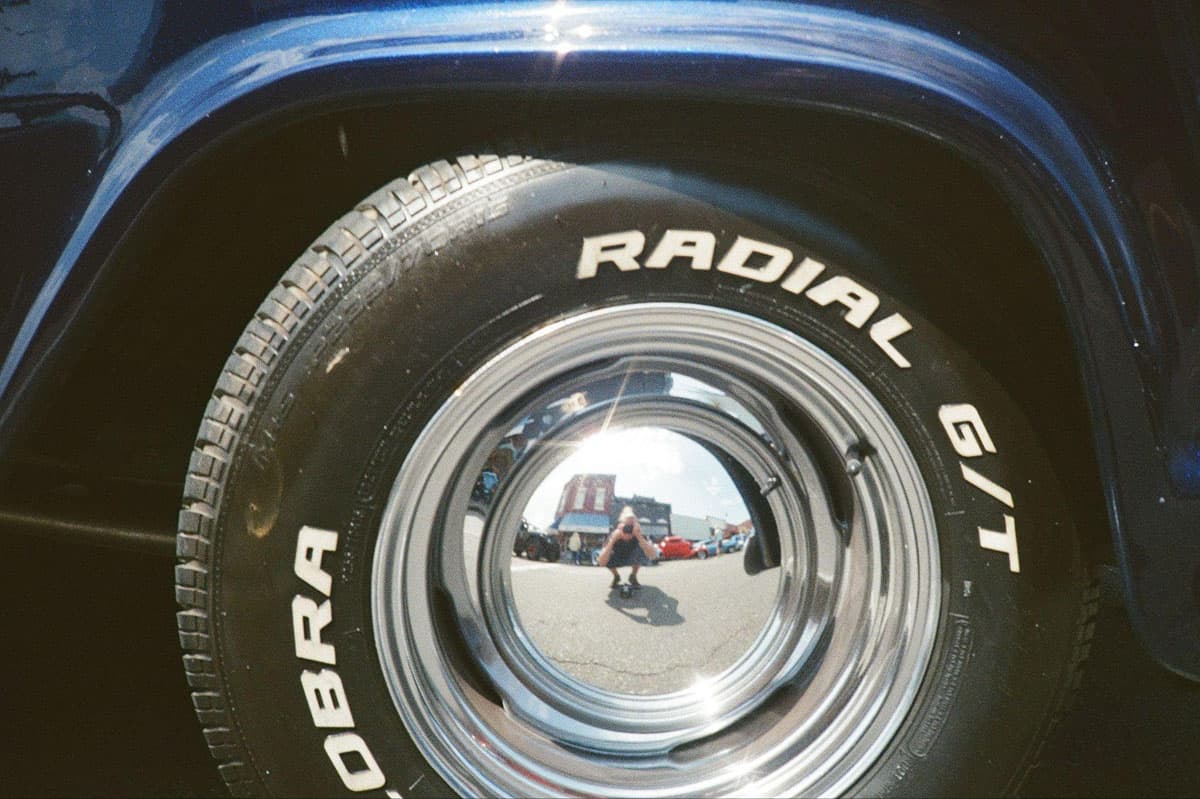
One camera I want to explore further is the Konica C35 MF I picked up at a meet/sale hosted by a local photography group. The camera is the perfect blend of point and shoot simplicity and SLR integration. Basically, it looks like an SLR but offers you basic p&s features.
This camera came out in the early ’80s, and uses Honeywell’s Visitronic system. You can lock focus, which adds just enough control without breaking the point-and-shoot rhythm.
This is a fully automatic camera at heart. Exposure, focus, flash—it’s all handled for you. The programmable shutter only gives you three speeds (1/60, 1/125, 1/250), paired with a CdS meter that works across a wide aperture range. The 38mm f/2.8 Hexanon lens is what makes it worth picking up.
The flash is another quiet highlight. With Konica’s Flashmatic system, it automatically adjusts the aperture based on focus distance.
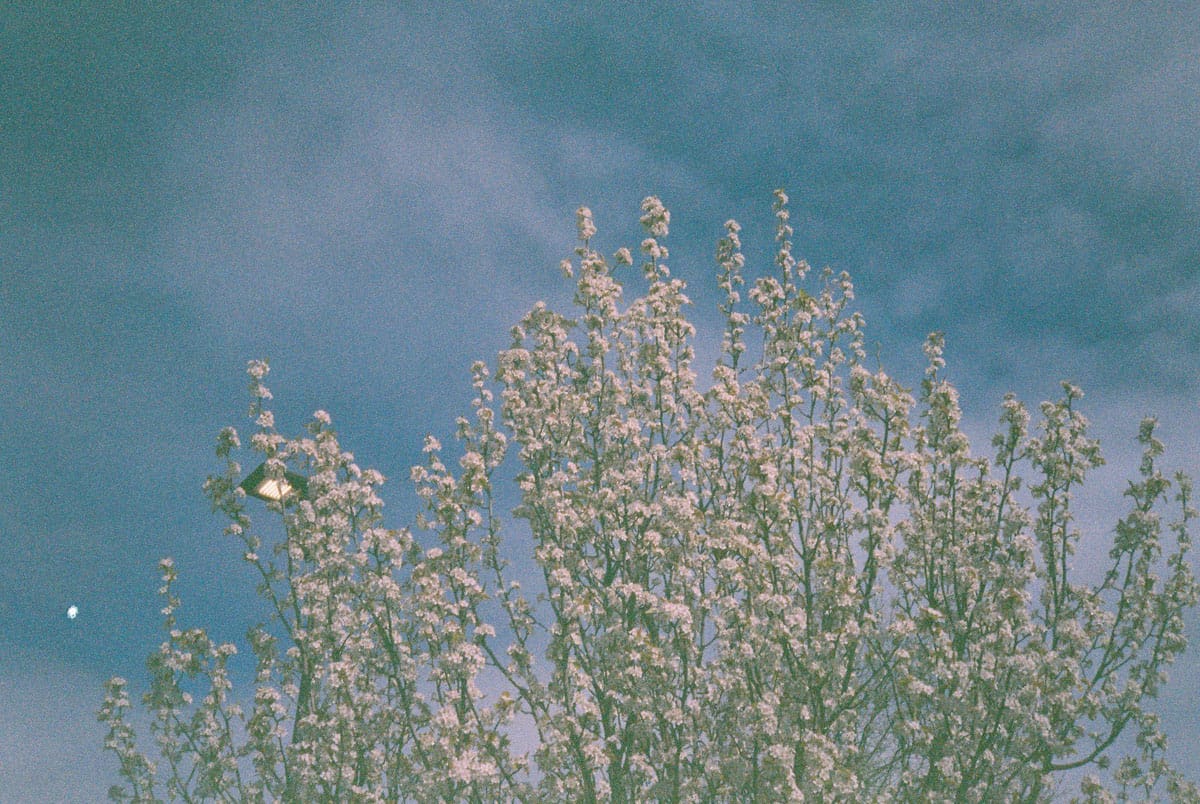
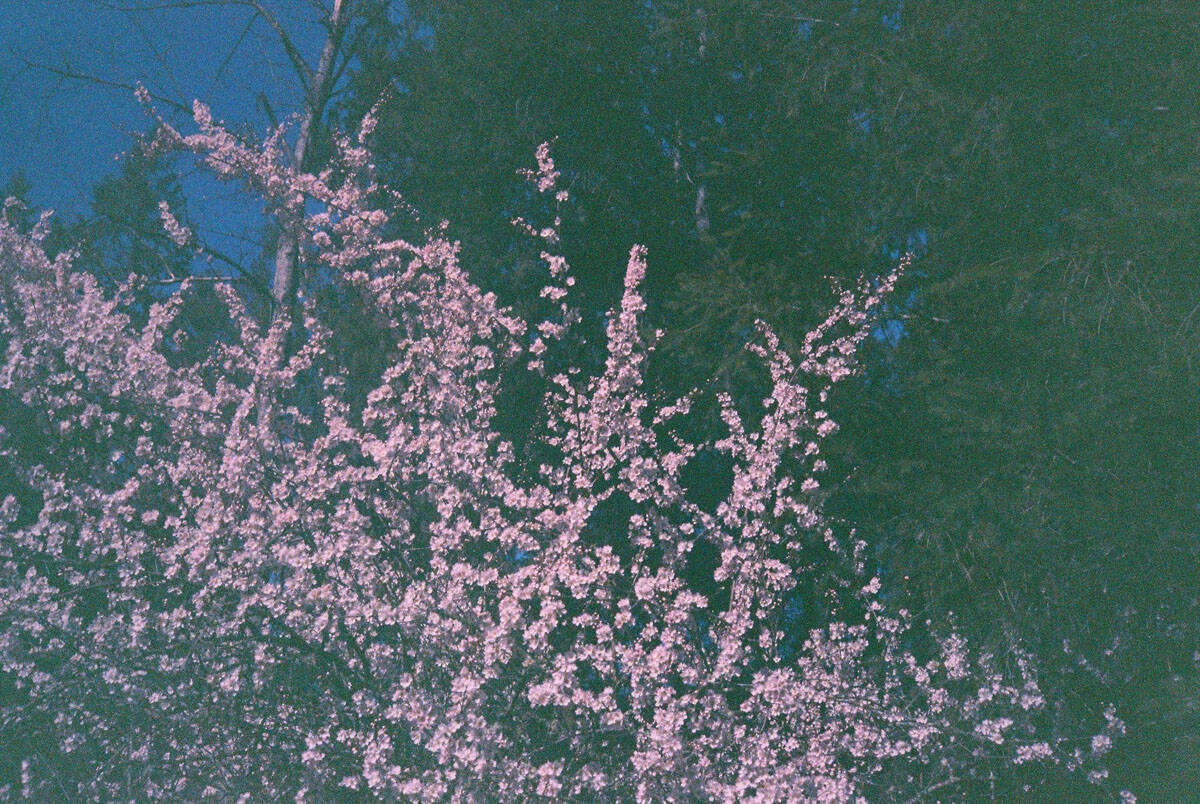
Looking through the viewfinder, everything is simple and clear. It’s bright, with just a couple of indicators: an LED to warn you about underexposure, and a flash-ready light. It’s hefty in your hands but feels solid when shooting. I ended up shooting this camera in March with an expired Kodak 400.
Where I Struggled
I also learned that as much as I loved the idea of shooting 12 different cameras or 12 different film stocks, the reality was different. I struggled during the wet and miserable months in the PNW, inspiration coming up empty.
I fought to finish rolls before the end of the month rolled around. Much to my dismay, at the end of the 12 months I felt burned out by the pressure to finish rather than elated that I finished.
In the years since, I have not attempted to do another 12 Months on Film, rather focusing on cheerleading others with the project and sharing their work versus focusing on my own.
This project still has my heart, and I absolutely love the community we’ve built, but I haven’t been in the headspace to try again. I’ve been focusing on capturing my months on the Kodak H35N with different film stocks and lower stakes.
I’m so grateful for all of the participants that have joined in this love affair of film photography from all around the world. I am delighted with all of the incredible work I witness month after month, the dedication and perseverance of the craft is admirable.
Should You Try 12 Months on Film?
In summary, would I recommend doing a year long film project?
Absolutely. I think that the dedication and perseverance shapes you into a better photographer. You train your “eye” by assessing mundane scenes into works of art.
Okay, maybe not works of art, but I realized I started to see the world around me differently. Whether it was walking the same route or looking at the same town, I noticed different details.
Another bonus, you learn which cameras you actually enjoy using rather than just having them collect dust on the shelf. This way, you can make room for more (i’m kidding!).
You also end up capturing moments that you may have forgotten about, documenting the passage of time. And the community is supportive, offering advice and guidance if anyone gets stuck.
The Downsides
I would be remiss if I didn’t touch on the downsides of doing this project. I want to acknowledge that shooting film is an expensive hobby. Mailing film away for development is even more expensive. If I was confident in my home development skills, I would definitely do that to save some money.
While shooting expired film can sometimes be cheaper, I understand that not everyone enjoys the unknown of shooting expired film. I won’t pretend to have all of the solutions to the expensiveness of this hobby, but I will encourage you to try.
Finals Thoughts
Shooting film and using antique cameras is such a unique experience, and I highly recommend that you give it a try.
With all of that being said, when are you joining 12 Months on Film?
Thank you so much, Katya! Katya is a regular contributor for Shoot It With Film, and you can check out her other articles here, such as 5 Unconventional Ways to Find Your Inner Artist and Canon Sure Shot WP-1 Review: A Weatherproof Film Camera Perfect for Rainy Days.
You can also find more of Katya’s work on her website and Instagram.
Let us know any questions you have about the 12 Months on Film project below in the comments!


Leave a Comment
Shoot It With Film on Instagram


Blog Comments
Eddy
May 29, 2026 at 11:09 am
Nice photos. My favorite are the Horses. Such detail and the way the horse is looking back was cool. I have so many cameras but I am a bargain shopper. So if my local lab has a camera for $5 or $10 bucks on the clearance table and it works I am buying it. I sell the cameras I do not use and keep the ones that I do use or are funky looking.I use my late Dad’s Brownie Bullseye. It gives me interesting photos plus it has a long exposure setting. I use expired and fresh film and cross process all my slide film. I have a fridge of expired and discontinued film. I do not do those challenges. Yes it can motivate you but it also forces you to look for and create art. Creating Art should not feel like a job. It should always be fun.
Katya
June 1, 2026 at 6:50 pm
Hi Eddy! Thanks so much for your comment. I haven’t heard of the Brownie Bullseye, I had to look it up! Looks like an interesting camera! I try not to spend toooo much on my cameras and always love a good bargain myself! I can understand not wanting to do challenges if they feel like a job. Sounds like you’ve figured out what works for you though 🙂 Happy Shooting!
Jochen
June 5, 2026 at 5:29 am
Why were you disappointed using the Minox 35 PL ? I had used several of the Minox series but not the PL. the only problem is that the wire connection to the sensor in the lens breaks after heavy use and the repair is not easy.
Katya
June 8, 2026 at 10:13 pm
Hi Jochen! Unfortunately, only 3 photos came from the roll in the Minox. I haven’t picked up the camera since. I’m not sure what kind of repair it needs or why only 3 photos developed. Maybe I’ll try it again in the future.
Thanks for reading and commenting!
María
June 18, 2026 at 3:28 am
Did you pick the film stock based on the camera? Based on the month of the year? Would it make sense to pick the same film stock to see how it works on each camera? I’m tempted to do this challenge, though for 6 months as I don’t have more cameras than that 🙂
Katya
June 18, 2026 at 5:24 pm
Hi Maria! Using the same film stock on 6 different cameras is absolutely fine! I’ve had other participants do the same thing! It’s not a very strict project, more of an excuse to try different things out, however that works for you! Would love to have you join and feel free to message on IG if you have more questions : )