

Written by Angela Izzo
“You can learn a lot of things from the flowers…”
That line from Alice in Wonderland stayed with me from a young age. I remember watching Alice stumble into a patch of flowers and they suddenly come to life. That’s how flowers have always felt to me: as if they exist in a world of their own, each with a distinct personality waiting to be discovered if you look closely enough.
There’s a fleeting moment when a flower reaches its peak before it begins to fade away. Through photography, I’m able to capture that brief moment of beauty and preserve it, allowing it to stay with me forever.
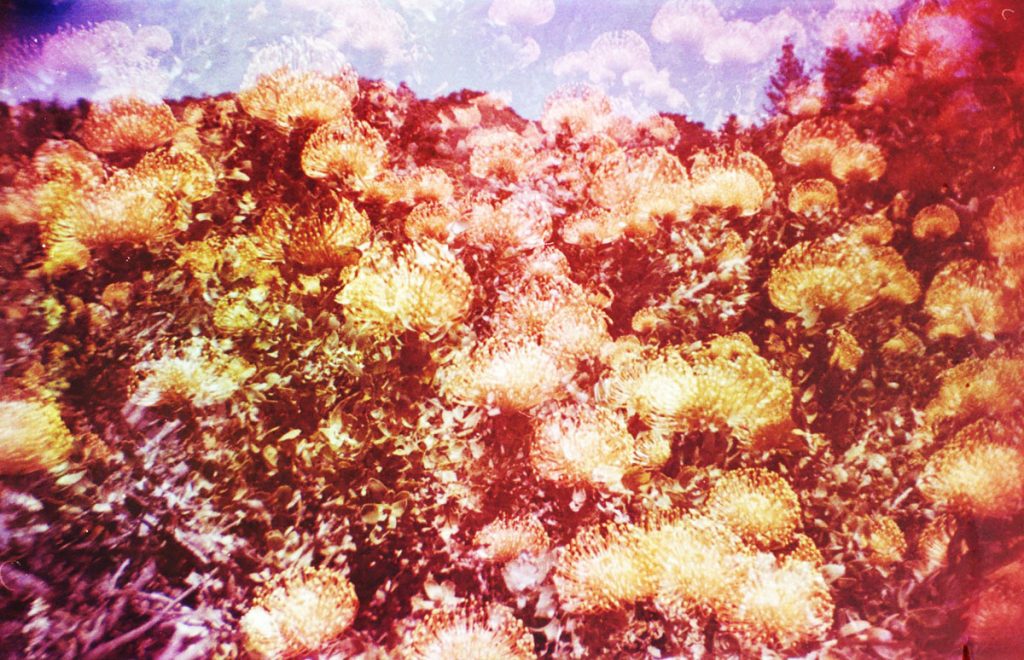
My Favorite Ways to Photograph Flowers
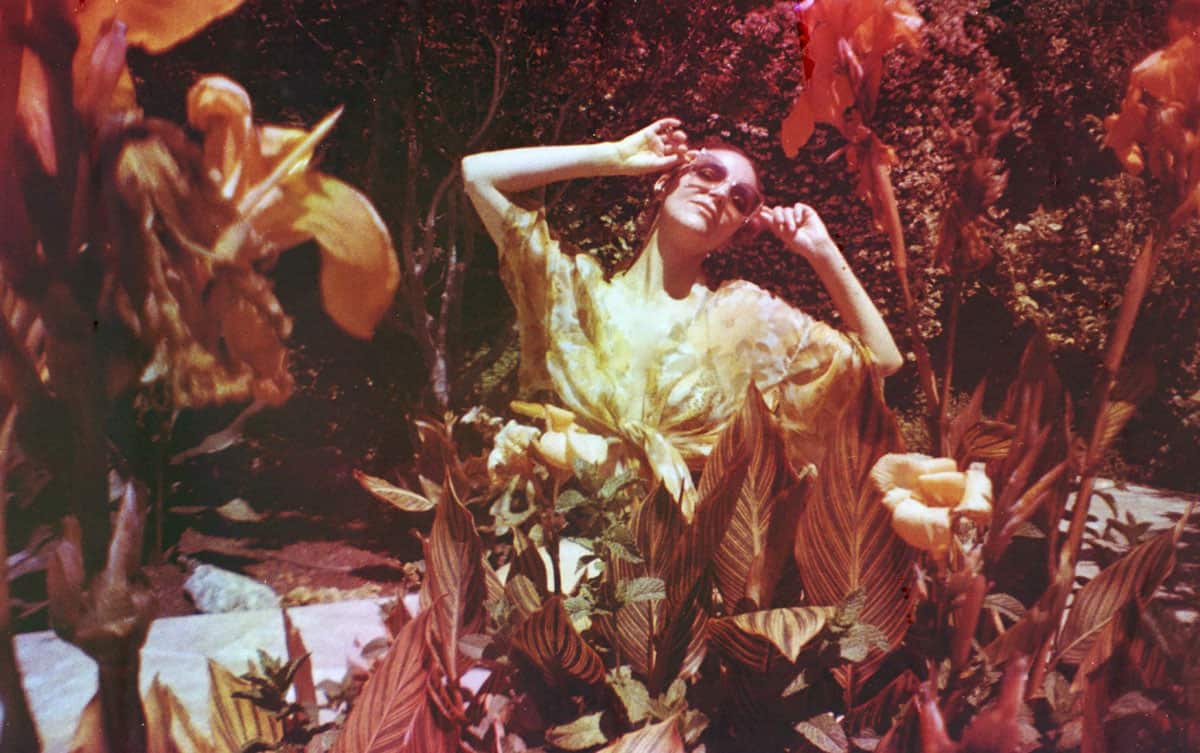
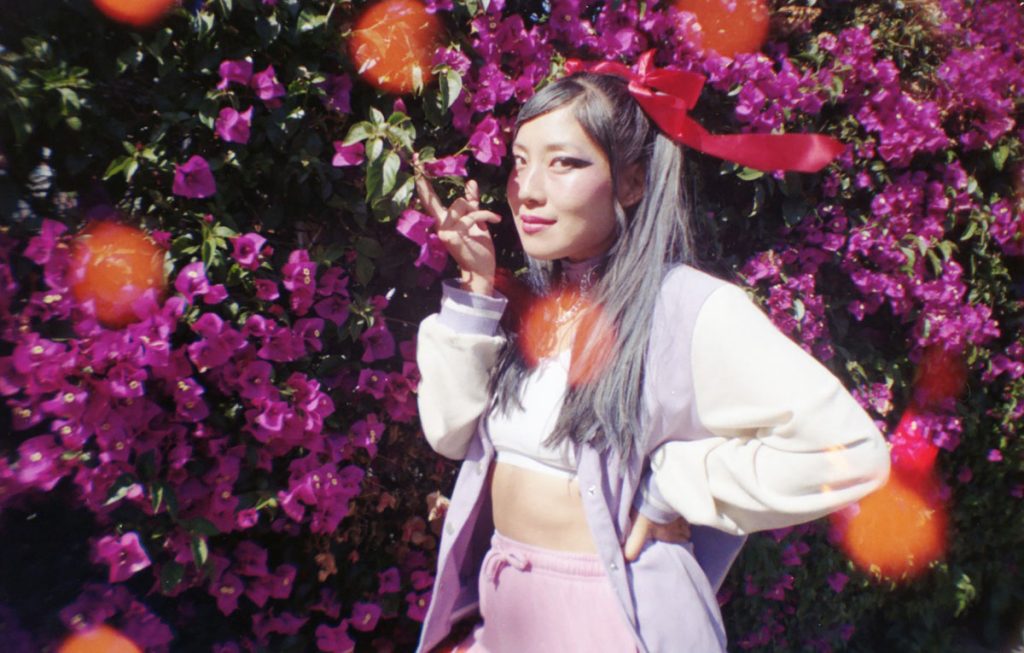
For me, flowers serve as an inspiring backdrop when I create photoshoots. I love the splashes of color and the natural textures they bring to an image—it never gets old to me.
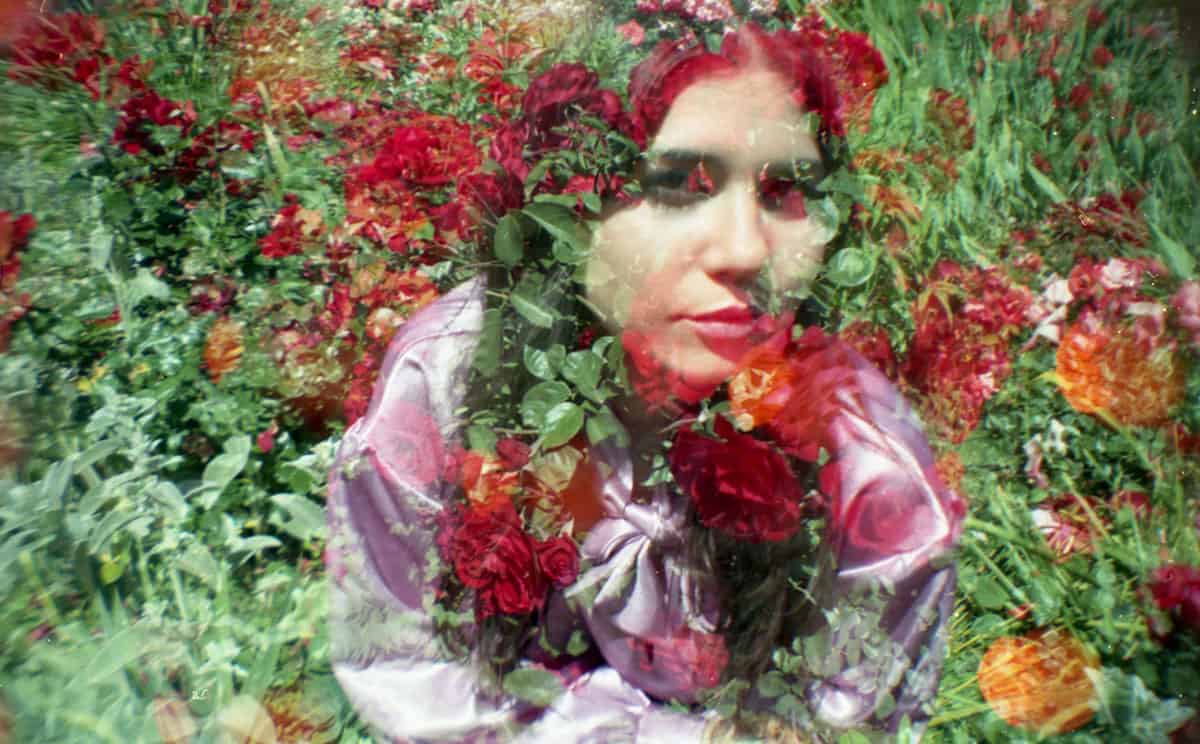
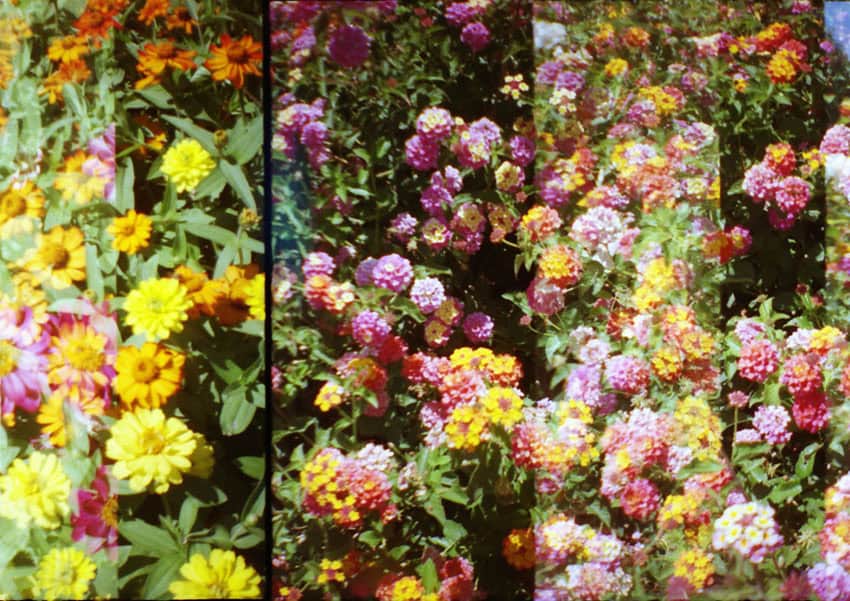
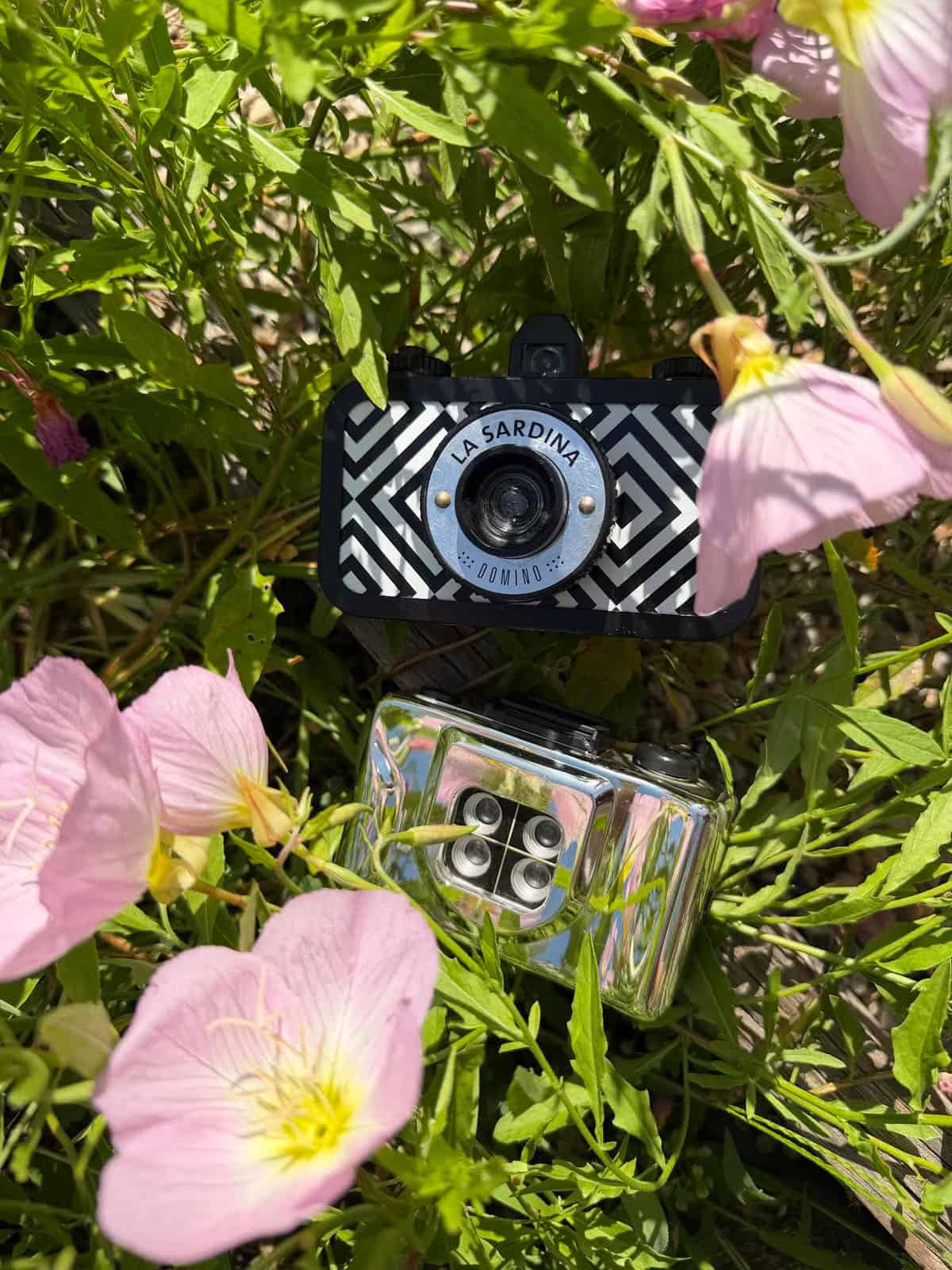
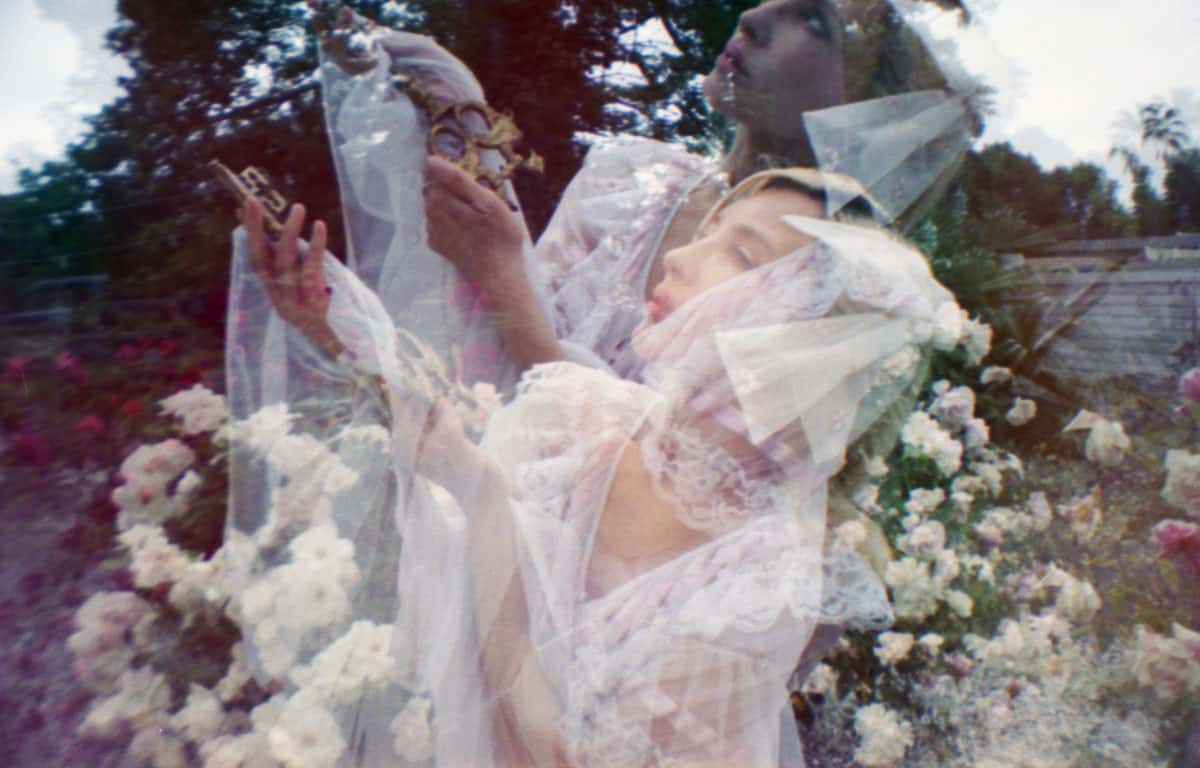
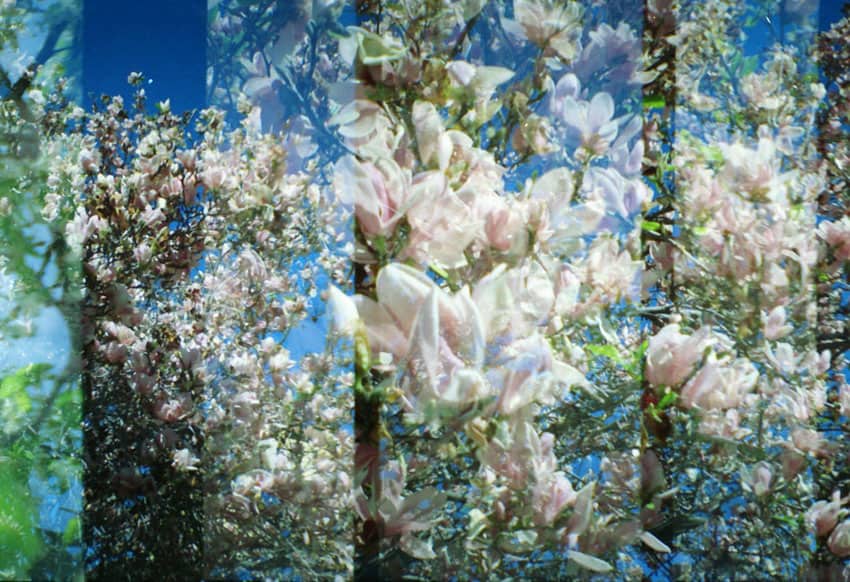
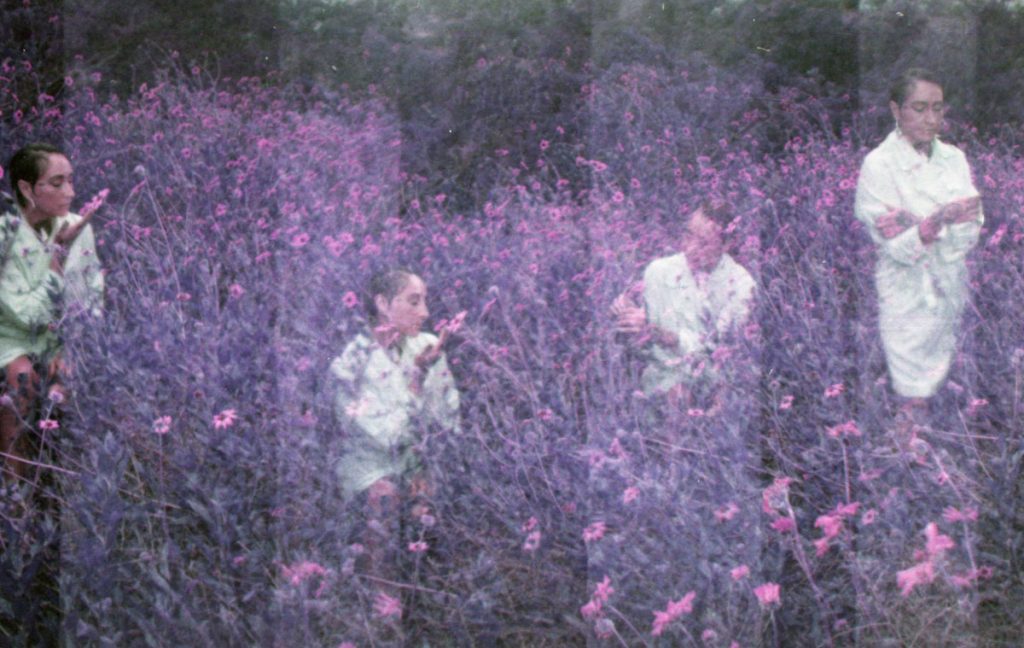
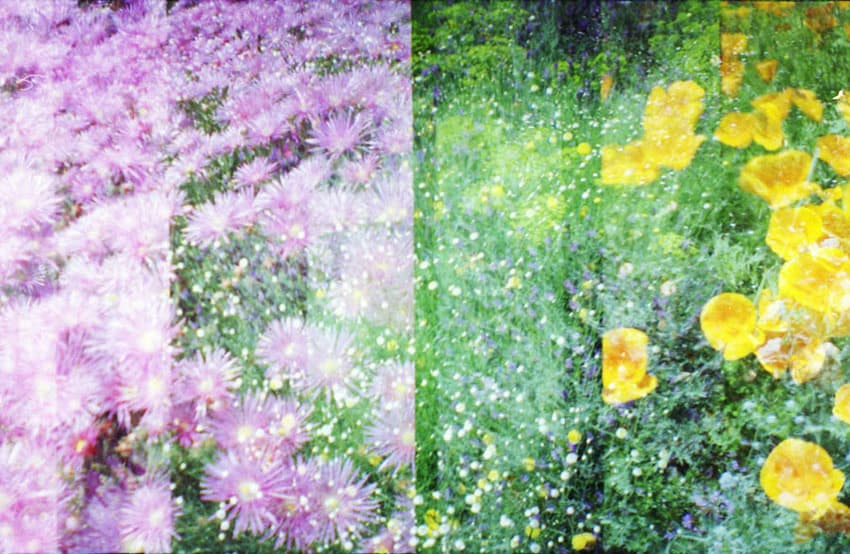
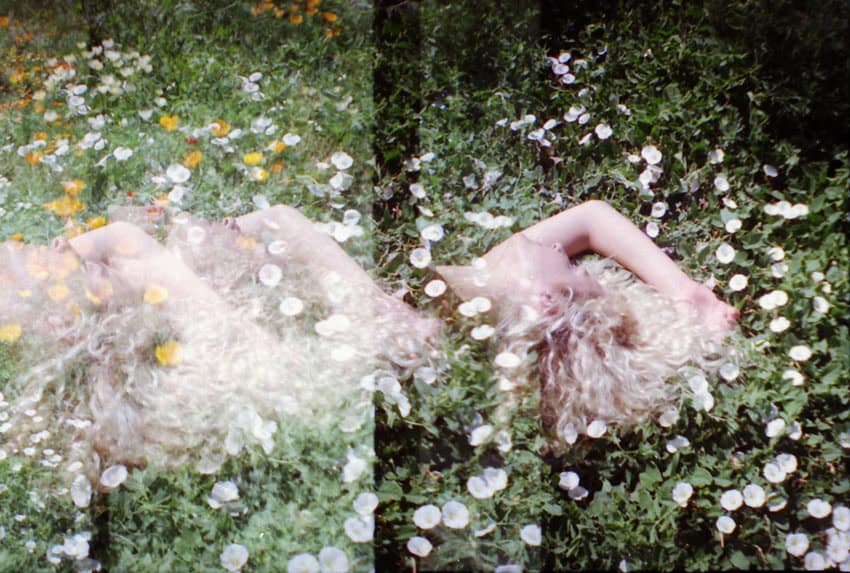
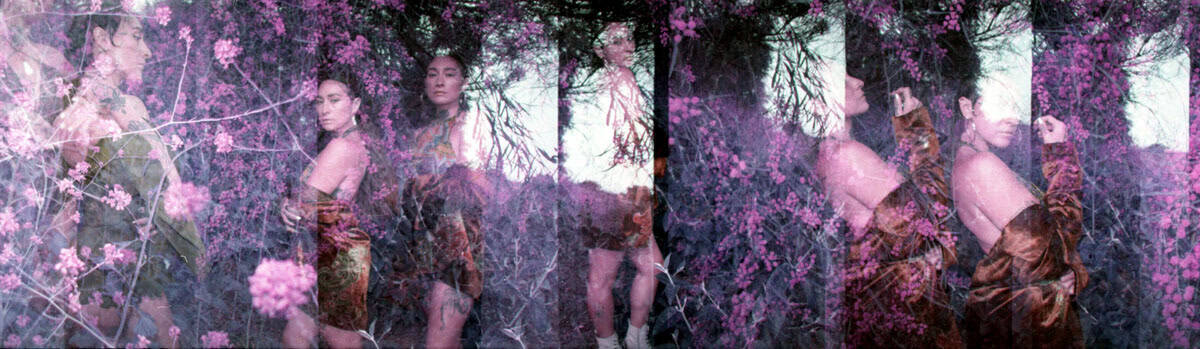
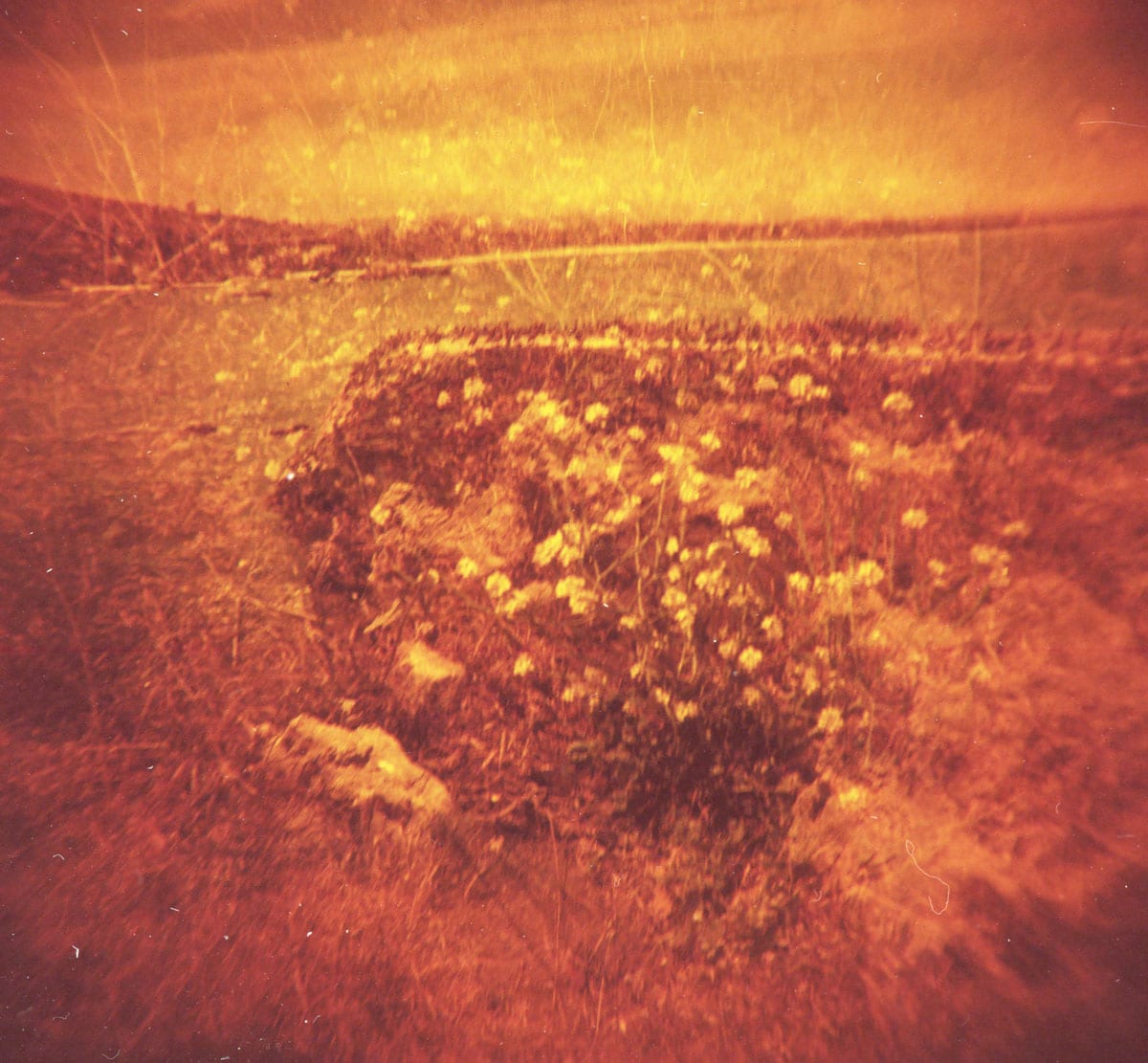
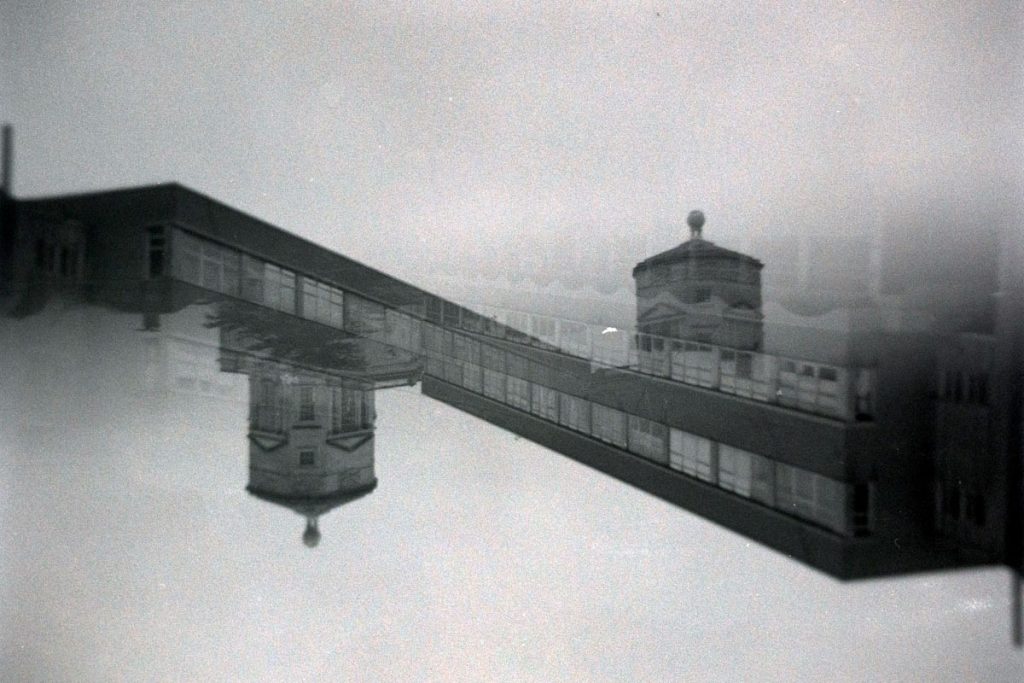
I often place my model among the flowers and layer the images through double exposure using different film stocks like 120, 35mm, 110, or even newer Polaroids with double-exposure capabilities. Even without layering, flowers create a beautiful texture that adds a magical quality to the image.
Through my work, I want the viewer to feel transcended to another time, drawn into a fantasy, or even overwhelmed by the richness of textures and layers that flowers can create.
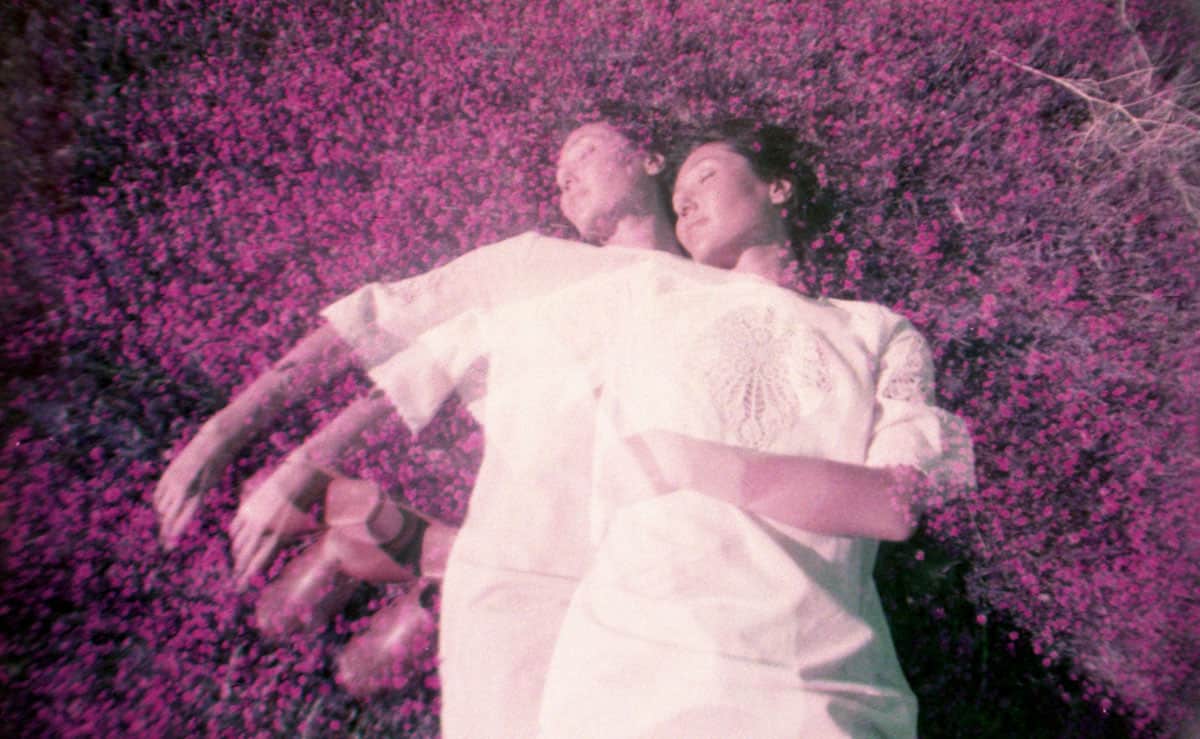
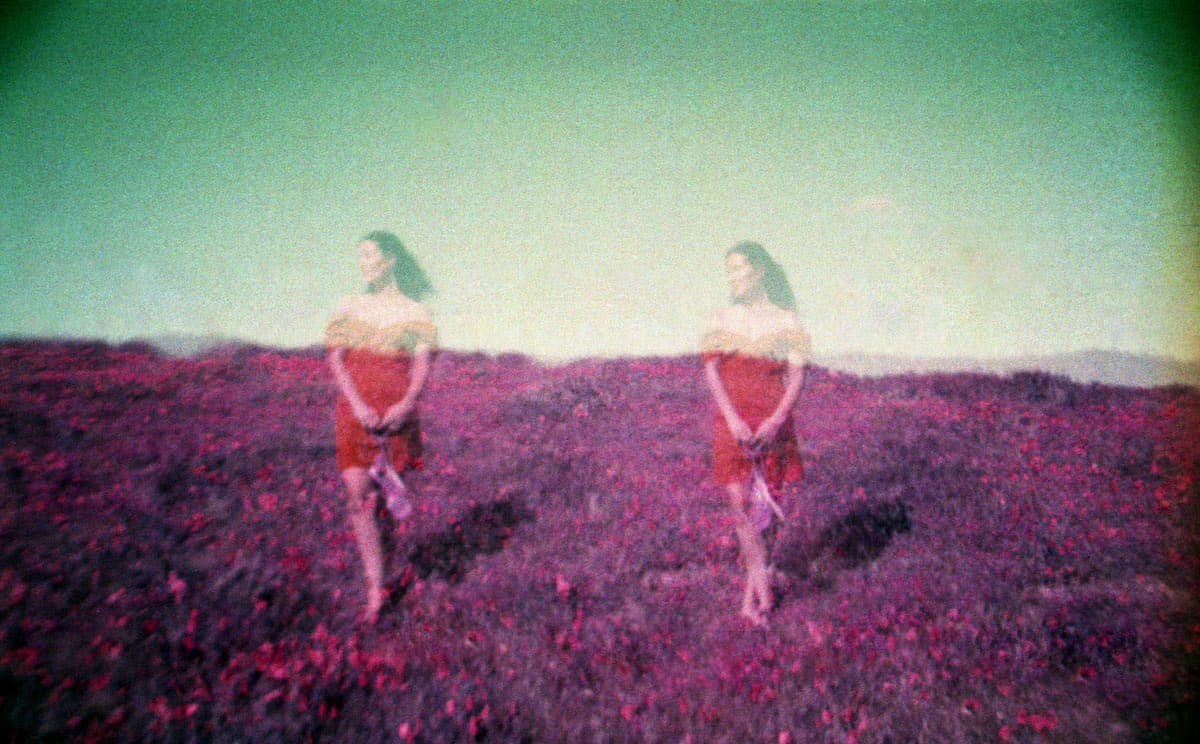
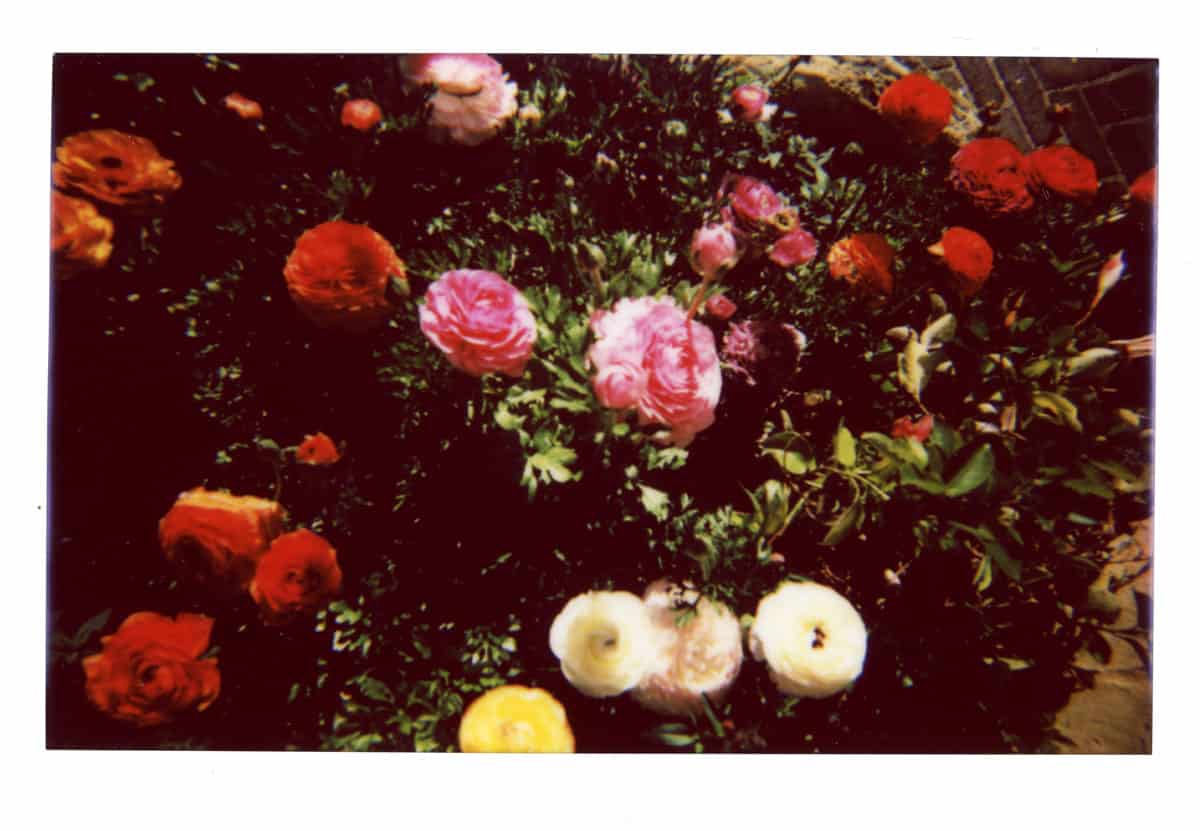
As most of you know, I love mixing and matching different cameras and film stocks, especially when photographing flowers as my muse.
If I want to create something more surreal, I’ll reach for films like Psych Blues or Lomography Lomochrome, which have a way of transporting you into another world through their unexpected tones and colors.
Each camera has its own unique quality, and I use them as part of my ongoing exploration of the many ways a flower can be captured — whether it’s serving as the backdrop, the main subject, or even a prop within the frame.
There’s really no wrong choice when it comes to the camera itself. What I’m most drawn to are the layers, textures, and colors that different combinations bring to an image, and the way they can transform something familiar into something dreamlike and new.
A Few Tips for Better Film Images of Flowers
1. Slow Down and Really Study the Flower
One thing that helped me improve my flower photography was taking the time to really look at the flower before taking the image.
I pay attention to how the light hits the petals, the way it glows, the shape, and even how the wind moves it. Sometimes just waiting a few extra moments can completely change the feeling of the photograph.
2. Mix Different Cameras and Film Stocks
I love experimenting with different cameras and film because each combination creates a different mood. Some film stocks make flowers feel dreamy and surreal, while others bring out softer natural tones.
Playing around with different looks really helped me find my own style and made the process feel more creative and personal.
3. Learn Your Camera Through Trial and Error
A lot of flower photography comes from experimenting and making mistakes. I used to get too close trying to achieve that macro look without understanding my lens, and my images would come out blurry or out of focus.
Over time, learning my camera’s strengths, depth of field, and how to work with distance helped me create images that felt more intentional and true to my vision.
Common Mistakes when Photographing Flowers
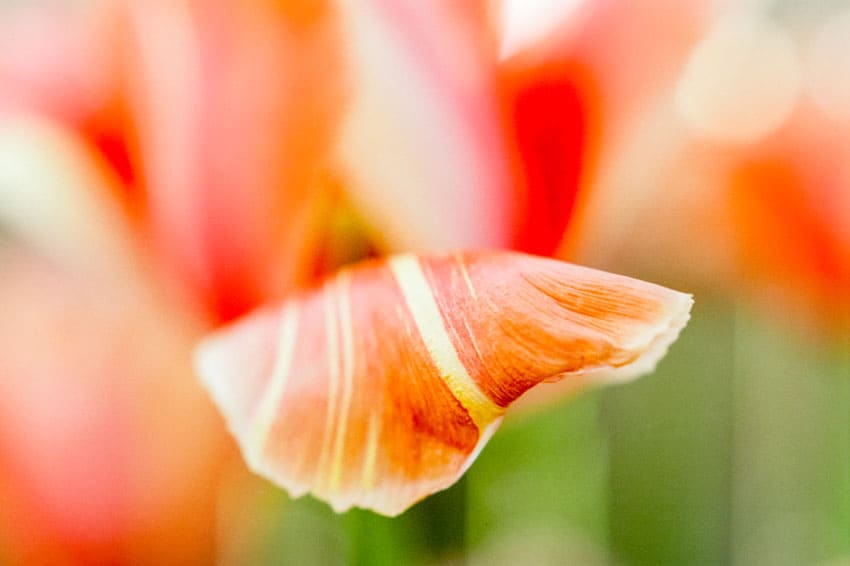
One of the most common mistakes people make when photographing flowers is either using the wrong lens or getting too close to their subject. If you don’t fully understand your camera’s depth of field and focusing range, moving in too close can leave most of the image out of focus.
I think many photographers are drawn to that detailed macro look, but without the right lens or settings, the flower can end up looking more like a blurry blob than a sharp, intentional image.
That’s also part of the beauty of photography — trial and error. Learning your equipment is essential to achieving the results you’re looking for.
Another important thing to pay attention to is light. Too much sunlight combined with a high ISO can easily blow out your image and wash away the delicate details of the flower.
You have to slow down, study the light, pay attention to the wind, and consider your distance from the subject. When all of those elements come together, they help create a successful image.
Final Thoughts
The next time you’re out on a walk or driving through town, take a moment to notice which flowers are blooming and how they change with the seasons. Pay attention to the trees and plants around you, how long their blossoms last, and the quiet beauty they bring to everyday spaces.
If you happen to have a camera with you, slow down and really study them — the way the light moves through their petals, the shape of their form, and the small details that often go unnoticed. Sometimes the simplest subjects can become the most inspiring when you take the time to really see them.
Flowers have a way of reminding us to appreciate fleeting moments and the beauty that exists all around us. Maybe that inspiration will lead you to create an image that feels meaningful and uniquely your own. Most of all, remember to slow down and stop to smell the roses.
Featured Models: Aylya Mai, Pearl Charles, Andrea Whitt, Annika Maya, Polartropica, and Tihane
Thank you so much, Angela! Angela is a regular contributor here at Shoot It With Film, and be sure to check out her other articles here, such as How to Shoot More Creative Landscapes on Film and Why I love the Holga 120: Embracing Experimentation, Chaos, & Creativity.
You can also check out more of her work her website, Instagram, and YouTube.
Leave your questions about photographing flowers on film below in the comments!


Leave a Comment
Shoot It With Film on Instagram


Blog Comments
David
July 10, 2026 at 9:53 pm
You mention shooting with 110 film.
Where do you get it? I haven’t seen it for sale anywhere.