

Written by Tyler Mattas
This is going to essentially be an unintended part two of my previous article – so if you didn’t read it or don’t remember it, maybe start this article by reading that one.
On said article, a certain Adam S. posted a comment that resonated with me and inspired this addendum. Adam noted that much of what I was describing as contributing to a good camera boiled down to engagement with a well-crafted piece of engineering – something that transcends cameras. I couldn’t agree more, and it’s an idea I’d like to explore further here.

More Than the Final Image
As I sit here writing this, like a dozen rolls of film are also sitting nearby on my kitchen table, still undeveloped after being shot on vacation a month and half ago. I’ll get them developed eventually, but in the meantime it doesn’t bother me all that much that I still don’t have my photos. In fact, I’ll probably end up shooting even more rolls to add to the pile before I finally mix up chemicals.
What I’ve realized while thinking through this “good camera” stuff is that what really drives me to shoot film is what Adam pointed out far more succinctly than I did in my prior article.
I actually primarily enjoy using the cameras that I shoot with – even more so than I actually enjoy seeing the resulting images.
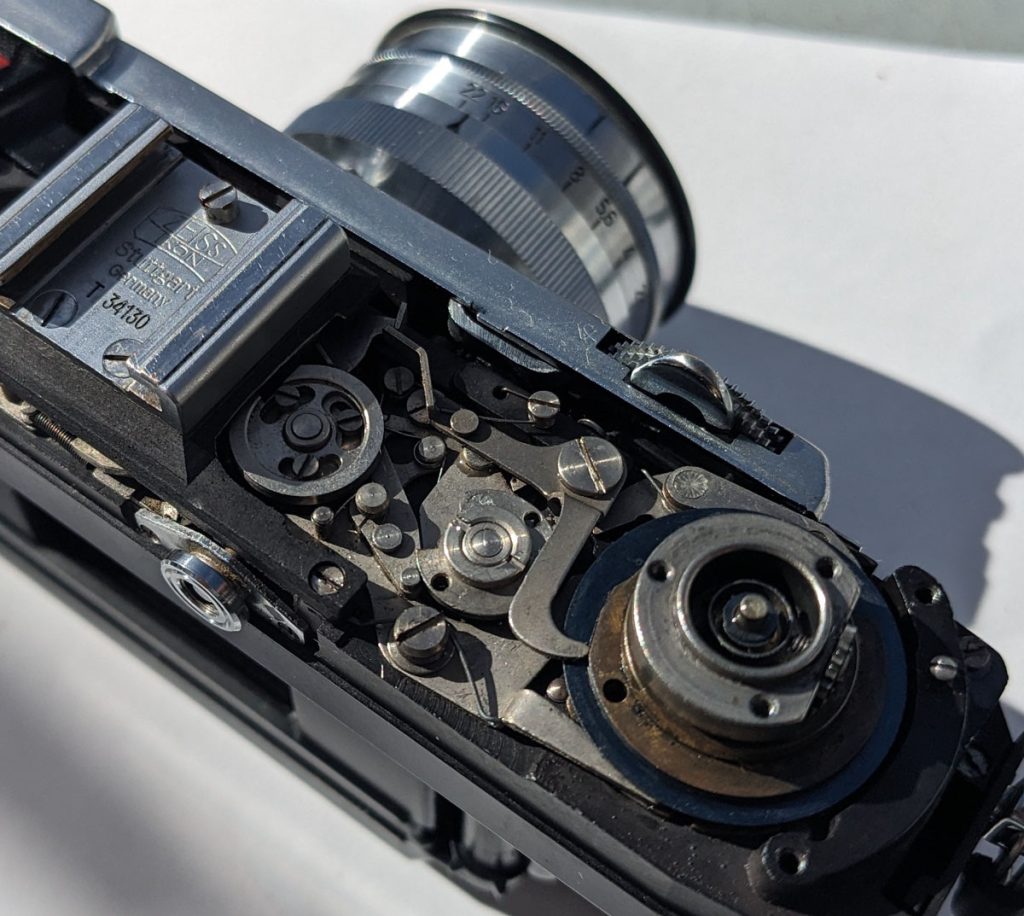
Yes, I know plenty of people do film photography for the film photos (shocking, truly). I’m not knocking anyone’s reason for shooting film, especially since shooting photos for the photo’s sake is probably the most logical and obvious reason. For me though, the act of using and engaging with the tool actually turns out to be of primary importance.
I know I’ll probably be crucified for this assertion, including by fellow Shoot It With Film writers (Katya, looking at you), but this is exactly why I’ve never found cameras like the Holga, Ektar H35, all late ‘90s and on Tupperware SLRs, hell even the new plastic fantastic Rollei 35AF, appealing.
Maybe it’s even part of why I don’t like shooting with Sony digital. It has nothing to do with image quality or usability. It’s not gear snobbery. The cameras are just too appliance like, too utilitarian, too ugly – putting it shortly, too… modern.
As I lamented in the prior article, everything we interact with these days looks, feels, and often performs like it was designed and manufactured with a bare minimum “that’ll do” mindset. Everything keeps getting more expensive while simultaneously getting worse. Never mind transcending just cameras, this seems to transcend products generally and has bled into architecture, art, entertainment, etc., but alas that’s a whole other article.


The Lost Art of Craftsmanship
There was a time not long ago when skilled people took great pride in their work. Businesses took pride in their products. Product longevity, fit and finish, innovation, and even beauty were top priorities – and it showed in the tools produced.
Tools that myself and certainly others, (judging by Adam’s comment) seek out and enjoy engaging with to have a user experience that simply doesn’t exist (or is increasingly hard to find) in modern versions.
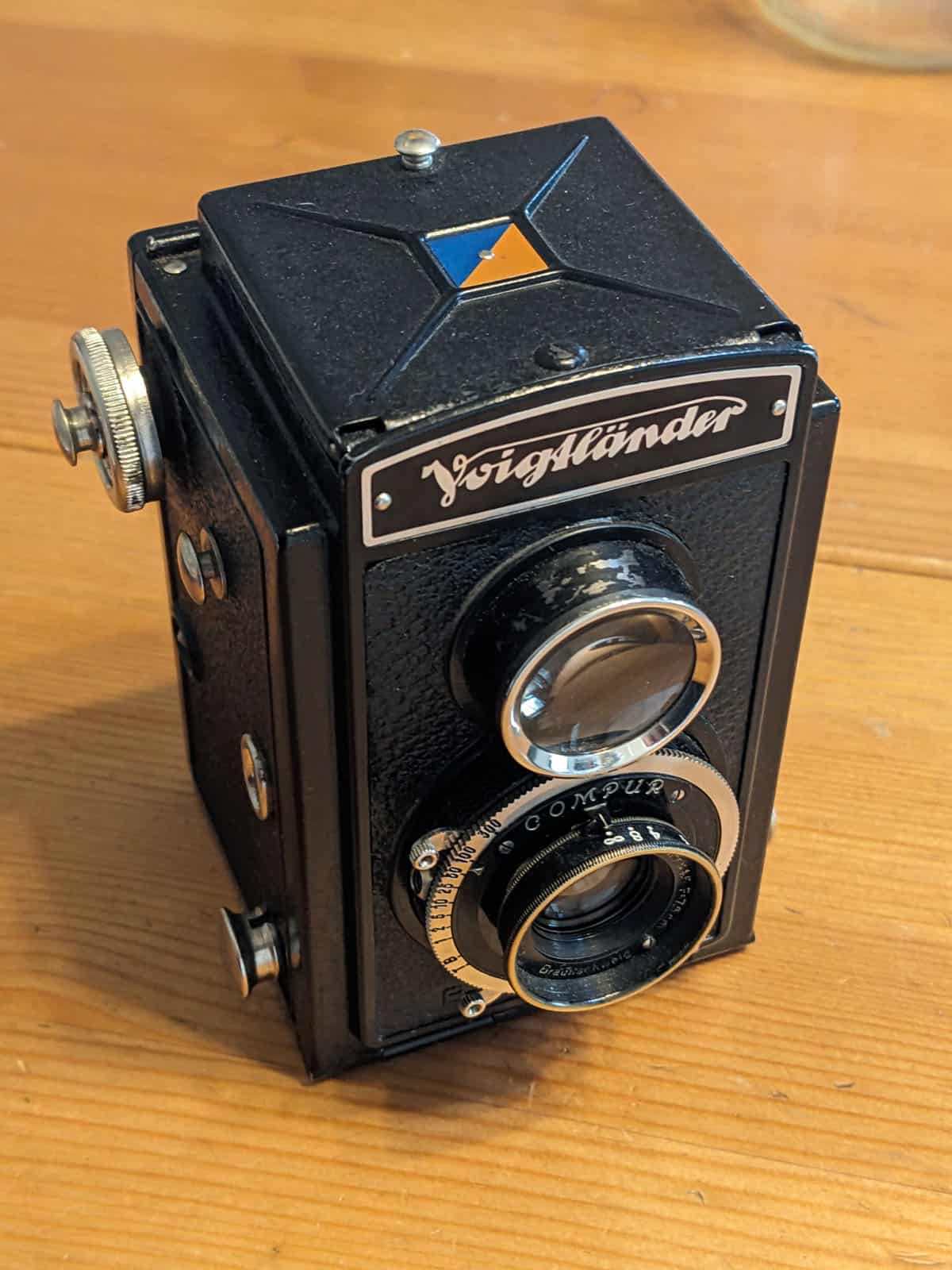
You’ll never see something like a Contax IIA created again. Pentax showed us not that long ago that people hoping even for a new production K1000 were engaging in wildly wishful thinking (delusional thinking might be more bluntly accurate).
Even Leica who still has the price capacity to do interesting things, just keeps trending more and more in this Apple-like direction of $8,000 minimalist black boxes that look like a 3 year old’s conception of a camera.

With few exceptions (those exceptions being obvious, just look at who has the mile long waiting lists, over MSRP scalpers, never in stock, etc.), cameras over the past several decades have gone the same way as all the other products: uglier, crappier build quality, more uniform and uninteresting, etc. And maybe that’s really the appeal of vintage products generally. They tend to be… not those things.
Manufacturers actually recognize this, too, because there’s been a trend across industries to make vintage looking products.
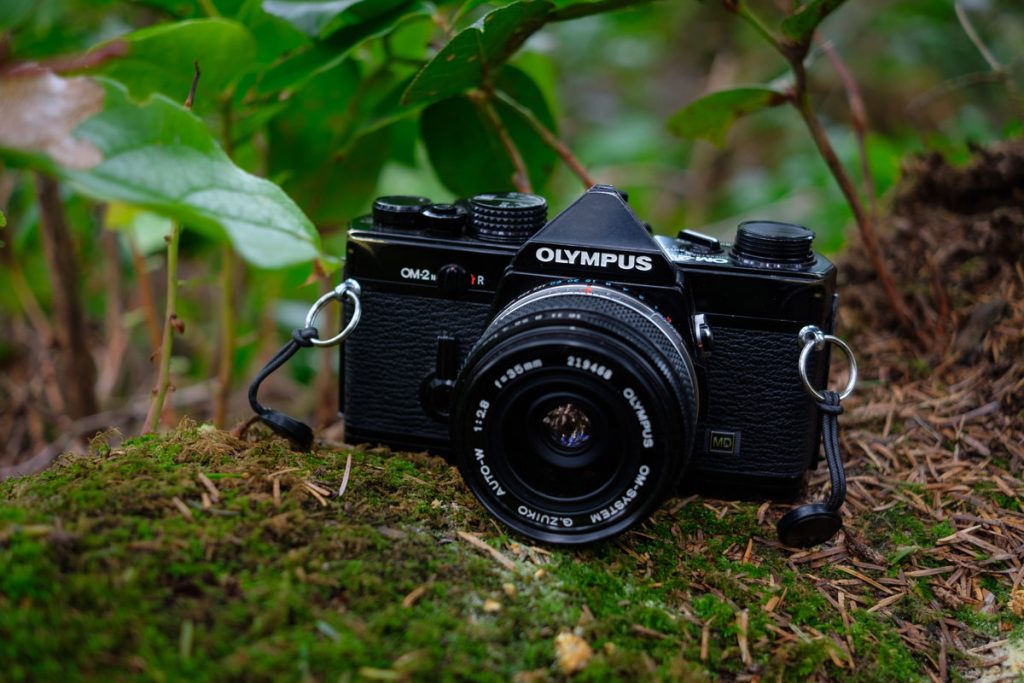
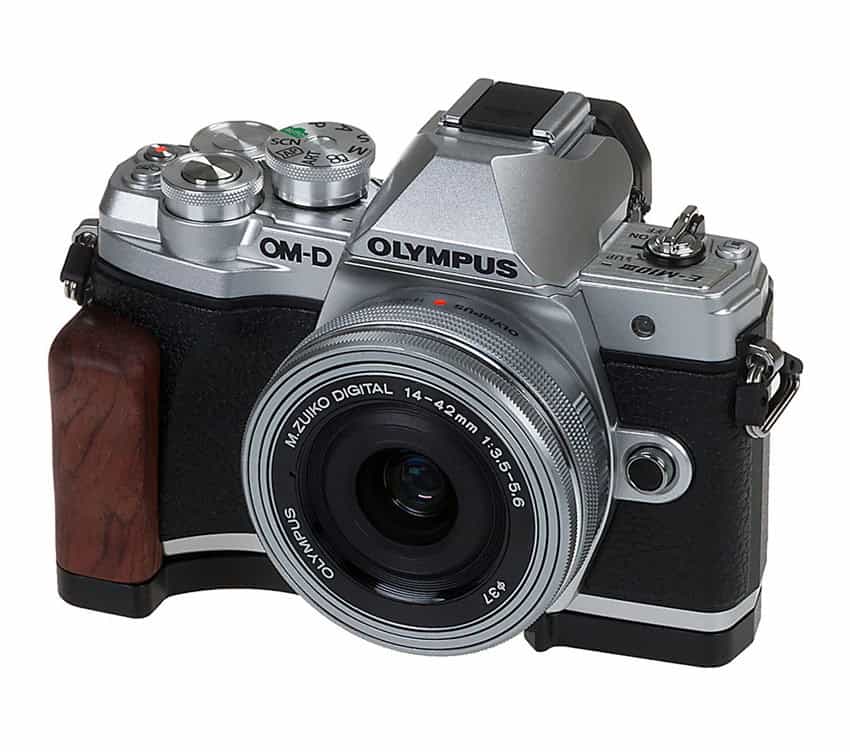
This actually works when the products also live up to the vintage build quality (Olympus enters the chat) or when the consumer base doesn’t care about the build quality (Dodge enters and quickly exits the chat).
It fails miserably when the manufacturer doesn’t understand that the looks are only part of the magic and cannot single handedly carry a cheap feeling, plastic-y ambassador of the cost cutting department (Nikon sadly avoids the chat)… unless you’re Dodge.
The Vintage Appeal
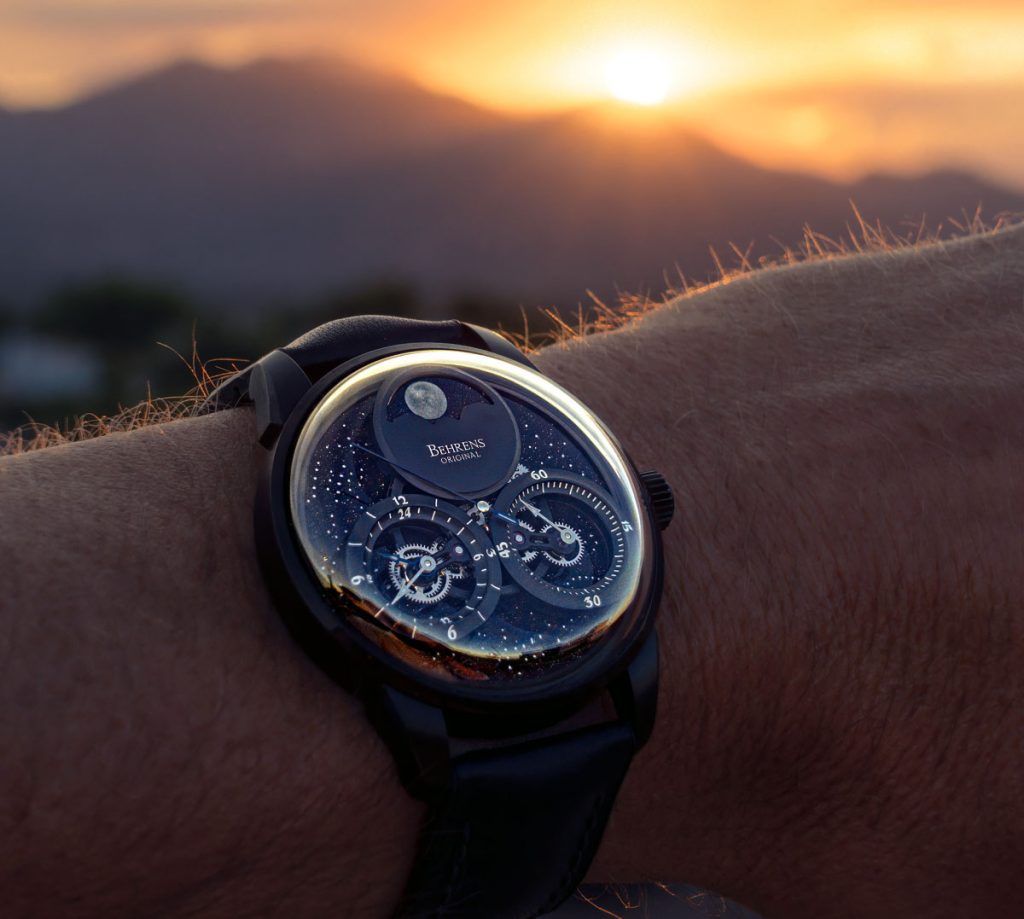
Not coincidentally, people into film cameras tend to be into other vintage products as well. I found a lot of the same appeal and enjoyment in mechanical watches that I’ve found in vintage film cameras, and for all the same reasons.
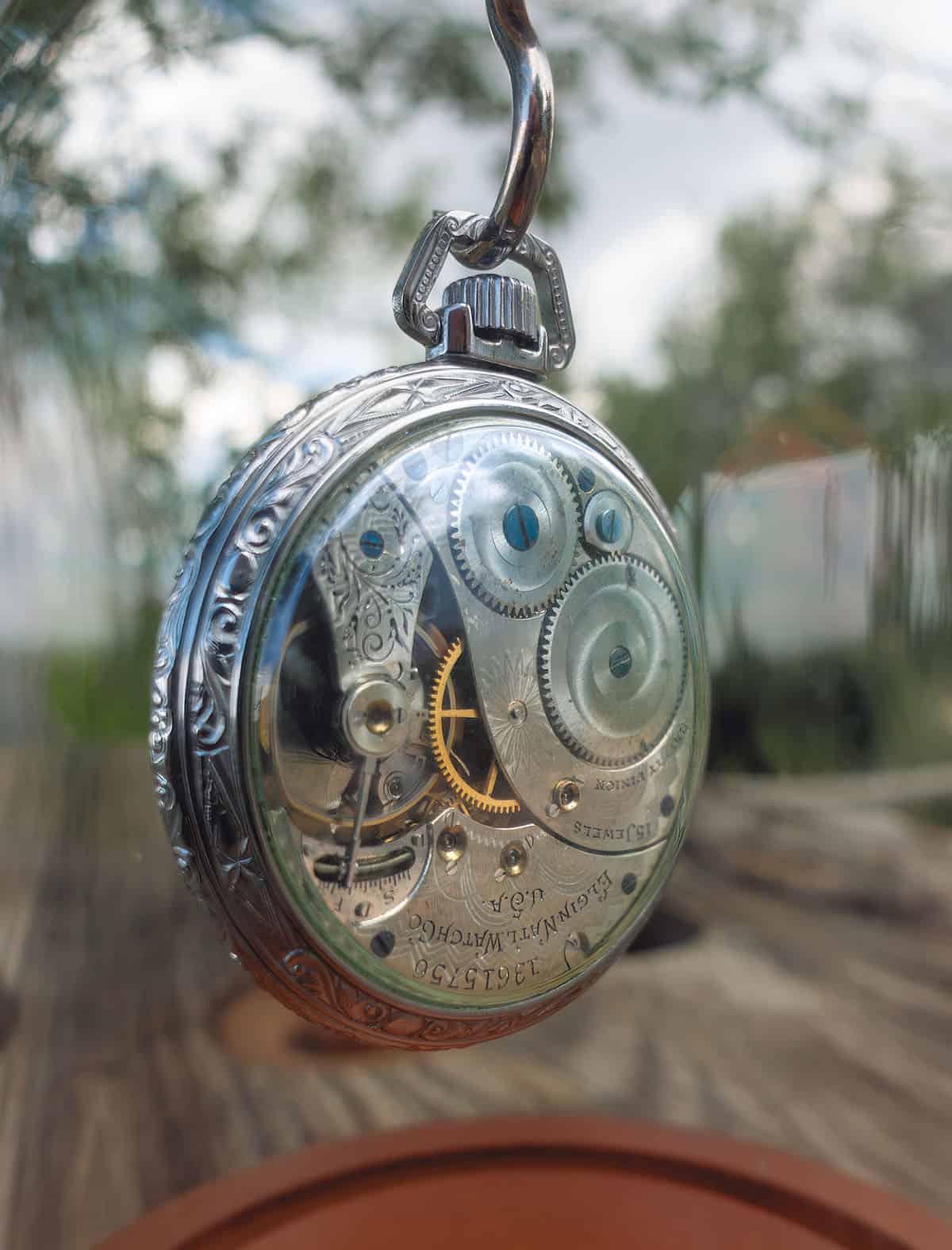
It still blows my mind that I’ve simply disassembled, cleaned, and lubed century old watches… and I have a working watch that keeps good time. Try that with your A7IV in the year 2120.
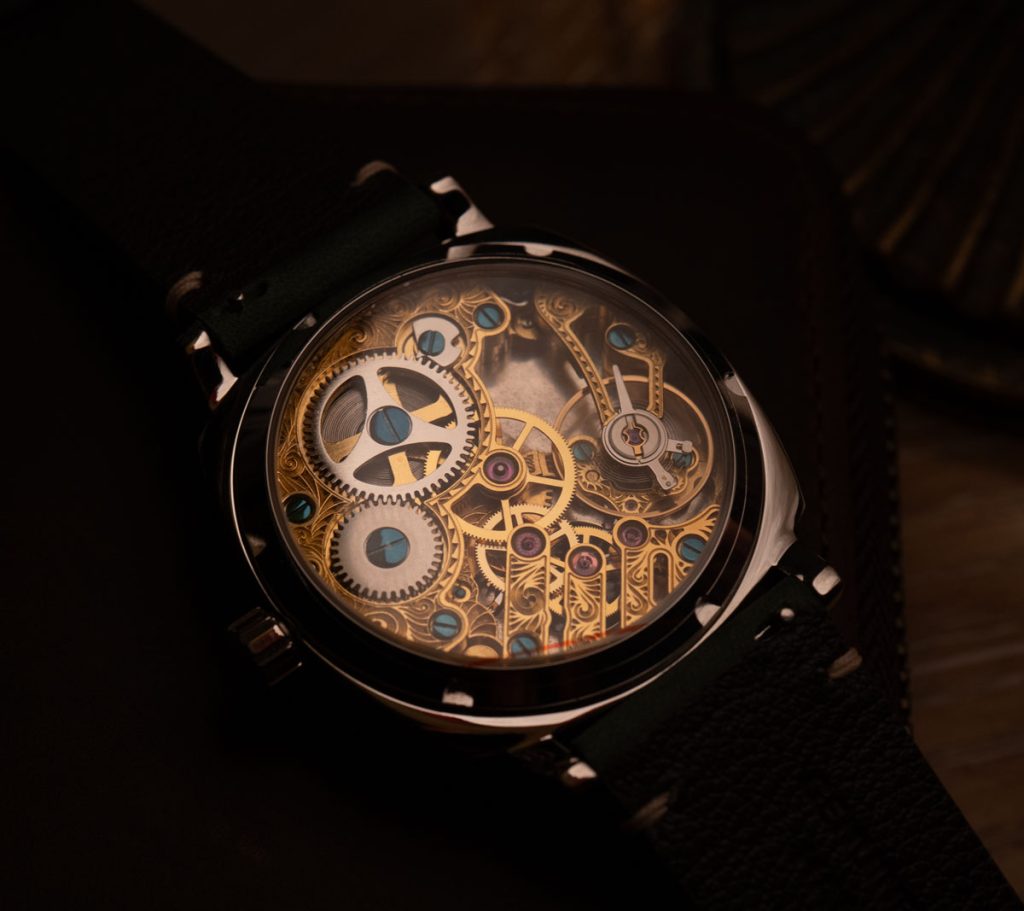
It amazes me that in 1890 someone didn’t just do the already extremely intricate work of building a watch, by hand, but then also took the time to elaborately hand decorate parts of the movement that would then be covered with a case and never seen again until the watch was serviced a decade or more later.
Today that would be called a waste of time and fall victim to the first round of cost cuts. Does it tell time? Good enough. Ship it.
Make a camera with all brass internals? Madness. Some injection molded plastic will do just fine for the 90 day warranty period. Serviceability? We just need it to last those 90 days so we don’t have to give them another one; when it breaks on day 91 they can throw it out and buy a new one.
Elaborate decorative ironwork on a street light? You must be crazy. Someone just go install a raw metal pole with a bulb on it, puts out the same light.
I find this mentality and everything it produces, and I mean everything, annoying and disheartening. Actively getting away from it by seeking out interactions with products and tools (mostly vintage) not made with this mentality helps me maintain my sanity.
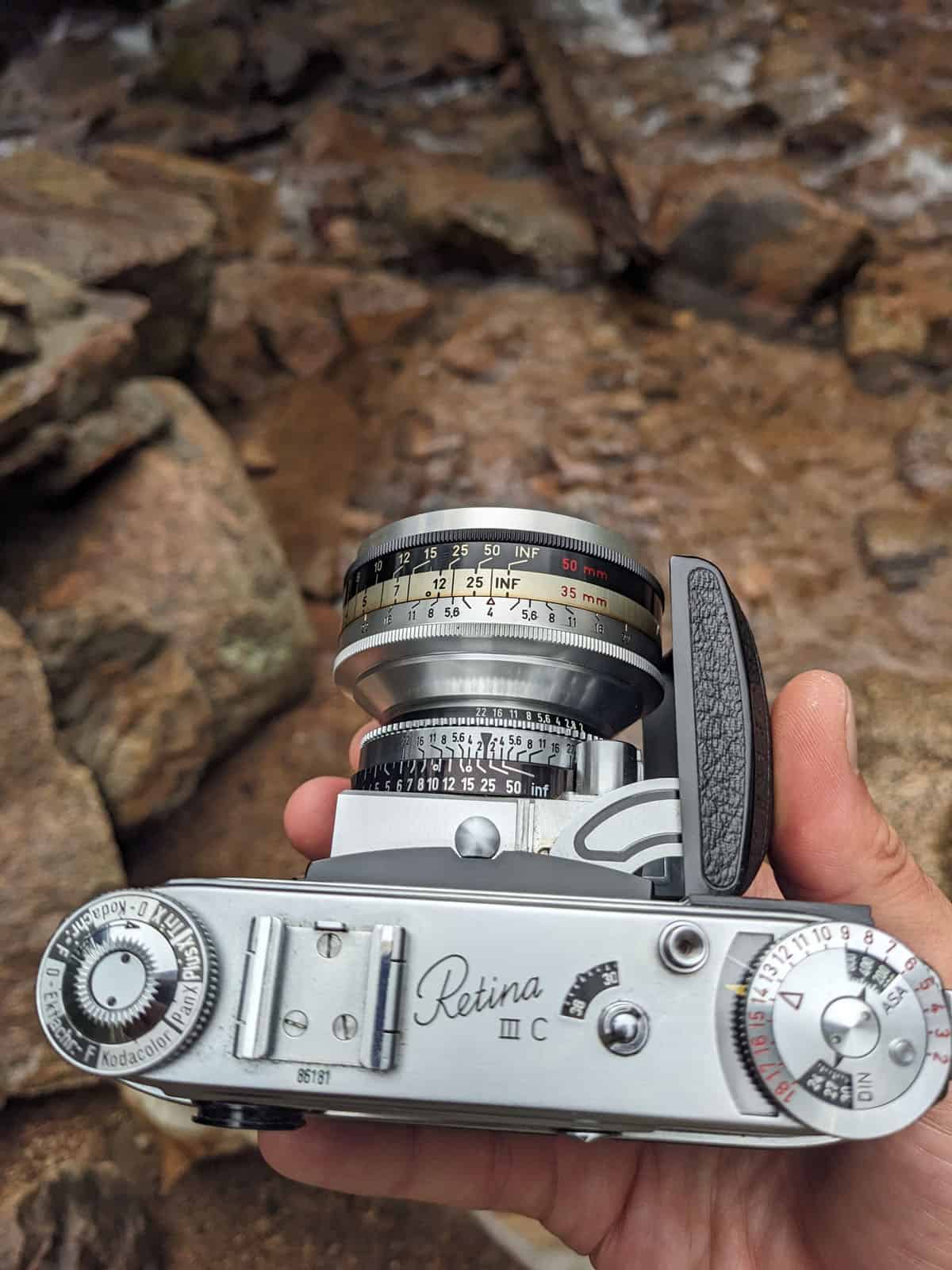
Final Thoughts
So alas, whether it’s film cameras, vinyl records, vintage clothes, classic cars, mechanical watches, or whatever old stuff anyone might be into – I think a lot of us are here for the same reason.
We’re all reaching back to an age when the products we interacted with didn’t just get the job done or get it done in the most utilitarian way possible.
They made us admire their craftsmanship, they made us want to look at them because they were beautiful, they made us… want to use them. That’s what makes a good camera – or good anything else.
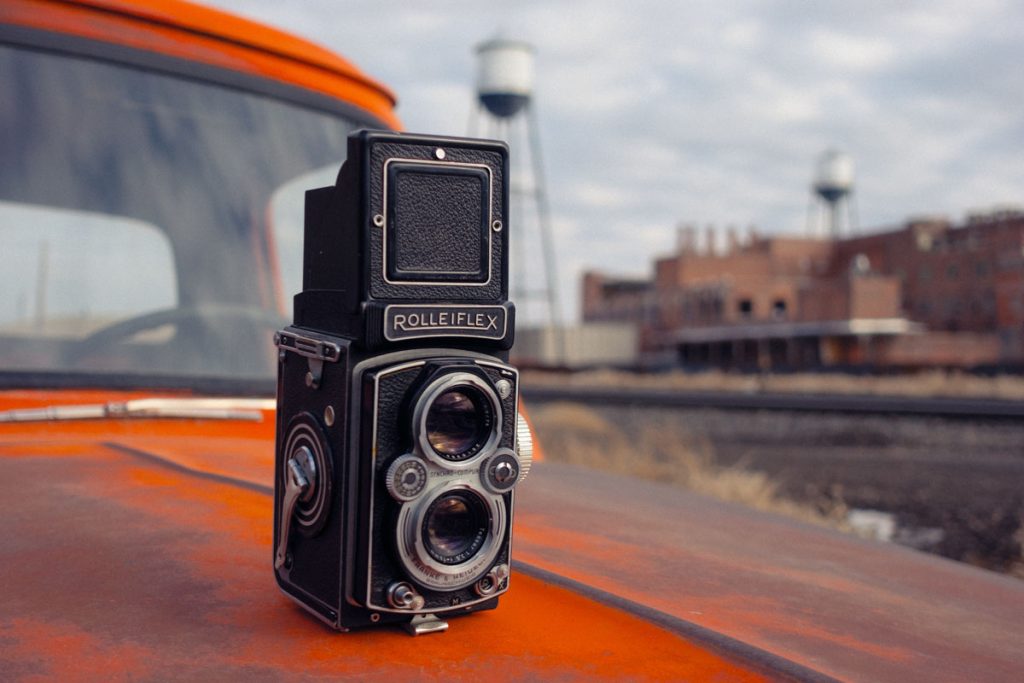
Thank you so much, Tyler! Tyler is a regular contributor here at Shoot It With Film, and be sure to check out his other articles, like What Makes a Good Film Camera? It’s Not as Simple as It Seems and Repairing Your Own Film Camera: Lessons I’ve Learned.
You can also find more of his work on Instagram here, and find his eBay store here.
Leave your thoughts about craftsmanship and what makes a good film camera below in the comments!

Leave a Comment
Shoot It With Film on Instagram


Blog Comments
Neal
July 17, 2026 at 12:06 pm
This is a really excellent post. I love shooting with my 1930s Leicas for the tactile experience, but I like the seeing the images almost as much. And unlike you, I also love my Holgas but in that case, only because of the special look of the images.
Jon
July 17, 2026 at 1:18 pm
I agree with your reasoning around the shooting experience.
I found my thoughts the same when driving. My modern plastic infused car does everything better than my old morris minor. But the experience of the modern leaves me dissatisfied. Cameras feel the same. I enjoy the experience of a camera from between the wars, because of there limitations. Its more about the journey than the arrival.
Eddy
July 17, 2026 at 1:32 pm
Pentax is making another half frame camera and Jeff bridges widelux is pre order I believe. And new films. Yes Digital technology is made of plastic and costs a fortune. But any new digital camera or cell phone that comes out now the technology is already obsolete because something bigger and better and more expensive is around the bend. And digital was made to be easier. You have histograms and white balance . Spray and pray mentality. You can look at what you just shot. etc,,and the camera is a computer that does everything for you. The camera works for you. In film. You have to work for the camera. Yes to vintage. I love antiques. Victorian houses and thrift vintage clothes. Some I actually wear and get some of my cameras there as well.
Max Soucia
July 17, 2026 at 5:52 pm
You are so right. I worked for the original fire alarm company for a number of years – Gamewell. Think of the red house shaped box that used to hang on phone poles at street corners. Completely mechanical works inside, they would report an alarm even if a wire was cut and do much more. In the firehouse the alarm receiving equipment was polished nickel, brass, beveled glass and a beautiful stained hardwood. All the pieces were hand crafted even up thru the 1960s when the company was over 100 years old. They were rugged, built to last – the craftsmen and craftswomen took their job of maintaining public safety seriously. Now this reliable hard working equipment sits in museums and private collections, removed from service to be replaced by internet connection and cell phones. All plastic and subject to vandalism, dropping on the floor and power loss. Life Safety going to the lowest bidder of whiz bang disposable equipment. (My cameras are a 1930s Rolliflex used in WWII, a 1950s Hassie 500C, and a 1970s Mamiya 645 Pro 1000.)
Chris
July 17, 2026 at 6:08 pm
Very well written article. Craftsmanship, regrettably, is no longer valued as it once was. The work of the artisan that manufactured a clock a watch, a camera, or any other precision instrument was, years ago, a testament to pride of workmanship (and pride of ownership, since the manufacturer stood by its product to ensure a loyal customer following), The purchaser, too, knew that he or she was obtaining a quality good that would outlive the cost outlay with years of dependable service and reliability.
Nowadays, pride of ownership is a taboo term. (If you don’t believe it, trying finding it in a real estate listing; it was eliminated in the ’90s as being too “racist”.
I have a small collection of approximately three dozen SLRs, rangefinders and TLRs that still stand the test of time with minimal maintenance required; even if the light meter is kaput, so what just use a handheld or guesstimate the exposure based upon experience.
Which leads me to my final point: far more cost effective to maintain a well manufactured good than to purchase a new one of questionable quality. This maxim has proven itself time again in my experience with vehicles since the maintenance costs are far less than compared to insanely high monthly car payments.
I would suggest to your camera owners to make sure that you cannot run a roll of film through the camera, to at least advance the shutter and fire it periodically, and take out any meter batteries if you plan to store the camera for any length of time. Lubricants in the mechanical cameras or electro mechanical ones will gum up over time, as will the light seal foam, If you value the unit, get a CLR done and keep shooting film…you’ll have years of enjoyment.
John W.
July 17, 2026 at 7:40 pm
I think your interest in the camera as a tool, as a well made, and functioning, mechanical device has parallels to the resurging interest in turntables and CD players.
Ray Goulter
July 18, 2026 at 12:21 am
Hear hear! Bravo for your article! I’m now 81 years old (young?) and love my clunky unsophisticated Mamiya RB67 where I have to do everything manually, my many 35mm Nikons (F2AS my favourite even though the internal light metering stopped working long ago); I use light meters anyway because of my LF cameras, and my folding Zeiss Ikon Super Ikonta 532/16 that still operates as well now as when it was new. The pleasure of taking a photograph in a measured approach is complemented by the pleasure of then developing the film in the darkroom and producing my own prints.
Alex G.
July 18, 2026 at 9:12 am
This strongly resonated with me. I’ve seen this reflected in people’s eyes when I hand them my Leica IIIc from 1949. They touch it, feel the heft of it, experience the well machined surfaces, etc. Then I say something like, “When was the last time you touched something that feels like this?” And they look a little sad. The film cameras I use most often are the little Leica, the Rolleiflex, and the Retina IIa, and interfacing with well made, ingenious things is absolutely part of the joy of it. I think of these three as my vintage sports coupes, though. If I want to be more efficient and “modular” I have a few cameras from the 1970s and 80s to pull out.
I take photos for fun. I could take similar looking ones with my Fuji X series, but there’s no real joy in it. It’s a work tool (I’m not a professional photographer, but I do have to document work things, do product photos, etc.).
David Olson
July 18, 2026 at 6:19 pm
I began shooting with what are now vintage cameras in the 1960s. Canon and Nikon were the two names that began with. Fast forward to 2026, and I have my share of Canon digital cameras and one Leica digital camera gathering dust. My cameras of choice are all film cameras. They are from the 1960s to the 1990s, when camera manufacturers were producing quality products. My oldest film camera is my Rolleiflex f3.5b twin-lens reflex, 1961. You may find an old digital camera; the problem is the source for a battery.
Bill Brown
July 20, 2026 at 9:06 am
I’ve been shooting with a Canon F1-n Olympic Edition since 1984. It suffered a severe drop during an arena demolition project I was documenting in 2009. The only casualty was the 80-200 lens that was attached at the time. I wrote a tribute to this camera that was posted on 35mmc in August of 2024. https://www.35mmc.com/29/09/2024/5-frames-40-years-1-camera/
Hareld | ClothingRIC
July 21, 2026 at 6:02 am
In a time where photography is often driven by speed and instant results, this feels like an important reminder that meaningful work comes from care and dedication, not just convenience.
David B.
July 25, 2026 at 9:05 am
Where do I begin? First, thanks for this piece since it reminds me of why I have so many film cameras, way more than digital. As you and others have said, when I need to capture an image, personal or paid, I reach for my D5 or D850. When I want to enjoy what I am doing, it’s the New F-1, the FM3a, the MX or any of the many other film cameras I have (didn’t mention the Rollei 6008 Professional or the many medium format folders). I find myself in the same situation of having many undeveloped rolls of film waiting for me to get to processing. The experience for me is the feel of the wind on, the shutter button, the shutter actuation and of seeing that image snap into focus that remains so captivating. I try to read as much as I can on photography related content, but I believe this I the 1st time I have seen anyone address this subject as you have. BTW, I started with a Yashica D in the early 70’s and no meter. Well done.
Rici
August 4, 2026 at 11:15 am
My first SLR was a Canon FTql that I bought for college. My second was an Canon Elan//e about a year later. First digital was a Canon EOSD60 (2002 digital). I was the first person at my college to have a full digital portfolio- everything was changing during my final year and it was a mess really. Sold most of that at some point(ended up repurchasing the same models later). Also have a Polaroid SX-70. A few digital cameras later I bought a Sony Nex7 to have a lighter weight camera because of carpel tunnel. Worst thing ever still in the closest it’s a nightmare changing systems and learning the menus. Currently have EOS 1V, (3) Elan//2e, 6DMKII and an arsenal of lenses that I can use with any of them. To me it’s about equipment consistency and ease of use I’m past “the newest toy” just give me what works for me and I’m happy.